Sectors

Nine sectors, one method. Choose your setting to see where conflict starts, what staff are asked to do about it, and the training that fits. Every sector page ends with the same question: what does your team meet on a normal day?

One method, nine different working days

Conflict arrives at a counter, a door or a ward

Staff meet it alone more often than in a team

Every response is recorded and reviewed

Buyers need a provider who knows the setting

Training is written around the setting, not a generic syllabus.

Our standard

What changes from one sector to the next

This page is a way in, not a summary. Choose your sector and you will find the pressure that setting carries, the capability staff need, and the four steps we take to build it. If your work crosses sectors, start with the one that holds most of your risk and tell us the rest.

Start here: Healthcare · Education · Social care · Local government · Community-based teams · Energy and utilities · Customer services · Policing · Housing

01

Where the conflict starts

02

Who is alone with it

03

Which regulator reads the record

04

What the law allows, and what it does not

05

The words staff actually need

06

How a team backs itself up

07

What evidence survives scrutiny

08

How training fits the shift pattern

What buyers ask for, in any sector

A standard every team can name

Practice that fits your policy

Records that stand up to scrutiny

Trainers who know the setting

Support after the course ends

Every programme is written against your policy, your setting and the law that applies there.

How we work
Conflict Management– council– lone working– personal safety

Local authority training: what council teams taught us

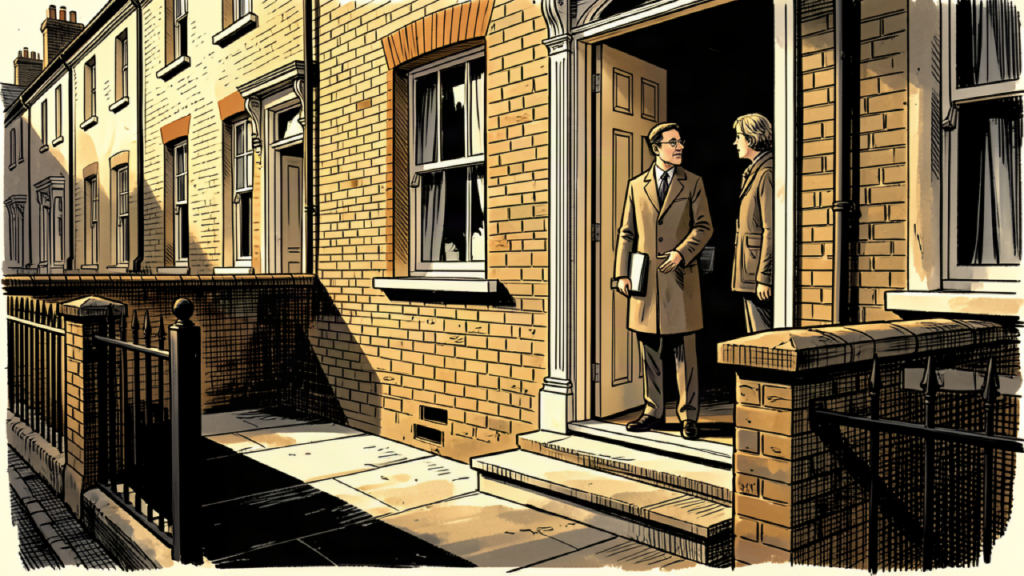
A council officer at a front door delivering a decision in person: local authority training in conflict management and lone working

How We Work With You

Four steps, whether you are one team or a national programme. We read what you already hold, train against it, embed it in supervision, then measure what changed.

01

Understand
We start with your incident reports, complaints and policies, then sit in on a shift or a team meeting. What we find usually sits in the first minute.

Listen

02

Illustration of a person raising a finger while speaking
Scenarios come from your setting: the counter, the ward, the doorstep, the cell. Staff rehearse the words until they arrive without being searched for.

Design

03

Illustration of a person presenting plans pinned to a board
Your supervisors carry it after we leave, with short briefings, a shared way of describing the response, and refreshers that fit the rota.

Train

04

Illustration of a person riding a rocket upwards through clouds
We return to the evidence we started with, and tell you what changed in the record, in supervision, and in what staff now do differently.

Support

Man in headphones writing at a desk beside a laptop in an office

Tell us which sector you work in

Recent Articles

download

Local authority training: what council teams taught us

What council teams taught us about conflict management and lone working, and what changes when training is built from the visits officers actually make....
download

How should training impact be measured beyond satisfaction scores?

Satisfaction scores tell you learners were happy. They do not tell you whether practice changed. What to measure instead....
download

Best conflict resolution training for ambulance trusts

What to compare when an ambulance trust buys conflict resolution training: syllabus, scenario realism, and how competence is evidenced....

Resource Download

Norem ipsum dolor sit amet, consectetur adipiscing elit. Nunc vulputate libero et velit interdum, ac aliquet odio mattis. Class aptent taciti sociosqu ad litora torquent per conubia nostra, per inceptos himenaeos.

download

Name of Article Here Possibly Over a Couple of Lines

Get in Touch

Norem ipsum dolor sit amet, consectetur adipiscing elit. Nunc vulputate libero et velit interdum, ac aliquet odio mattis. Class aptent taciti sociosqu ad litora torquent per conubia nostra, per inceptos himenaeos.

Illustration of a kneeling person supporting a seated person

Book in a 1-2-1 Meeting

Find Your Solution

What do you need? Use our simple tool to find the most relevant training and support options for your role, sector and challenges.