
Lone Worker Training and Personal Safety
Essential personal safety and risk-management skills for high-contact community roles
Risk Aware
Safe Habits
Decisive
Sustained Confidence
Key issues for your team

01
Safety
Reduce the risk of harm through proactive awareness and prevention skills
02
Confidence
Feel prepared to handle difficult situations with calm, decisive actions
03
Compliance
Meet your duty of care and legal obligations for lone working safety
Why Professionals Choose Dynamis
Expert Led
Delivered by trainers with frontline lone working and safety expertise
Scenario-Based
Learn through realistic community-based risk and conflict scenarios
Legally Sound
All techniques reviewed for compliance with law and best practice
Skills That Stick
Reinforced learning ensures skills are remembered and applied
Course Outline & Goals
Develop the awareness, judgement, and practical skills needed to prevent, manage, and survive high-risk lone working situations
Course Aim
To equip staff with essential knowledge, understanding, and practical skills to maintain personal safety while lone working in community settings, identifying and managing potential risks effectively.
Learning Outcomes
By the end of this one-day Lone Working and Personal Safety training course, participants will:
Know:
- The context of Lone Worker Personal Safety in their specific work environment
- Health and Safety implications and legal requirements related to Lone Working
- Safe Systems of Work principles for their team
- The Kaplan Wheeler model of Crisis Behaviour and the 7 phases of crisis
- Warning signs and pre-incident indicators for potential aggression or violence
Understand:
- Decision-making processes under pressure and fear management techniques
- How to effectively use Lone Worker Personal Safety Alert Devices and communication systems
- How to minimize confrontation risk by detecting pre-incident indicators
- The importance of information sharing between teams and services
- The ethical considerations in risk assessment and intervention
- The value of trusting intuition in identifying potentially dangerous situations
Be able to do:
- Recognize pre-assault cues for escalating aggression
- Use body language appropriately to enhance personal safety
- Apply principles of time, distance, and opportunity for exit/escape planning
- Implement effective non-escalation and de-escalation techniques
- Articulate the rationale for different interventions and their legal implications
Learning Methodologies
The course utilizes the SCENA methodology – a scenario-driven training approach that ensures content is directly relevant to participants’ day-to-day work. Training combines classroom discussion, video case studies, practical exercises, and physical skills practice in a safe learning environment.
Tailoring and Relevance
The training content is specifically designed and tailored to the unique roles, tasks, and challenges faced by lone workers within their organisation, using relevant case studies and scenarios to enhance learning transfer.
Legal and Medical Review
All physical intervention techniques taught are tactically effective, legally correct, and medically safe, designed to withstand scrutiny in legal proceedings.
Trainer Qualifications
Delivered by experienced, certified trainers with extensive background in lone worker safety and conflict management.
Resources Provided
Participants receive comprehensive reference materials, access to ongoing support resources, and guidance on implementing learning in the workplace.
Monitoring and Evaluation
Course effectiveness is measured through participant feedback, knowledge assessments, and practical skills demonstration throughout the day.
Course Title
Lone Working and Personal Safety: Essential Skills for High-Risk Community Work
Course Aim
To equip frontline professionals who work alone in the community with comprehensive knowledge, understanding, and practical skills to assess risks, prevent conflict, manage challenging situations, and protect themselves effectively while maintaining professional service delivery.
Learning Outcomes
By the end of this two-day intensive course, participants will:
Know:
- The legal framework surrounding personal safety, including duty of care obligations, reasonable force principles, and self-defense law
- The Kaplan and Wheeler timeline of crisis development and appropriate interventions at each stage
- Pre-incident indicators (PINs) that signal escalating risk and potential for violence
- Information-sharing protocols and their importance in maintaining staff safety across services
- Different types of aggressive behaviors and their underlying triggers, particularly in vulnerable populations
- The role and proper use of personal safety devices and alert systems (e.g., Skyguard, smartphone SOS functions)
- Key risk factors associated with lone working in community settings
- The psychological impact of threatening situations and how stress affects decision-making
Understand:
- How intuition functions as an early warning system and its role in maintaining personal safety
- The importance of tracking systems and check-in protocols for lone workers
- How denial and complacency can undermine safety awareness and intuitive responses
- The difference between general anxiety and genuine fear signals, and how to distinguish between them
- The psychology of victimization and how predatory individuals select and test potential targets
- The ethics of using proportionate physical intervention as a last resort for self-protection
- How trauma history may influence client behavior and appropriate staff responses
- The impact of environmental factors on personal safety and risk assessment
Be able to:
- Recognize pre-assault cues and respond appropriately to prevent escalation
- Implement effective verbal and non-verbal de-escalation techniques to defuse potential conflict
- Create and maintain appropriate professional boundaries in challenging situations
- Demonstrate clear, assertive communication when setting limits or exiting unsafe situations
- Perform practical personal safety techniques, including:
- Creating distance and using barriers effectively
- Defensive positioning and stance
- Safe exit strategies from confined spaces
- Basic breakaway techniques from common grabs and holds
- Escape methods that minimize harm to all parties
- Conduct dynamic risk assessments before and during lone working situations
- Use personal safety devices correctly and effectively under pressure
- Apply post-incident procedures, including reporting, debriefing, and accessing support
- Develop personalized safety plans for specific working contexts
Course Duration
Two full days (typically 9:30 AM to 4:30 PM each day) with appropriate breaks to ensure optimal learning and practice of physical skills.
Target Audience
Frontline professionals who work alone with potentially challenging individuals, including housing managers, welfare officers, community health workers, social workers, outreach staff, and others who visit clients in their homes or community settings.
Learning Methodologies
- Scenario-based learning using realistic case studies (e.g., Sarah Merritt, Hannah Foster, Ashleigh Ewing)
- Practical role-play exercises simulating real-world encounters
- Video analysis of actual incidents to identify warning signs and intervention points
- Partner-based practice of physical breakaway techniques with graduated resistance
- Small group discussions and problem-solving activities
- Personal reflection and experience sharing in a supportive environment
- Simulated practice using personal safety alert devices
- Dynamic risk assessment exercises
Tailoring and Relevance
The training content is specifically designed and tailored to address the unique challenges faced by professionals who work with vulnerable populations in community settings. Scenarios and examples reflect the actual situations participants encounter, including managing unpredictable behavior, visiting unfamiliar locations, dealing with multiple people in a residence, and responding to trauma-affected individuals. Cultural sensitivities and specific client group characteristics (such as asylum seekers’ triggers and concerns) are incorporated throughout the training.
Legal and Medical Review
All physical techniques taught have been reviewed for medical safety and legal compliance. The training emphasizes proportionate response within the legal framework of reasonable force and self-defense, while prioritizing prevention and de-escalation. Physical skills are designed to be effective while minimizing risk of injury to all parties.
Trainer Qualifications and Credibility
Courses are delivered by experienced Dynamis trainers who possess:
- Extensive practical experience in high-risk environments
- Professional qualifications in conflict management and physical intervention
- Adult education certifications and proven instructional skills
- Up-to-date knowledge of legal and safety standards for lone working
- Real-world expertise in managing and surviving threatening situations
Resources Provided
- Comprehensive participant workbook with key concepts, checklists, and resources
- Personal safety planning templates and risk assessment tools
- Reference cards for quick access to de-escalation techniques and breakaway methods
- Access to digital resources for continued learning and skills reinforcement
- Information on how to access ongoing support and advice
Monitoring and Evaluation Plan
The program’s effectiveness is measured through:
- Pre and post-course confidence and knowledge assessments
- Practical skills evaluation during scenario-based exercises
- Follow-up data collection on implementation of safety protocols
- Incident reduction metrics and reporting quality improvement
- Participant feedback on relevance and applicability to daily work
Reinforcement and Ongoing Learning
To ensure skills are maintained and complacency is avoided:
- Refresher modules are available for digital review
- Regular practice recommendations are provided
- Team-based drills are suggested for implementation at staff meetings
- Follow-up support from trainers for specific safety concerns
- Update communications on emerging threats and countermeasures
This course empowers participants with the confidence, judgment, and practical skills needed to stay safe while serving vulnerable populations in challenging community settings, ensuring they can fulfill their professional responsibilities while effectively managing personal risk.
Course Title
Crisis Management: Supporting Vulnerable and Volatile Individuals with Dignity and Safety
Course Aim
To equip professionals with the knowledge, understanding, and practical skills needed to safely manage crisis situations involving vulnerable or volatile individuals, using trauma-informed approaches that maintain dignity while ensuring safety for all involved.
Learning Outcomes
By the end of this course, participants will:
Know:
- The Kaplan Wheeler Model of the seven phases of crisis behavior
- The SCARF Model for understanding social triggers
- Legal frameworks related to duty of care and personal safety
- Risk factors and warning signs of escalating behavior
- Trauma-informed approaches to crisis intervention
- The core principle that “all people respond to being treated with dignity by showing them respect”
- The five ‘special needs strategies’ for individuals with cognitive difficulties (temporary or long-term)
Understand:
- How to recognize early signs of escalation in vulnerable or volatile individuals
- The impact of proxemics and body positioning in crisis situations
- The importance of team-based responses to high-risk behaviors
- The balance between providing care and ensuring safety
- The ethical considerations when working with vulnerable individuals
- The neurobiological basis of crisis behaviors
- How personal triggers can impact professional responses
- The difference between emergencies and planned interventions
Be able to do:
- Apply effective pre-planned responses to crisis situations
- Demonstrate appropriate verbal tactics and behaviors for encounters with distressed individuals
- Execute dynamic risk assessments in real-time scenarios
- Implement non-triggering communication strategies
- Apply trauma-informed de-escalation techniques
- Maintain emotional equilibrium under pressure
- Correctly position themselves to maximize safety when approaching volatile individuals
- Apply appropriate physical protective interventions as a last resort (if included in training format)
- Document incidents appropriately for legal and organizational requirements
Course Duration
- Full-day (6 hours): Comprehensive crisis management skills
- Optional additional day for physical protective interventions (where appropriate)
- Blended learning options with online pre-learning (90 minutes) and in-person practice
Target Audience
- Healthcare professionals
- Social care workers
- Educational staff
- Security personnel
- Public-facing workers who encounter vulnerable or volatile individuals
Learning Methodologies
- Scenario-driven training using the SCENA approach
- Practical role-playing of common crisis situations
- Video case studies and analysis
- Small group problem-solving activities
- Demonstration and supervised practice
Tailoring and Relevance
Training is specifically designed based on a thorough Training Needs Analysis to address your organization’s unique environment and the specific vulnerable populations you serve.
Legal and Medical Review
All training content is regularly reviewed and updated to align with current legislation and best practices, meeting the high standards required by the Institute of Conflict Management accreditation and SWC (Safety Without Compromise) endorsement.
Trainer Qualifications and Credibility
Delivered by experienced professionals with expertise in crisis management, trauma-informed care, and conflict resolution, certified through the Institute of Conflict Management (ICM).
Resources Provided
Participants receive comprehensive reference materials and access to ongoing support resources for implementing learned skills in the workplace.
Monitoring and Evaluation Plan
Course effectiveness is measured through practical skill assessment during training and follow-up evaluation of implementation in the workplace.
Reinforcement and Ongoing Learning
The course includes strategies for maintaining skills through practice and reflection, with optional follow-up support to ensure sustained application of techniques.
This course is built on the foundation of treating every person with dignity and respect, even in crisis situations. The scenario-based approach ensures that participants develop practical skills they can immediately apply in their work environments, resulting in increased confidence, reduced incidents, and better outcomes for both staff and the vulnerable individuals in their care.
Always-on support including CPD, micro-learning modules, and practical resources that keep your team confident, compliant, and ready.
From quick refreshers to deep-dive learning, our ongoing resources ensure skills stay sharp and aligned with your organisation’s safety and culture goals.
Proven Impact
Increase in confidence
Report fewer incidents
Legal compliance met
“This training gave me the confidence to work alone without feeling vulnerable — I now know exactly how to assess and manage risk.”
A. Singh, NHS
Our Approach
From realistic scenarios to practical drills, we ensure you leave with the skills and confidence to protect yourself in the field.


How It Works

1

2

3
The 9 Attitudes are back in the UK
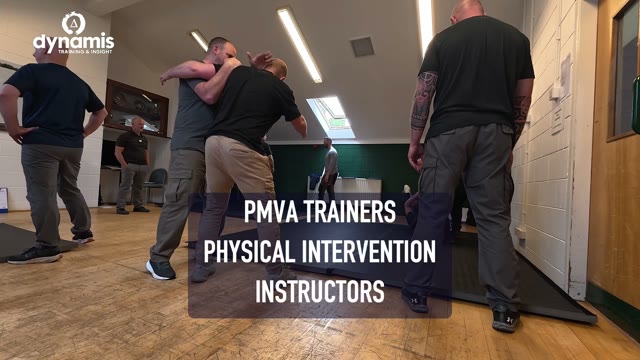
Lone worker training, and what it actually changes
Lone worker training teaches people who work without close supervision how to judge risk before a visit, notice the moment a situation starts to turn, and leave while leaving is still easy. It covers the law and your duty of care, the habits that keep people safe on a doorstep, and the breakaway skills to use if a situation closes in.
Dynamis has taught this for thirty years, mostly to housing officers, social workers, community nurses, care staff and enforcement teams who visit people at home.
Starting from £99 per learner for most teams.
In-house for your team, or on an open course. One day or two days.
Course facts
| Duration | One day or two days |
| Format | In-house at your site, or an open course |
| Group size | Up to 12 per trainer |
| Delivery | Face-to-face across the UK, and as an interactive online course |
| Certificate | CPD certificate for every learner |
| Content | Risk assessment, dynamic risk assessment, information sharing, de-escalation, breakaway, post-incident reporting |
Who it is for
Housing officers and tenancy teams. Social workers and family support staff. Community and district nurses. Care workers and live-in carers. Environmental health, benefits, enforcement and licensing officers. Utility engineers, surveyors and retail staff who work alone.
Hear it from the people who teach it
Risk assessment of the visit
What to check before the door opens, and why the room matters as much as the person.
Supervision and monitoring
Check-in systems, what makes them work, and how they fail.
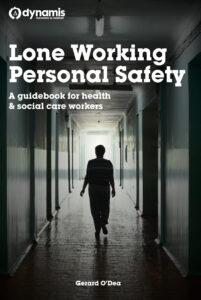
The book behind the course
Lone Working Personal Safety: A Guidebook for Health and Social Care Workers is written by Gerard O'Dea, Dynamis principal trainer, and published on Amazon in Kindle and paperback. The course teaches the same material, in a room, with a trainer and a partner to practise with.
Frequently Asked Questions
What is lone working training?
It is training for people who work alone, without close or direct supervision, and who may face aggression, risk of harm or an emergency with no one nearby. It covers risk assessment, planning a visit, spotting warning signs, de-escalation, breakaway techniques and what to do after an incident.
What topics should good lone worker training cover?
Risk assessment, including the dynamic risk assessment you do at the door. Information sharing between teams. Personal safety devices and check-in systems. Early warning signs of aggression. De-escalation and exit planning. Breakaway techniques. Post-incident reporting and support.
Who counts as a lone worker?
The Health and Safety Executive defines a lone worker as someone who works by themselves without close or direct supervision. That includes people in fixed premises, people who work from home, and people who travel to other sites or into the community.
Is lone working legal?
Yes. Working alone is not against the law, and there is no separate set of lone working regulations. Your employer’s duties under the Health and Safety at Work etc. Act 1974 and the Management of Health and Safety at Work Regulations 1999 apply in full, and that starts with a risk assessment that covers lone work.
Is a lone working policy a legal requirement?
There is no single statute that says you must have a lone working policy. You must assess the risks, and if you employ five or more people you must record significant findings in writing. In practice that recorded set of controls is what everyone calls the policy, and inspectors ask for it.
What should a lone working policy include?
Who is covered. How risks are assessed before a visit and again at the door. Check-in and escalation arrangements, including what happens when a check-in is missed. Information sharing with other agencies. Equipment and alarms. Reporting, investigation and support after an incident. Review dates.
How often should lone worker training be refreshed?
There is no fixed legal interval. The HSE expects training to be refreshed periodically and whenever the risk changes. Most of our clients refresh every 12 to 24 months, and sooner where the role or the client group has changed.
Do lone workers need first aid training?
It depends on the risk assessment. Where a lone worker could be injured and no one else is nearby, first aid provision has to be considered as part of the controls. It is not automatic, but it is commonly required for community and care roles.
Is working from home classed as lone working?
It can be. If someone works at home without close or direct supervision, the same duties apply, though the risks are different from a home visit. The assessment should reflect the actual setting rather than treating lone working as one thing.
What is a lone worker buddy system, and does it work?
A buddy system pairs workers so each knows where the other is and when to raise an alarm. It works when the check-in is timed, logged, and has a defined escalation for a missed one. It fails when it depends on someone remembering to call.
Safety Guide
Download our lone working risk checklist and safety planning template