
Hospital Violence Reduction and SCARF Triggers
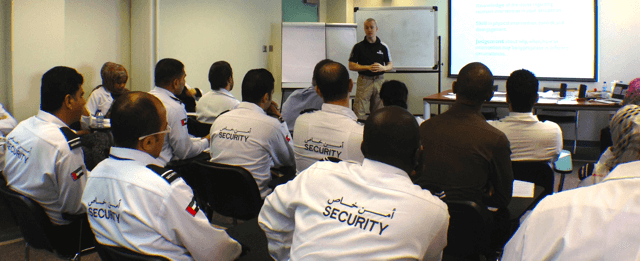
Hospital Violence Triggers Hospital Violence Triggers for Conflict or Crisis In a recent MORI opinion poll patients indicated that they want to feel a close presence of clinical staff and to receive better communication from staff. “Information is crucial – lack of information contributes to anxiety and discomfort of patients and carers who are […]
Case Study: Mental Health Unit Restraint Reduction Training
Mental Health Unit training in Violence Reduction and Restraint Minimisation Mental Health Unit Case: an ‘open’ psychiatric unit with separate male and female wards, delivering services in a highly multi-cultural/multi-ethnic/multi-national environment. Who engaged Dynamis: the nurse-manager in charge of the psychiatric unit initially wanted his own staff trained, and ultimately also included members of the emergency […]
Throwback Thursday: Restraint Chair in Oman
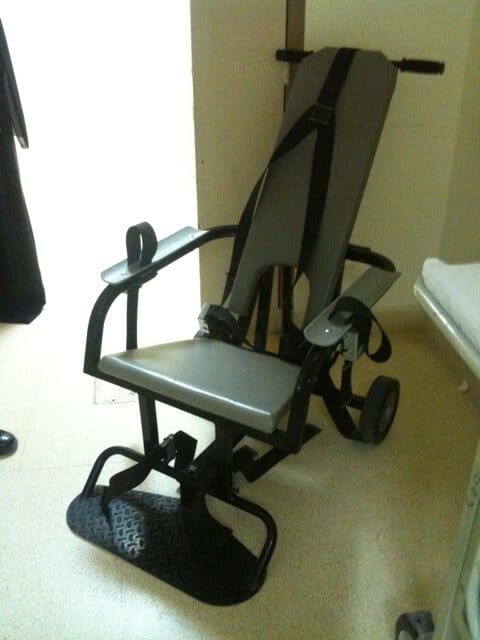
During a trip to the middle east back in 2010 to visit with a number of psychiatric institutions and hospitals to give advice and training, I recall being shown the ‘restraint chair’ in the picture at one of the units I visited. I remember being quite surprised at the sight. Even though I was aware of […]
Hospital Violence Reduction – Ambassador Programmes
Hospital Violence Programmes and the provision of Information to provide Clarity On entering A&E people want more information on the following: initial expected waiting times; changes to expected waiting times; reasons for changes (for example, intake of serious road traffic accidents); alternatives to A&E (where they can get treatment instead); their condition and priority in […]
Hospital Violence Reduction – Conflict Management in the ED
The common complaint at Emergency Departments the world over is that there is overcrowding and long uncertain waiting periods. As we have seen, this is compounded by the high expectations of some patients that they will be seen immediately and given the highest priority. Much of the challenging behaviour presented by relatives and patients […]
Hospital Violence Management – Seclusion
Seclusion rooms are used in order to reduce the need for physical and mechanical restraints over prolonged periods of time. They can sometimes be used as a short-term measure to keep the patient safe while medication takes effect. It is a sometimes controversial measure because of its significant potential for abuse or mis-use. Seclusion is […]
Restraint Training: The Biggest Mistake in Control Tactics
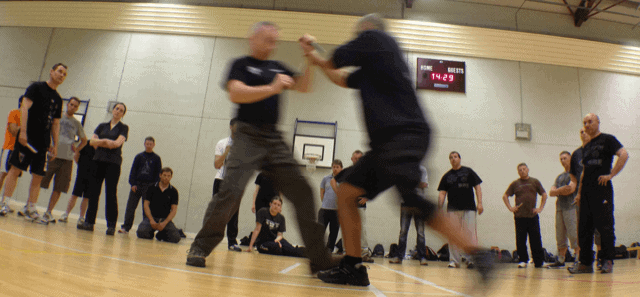
Coach Tony Torres says that the biggest problem in Control Tactics is that people try to exert Control too soon in the confrontation timeline. In our 9 attitudes methodology from Functional Edge System, we understand that the key phases of any physical confrontation are: 1) Survival (staying conscious, upright and ‘with it’) 2) Reversal (slowing or stopping […]
Hospital Violence Reduction – Emergency Department Acute Mental Health Area
An acute mental health area in the ED? Patients suffering from an acute psychological or psychiatric crisis have unique and often complex requirements. An Emergency Department (ED) should have adequate facilities for the reception, assessment, stabilisation and initial treatment of patients presenting with acute mental health problems. It is not intended that this should reproduce […]
Hospital Violence Management – Psychiatric Patients in the Emergency Department
Patients with acute psychiatric symptoms often present at the Emergency Department triage. “Psych patients” were referred to as one of the main protagonists of violent behaviour in the Emergency Department during our surveys. Because of their unpredictable behaviour – often lashing out without displaying obvious signs of distress or frustration – these patients are […]
Restraint Training: Complex Motor Skills in Control scenarios are just a Pain!
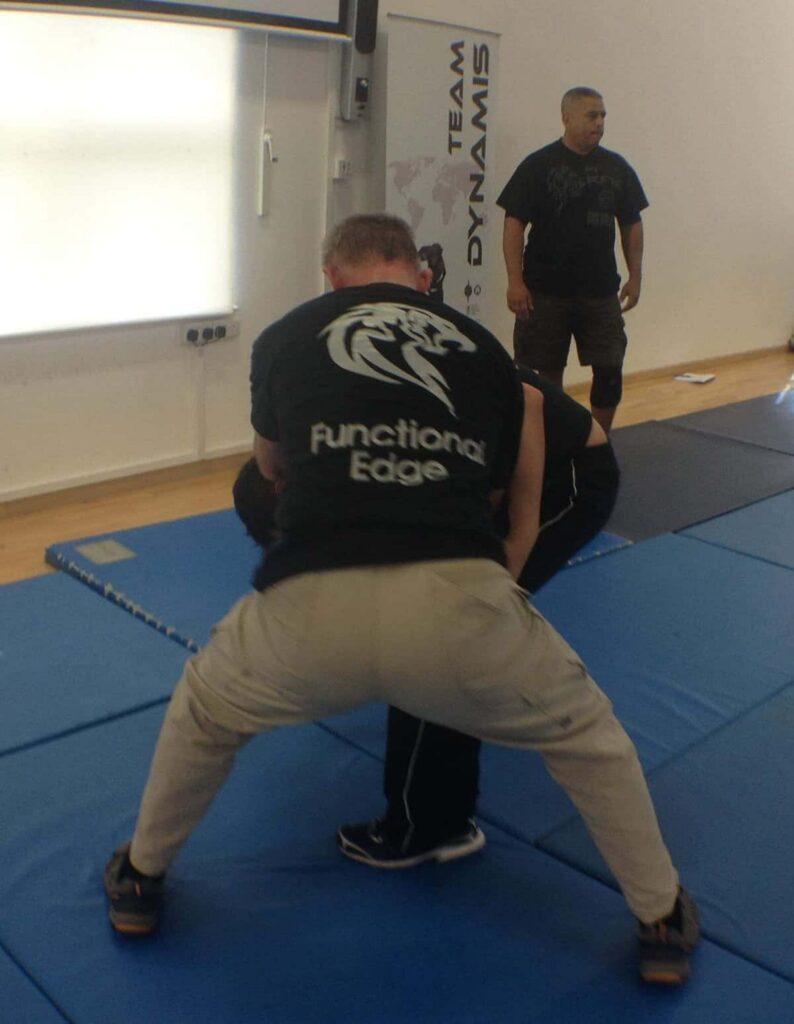
During our 2015 Advanced Control Tactics instructor-level training certification, Coach Tony Torres explained some of his experience and functional, pragmatic ideas in relation to why pain-compliance holds should not be used during the ‘Control’ phase of an incident. We define the ‘Control Phase’ as the early-stage and often rapidly-unfolding physical interaction between subject and intervening staff. It […]