
Conflict training for GP surgeries and pharmacies: supporting the people at the counter

Counter staff in GP surgeries and pharmacies absorb frustration about delays they did not cause. The post says generic courses fall short, sets out pressures specific to each setting, and suggests a first step.
A stalker at work what can we do?
An employee was stalked and her car vandalised, and the perpetrator later reached her workplace. The post covers what the person should know, the training that helps and how organisations can support them.
Managing Violent Behaviour in Fostering – Feedback 2018

Feedback from a 2018 Dynamis programme on managing violent behaviour, delivered to foster carers and the professionals who support them. The post places the course alongside work with schools and residential care settings.
Lone Worker Course “benefitted my ability to face certain situations”
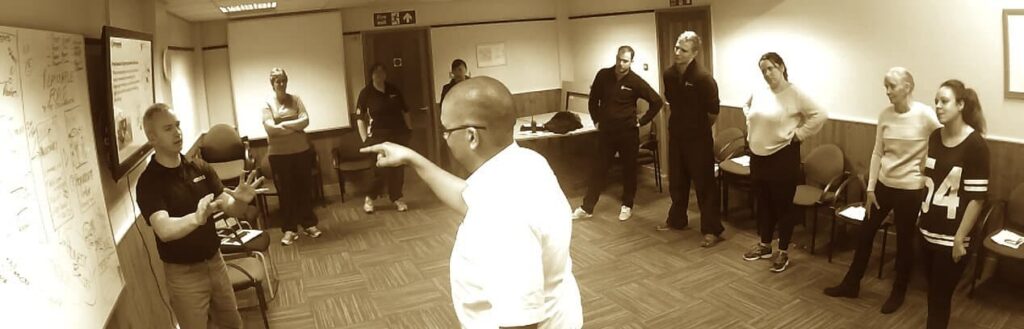
A Peterborough City Council professional calls the two-day lone worker course the best training she has had. The post covers employers’ duties, including assessing risk, involving workers and providing training and supervision.
Creative approaches to understanding behaviour in Dementia Care
Dementia courses often show the clip discussed here, where imagination and a willingness to see the situation from the person’s point of view avoid distress and restraint when escorting people with dementia.
Lone Social Worker Abducted and Abused
Three teenagers were jailed for five years in total after abducting and attacking a 23-year-old trainee social worker during a home visit in Ayrshire. The post asks whether lone worker training keeps pace.
Restraint Training: Control Phase and Restraint Phase Differences
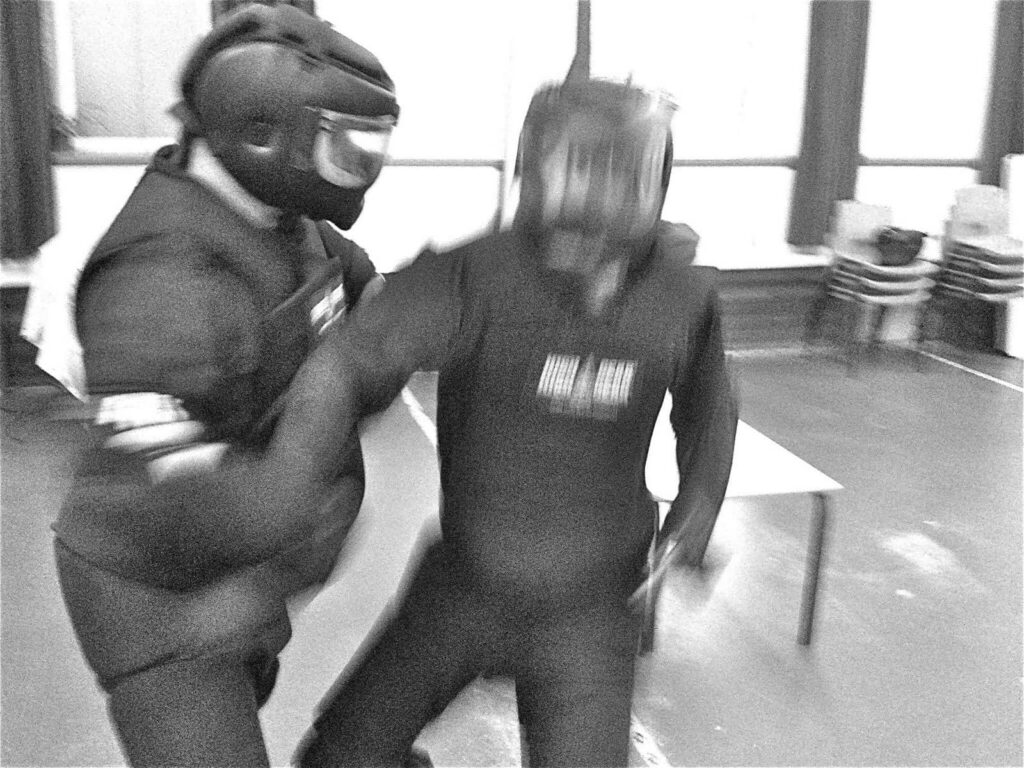
Evidence given at the Sean Rigg inquiry separated the control phase of an incident, unstructured, frenetic and dangerous, from the restraint phase. The post explains why chasing the hold too early raises risk.
Restraint Training: Floor-Based Restraint Controversy
A mental health charity called for prone restraint to be banned. The post argues restraint is a tool, like a wrench, judged by how it is used, and cites ACPO’s view on floor outcomes.
Risks of Lone Working
An RCN survey of 1,500 community nurses found most employers did not know where staff were, and many visits went ahead without a risk assessment. It asks what such safety systems are worth.
Case Study: Learning Disability Respite Service
A charity running respite services for children with disabilities asked Dynamis to train staff after a senior carer was assaulted. It follows the training needs analysis and the one-day Physical Interventions Awareness workshop.