
Resolve Conflict: Beginnings and Endings in NHS Conflict Resolution
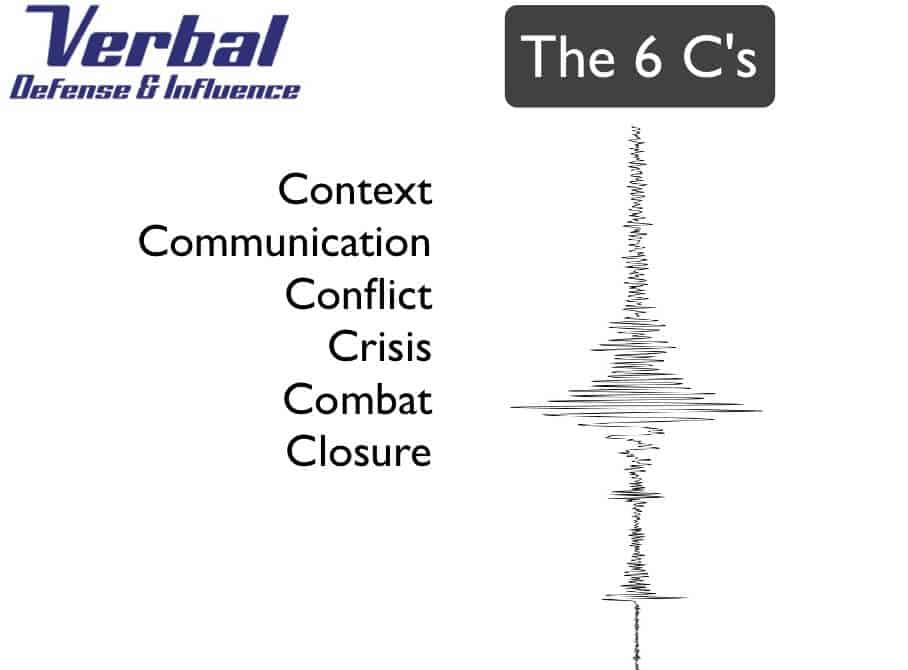
Emergency department teams are shown how opening contact, apologising for long waits, distance and positioning, tactical listening through clarifying questions, and closure help resolve conflict, so people leave better than they arrived.
Conflict Resolution across Cultures
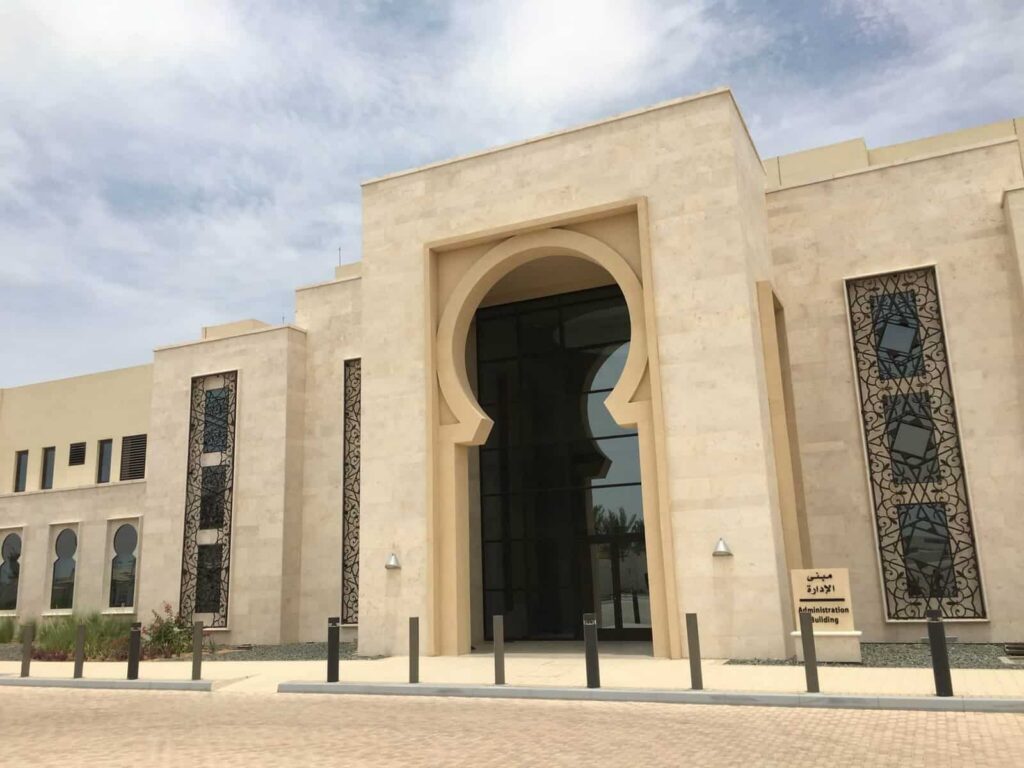
Courses in the UAE and Qatar inform this post on why Arab communication styles can look confrontational to Western eyes. Five themes follow, covering honour, family, hospitality, seniority and refusing directly.
Healthcare Communication and Language Types in Conflict Resolution

An emergency department training account built around three types of physician language, content, process and emotional. It describes research linking weaker emotional communication to more lawsuits, and argues for empathetic, connecting language with patients.
Empathy in Conflict Resolution : The Paradox for NHS Teams
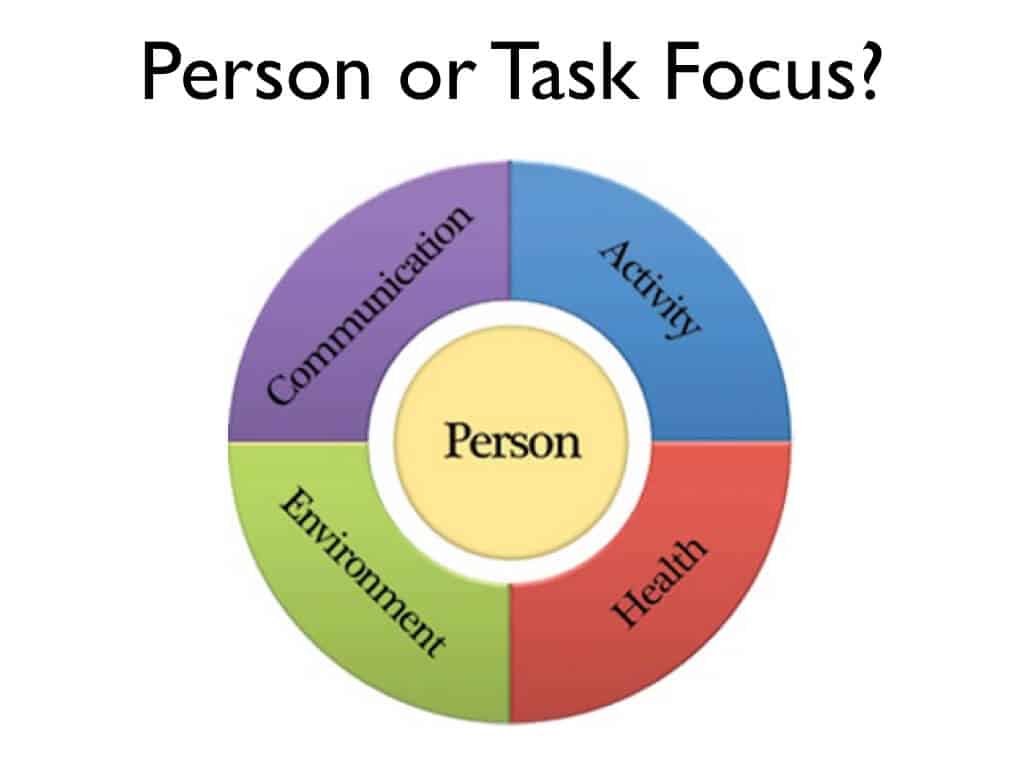
Emergency department staff learn to switch off emotionally to keep working, which can leave a hard shell that patients read as coldness. The post explains that paradox and the graphic-novel exercises used in training.
Compassionate Connection: a key ingredient for NHS Conflict Resolution
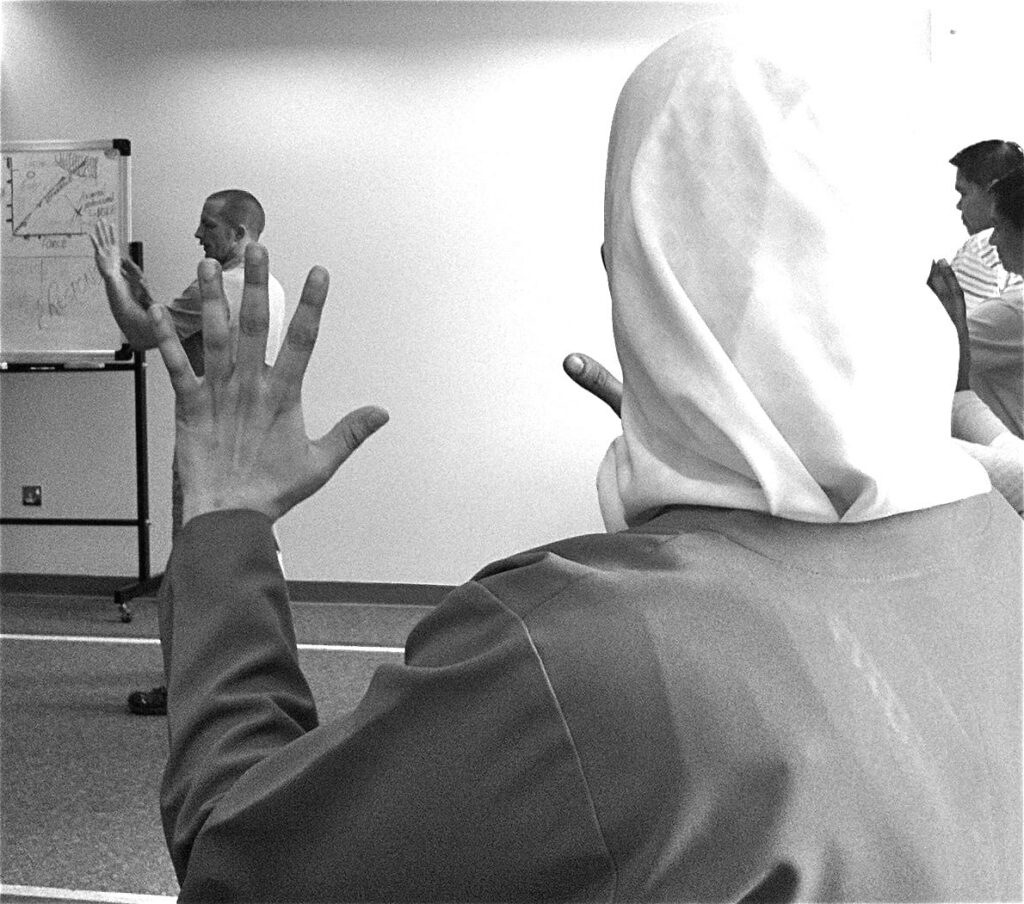
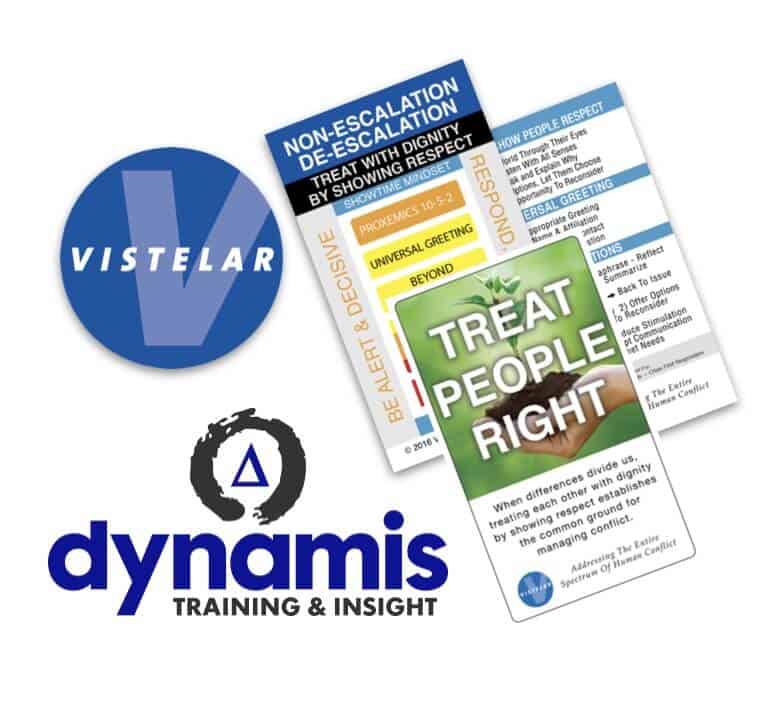
On creating compassionate connection with patients, the post recommends the Showtime Mindset, a routine of posture, breathing, body language and self-coaching before a difficult encounter, plus naming and reframing personal triggers.
Emergency Department Conflict Resolution
The chain of encounters runs from arrival and triage to the bays, and this piece on emergency department conflict sets out triggers, waiting room pressures and how managing expectations can prevent conflict.
Managing aggressive patients in the UAE

Reflections from a training trip to the UAE, including school workshops on demand avoidance, attention needing and runners, and an emergency doctor whom colleagues call for angry, unpredictable patients because she can de-escalate them.