
Training Lone Workers: Who should go on the visit?
A course clip about a lone worker sent to visit someone with a violent history, followed by HSE guidance on involving workers, controlling risks, supervision and knowing when a visit needs two people.
Safe Holding Training – Manage Distress – Scotland
A video in which Gerard O’Dea answers a question about how Scottish care homes should respond to distressed or dangerous behaviour in older people, relating safe holding practice to existing guidance and statute.
Lone Social Worker Abducted and Abused
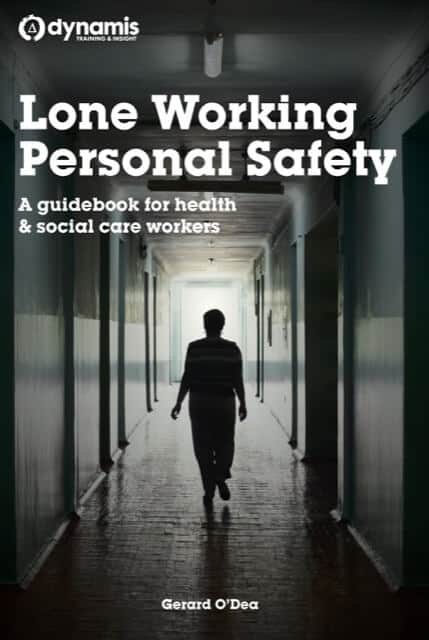
Three teenagers were jailed for five years in total after abducting and attacking a 23-year-old trainee social worker during a home visit in Ayrshire. The post asks whether lone worker training keeps pace.
Near Misses and Violence Risk Management in Restraint Training

Near misses are defined and illustrated with examples from training courses and inspections, and the post quotes HSE guidance that recording non-reportable near misses can reveal patterns and weaknesses in procedures.
Personal Safety Tips for Lone Workers (or anyone)
Twelve personal safety tips drawn from the trainer certification manual, covering body language, intuition, staying visible, altering a perpetrator’s calculation, and the psychology of how violent incidents unfold.
Risks of Lone Working
An RCN survey of 1,500 community nurses found most employers did not know where staff were, and many visits went ahead without a risk assessment. It asks what such safety systems are worth.
Case Study: Foster Carers Training
Foster carers asked for clarity on restraint, tantrums, self-harm and children running away. The case study describes how Dynamis reviewed Children Act 1989 guidance and built training for people without social care qualifications.
Hospital Violence Reduction and SCARF Triggers
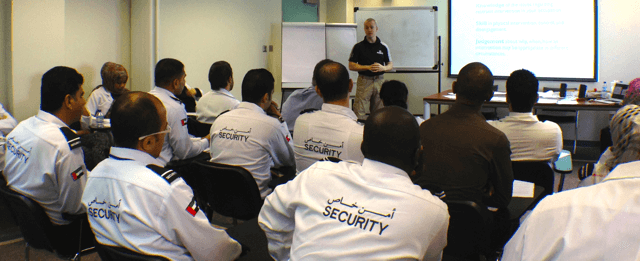
Aggression in emergency departments often comes from the environment rather than the patient. This post looks at information gaps at busy times, a three word triage exchange, and the SCARF triggers behind conflict.
Throwback Thursday: Restraint Chair in Oman
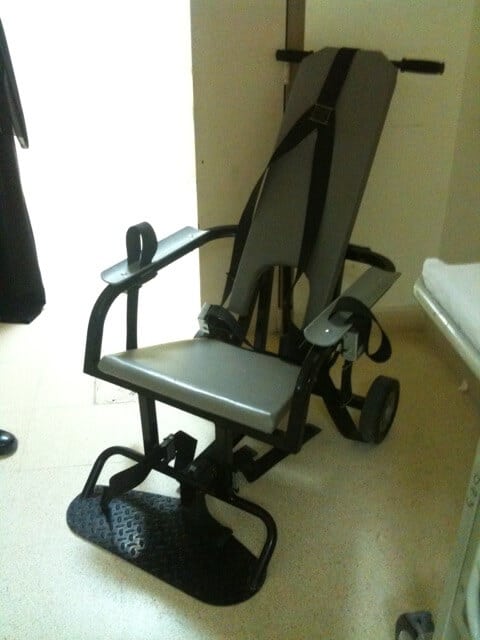
On a 2010 visit to psychiatric units in the Middle East, the author was shown a restraint chair and describes families insisting shackles stay on. He contrasts UK manual restraint with practice elsewhere.
Hospital Violence Reduction – Conflict Management in the ED
Overcrowding and long waits drive much of the conflict in emergency departments. The post links challenging behaviour to needs for status, certainty, autonomy, relatedness and fairness, and offers five communication maxims as the response.