
Empathy in Conflict Resolution : The Paradox for NHS Teams
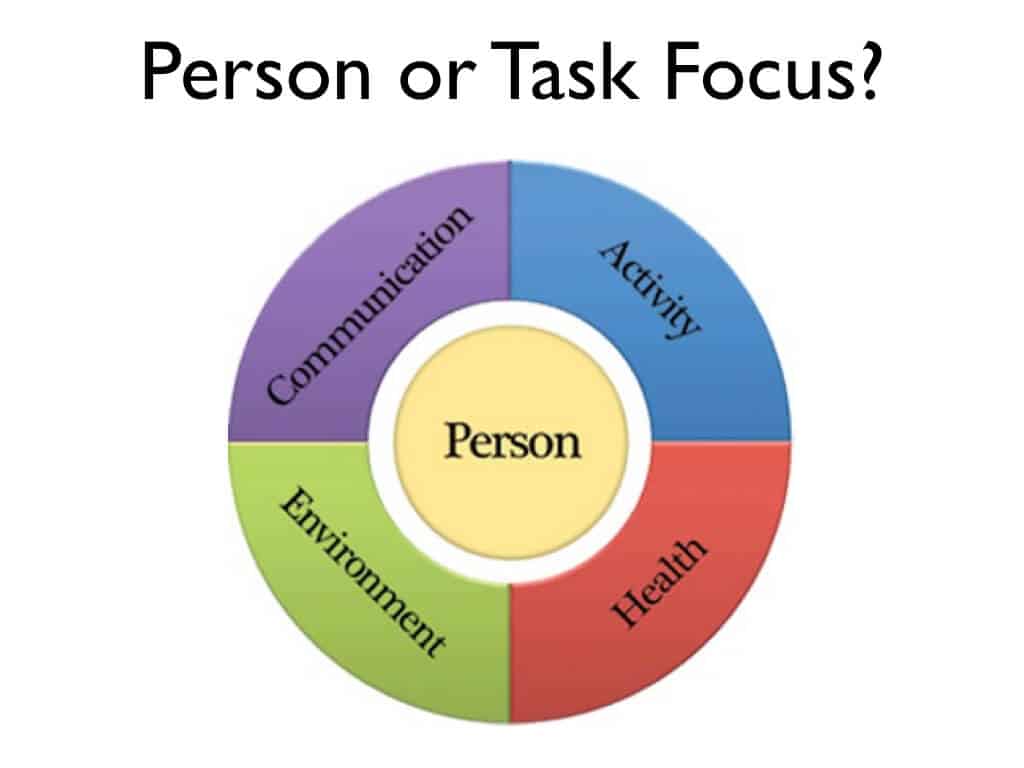
Empathy in Conflict Resolution is so important that we really wanted healthcare teams to have an opportunity to explore their relationship with empathic listening and communication. One of the issues we know about in the emergency department is that in order to operate functionally and to be efficient staff in an emergency department have to […]
Compassionate Connection: a key ingredient for NHS Conflict Resolution
How can we create the Compassionate Connection if we can not shake of the stresses of what has come before, as we walk towards what is to come next? Research note: We can improve systems, improve the registration process, better explain tests and procedures, reduce waiting times BUT IT WILL NOT improve overall satisfaction as […]
Emergency Department Conflict Resolution
Emergency Department Conflict Resolution is one of our most treasured and favourite courses to teach! Let’s discuss some key issues about how patients come into conflict and how caregivers, nurses and doctors can prevent or manage conflict in the A&E or ED setting. What is the Chain of Encounters in the ED? One of the […]
Managing aggressive patients in the UAE

Dynamis Director of Training Gerard O’Dea recently undertook our first post-lockdowns trip to the UAE in order to facilitate workshops and training for our hospital and school clients there. It was so good to be back with our colleagues and customer Here he shares some of the reflections and experiences from the trip. I took […]
Restraint Reduction Outcomes

Restraint Reduction OutcomesThe new trainer team for this service began rolling out their own programme (a four-day, full-spectrum course for their LD/MH setting) to their staff in October. By December, they had seen dramatic restraint reduction outcomes in key indicators such as time-in-restraint, floor-based-restraints and number-of-restraints for their high-frequency service users. “The amount of […]
Breakaway training in care

Breakaway training in care – an example of positive outcomes At one point early in the training programme it becomes important to look at physical self-protection training, especially if the service data shows that some service users, when distressed, target staff with violence by grabbing, hitting or throwing objects at them. In the past, the […]
Becoming an effective PMVA Trainer
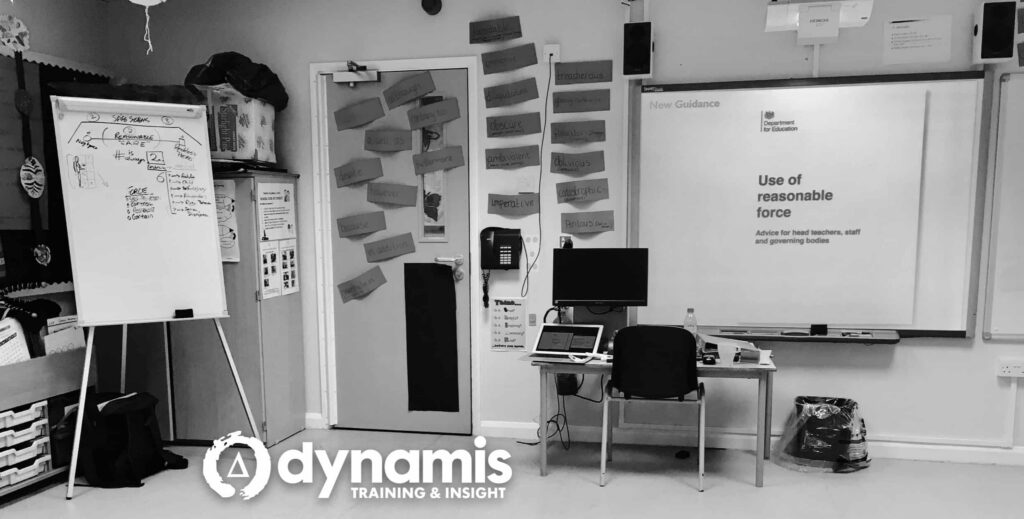
Probably the most important decision a company makes when it wants to change the culture of their workplace is this: Which personalities will lead the training effort? In this case, the organisation chose three of their most senior carers, who had all been in the service for long enough to know the common flashpoints, […]
social contract in restraint reduction

The Social Contract in Restraint Reduction What happens when people can’t predict with any certainty how an organisation will respond to their transgression of an agreement? If a social contract is broken, and the consequences could slide on a scale from ‘nothing’ to ‘serious’ – how many people would take the chance to break the contract? […]
Training needs analysis for restraint reduction
This is an excerpt from our 18-page Case-Study about how we achieved significant Restraint Reduction outcomes with this training programme. To read the case study and learn about the project, please visit our Restraint Reduction page. continued… In line with our accredited quality assurance process with the Institute for Conflict Management, and with the cooperation of […]
A new Train the Trainer Approach our clients love, called SCENA

SCENA is a scenario-driven train-the-trainer approach, which is based on evidence and research about learning. It gives trainers a format for delivering conflict and physical interventions training which is effective, engaging and efficient.