
NHS Trust project: what changed when the team trained for the ‘first minute’

A London trust booked two days for a specialist rehabilitation ward where frailty, dementia and delirium meet physical risk. The post covers the first-minute approach taught, what changed, and the limits of training alone.
Restraint Reduction Outcomes

A trainer team rolled out its four-day course across a learning disability and mental health service. Time spent in restraint halved within months, with wall stabilisations and Safety Pods used instead of floor holding.
Breakaway training in care

Old breakaway training in care dated from the 1960s and was taught like a martial arts class, unlike real violence. The post describes a modern instinctive approach and its effect on restraint numbers.
Becoming an effective PMVA Trainer
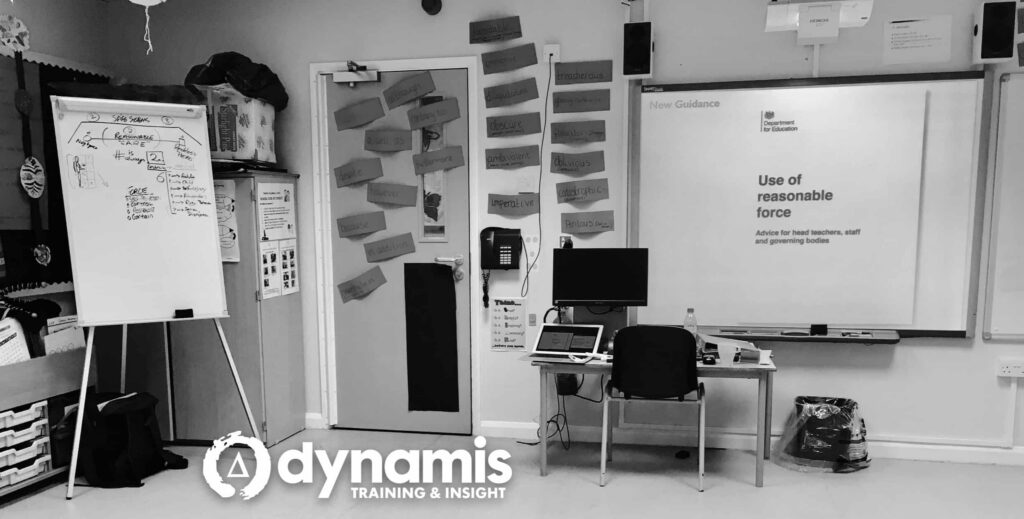
When one service wanted to change its culture, it chose three senior carers to lead the training. The post describes the needs analysis behind their programme and the scenarios built from it.
social contract in restraint reduction

Ambiguous social contracts let behaviour drift. The post uses the washout effect to explain how care cultures decay without modelled standards, citing Whorlton Hall and Winterbourne View, and sets out the programme’s response.
Training needs analysis for restraint reduction
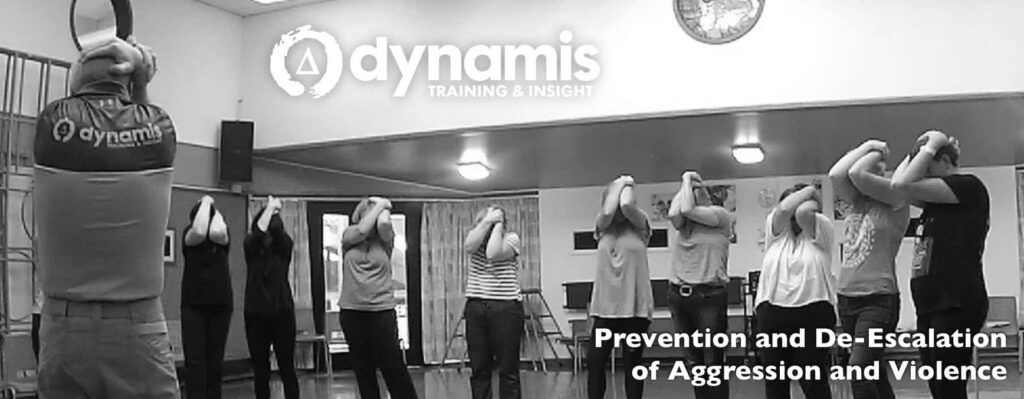
An excerpt from an 18-page case study on restraint reduction, describing how training needs were gathered. It covers staff surveys, incident data, board interviews, and the aim of reducing floor-based restraint.
Positive Behaviour Trainer Course for Services caring for People with Learning Disabilities and Complex Needs
A train-the-trainer course for services supporting people with learning disabilities and complex needs. It maps the flashpoints staff meet, including pain and delirium, intimate care, medication refusal and clashes between residents.
Secure Escort: Courses for Mental Health Escort Teams

How a series of workshops was built for mental health escort teams transporting patients across the UK. The training focuses on flashpoints inside vehicles, with de-escalation first and restraint kept as a last resort.
£150,000 fine for Care Home Wheelchair Restraint Strap Death

A 74 year old resident at a Birmingham nursing home died after slipping from her wheelchair and being caught by the lap belt. The operator was fined £150,000 after admitting health and safety breaches.
Case Study: Brain Injury Rehabilitation Centre
A brain injury rehabilitation unit asked Dynamis to standardise how a mixed staff team responded to aggression, building teamwork and a wider range of responses for complex medical and behavioural cases.