
A stalker at work what can we do?

An employee was stalked and her car vandalised, and the perpetrator later reached her workplace. The post covers what the person should know, the training that helps and how organisations can support them.
Lone Social Worker Abducted and Abused
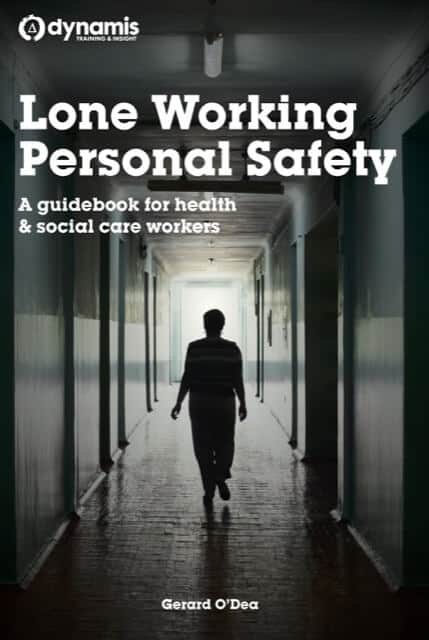
Three teenagers were jailed for five years in total after abducting and attacking a 23-year-old trainee social worker during a home visit in Ayrshire. The post asks whether lone worker training keeps pace.
Restraint Training: Control Phase and Restraint Phase Differences
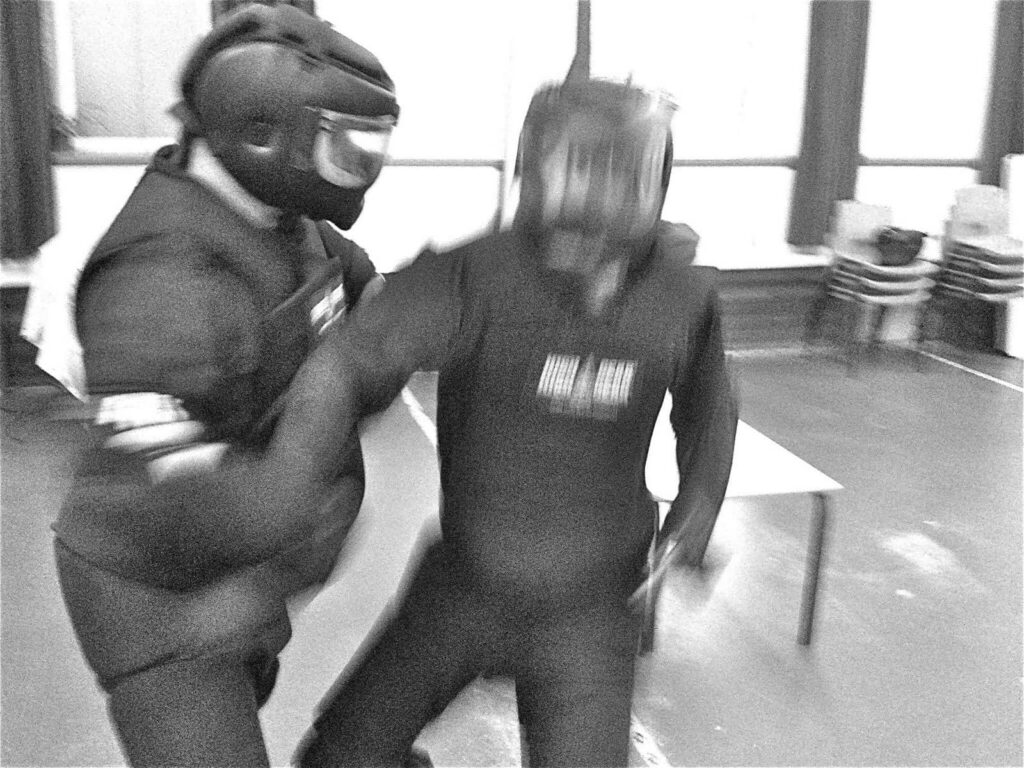
Evidence given at the Sean Rigg inquiry separated the control phase of an incident, unstructured, frenetic and dangerous, from the restraint phase. The post explains why chasing the hold too early raises risk.
Restraint Training: Floor-Based Restraint Controversy
A mental health charity called for prone restraint to be banned. The post argues restraint is a tool, like a wrench, judged by how it is used, and cites ACPO’s view on floor outcomes.
Nightclub death linked to Neck Restraint

Julian Webster collapsed after a doorman held him in a chin-lock outside a Manchester bar in 2009. Pathologists told the inquest that heart disease and the effects of restraint combined.
Punch Drunk Restraint Training Design
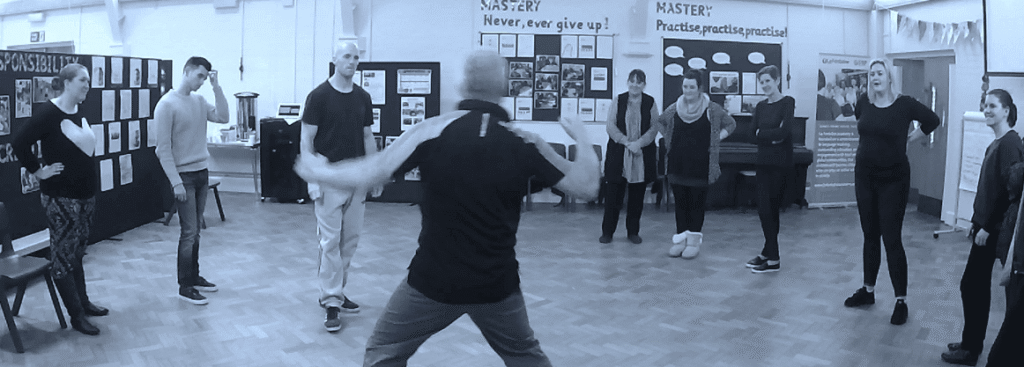
Mark Dawes asked 356 NHS nurses how they had been assaulted and found front-on punches and slaps dominated. The post argues breakaway courses should train for that, using stimulus identification to cut reaction time.
Personal Safety Tips for Lone Workers (or anyone)
Twelve personal safety tips drawn from the trainer certification manual, covering body language, intuition, staying visible, altering a perpetrator’s calculation, and the psychology of how violent incidents unfold.
Reacting more quickly: Stimulus Identification in Breakaway Training
Reaction time depends on how many stimuli a person has to choose between. The post applies stimulus-response research from sport to breakaway training, arguing that reading pre-assault mannerisms can shorten response time.
Understanding Reaction Time in Restraint Training and Personal Safety

Reaction time is the gap between a stimulus and the start of a response. The post explains why teaching too many breakaway techniques slows decisions, citing Paterson and Dawes on programmes that overload practitioners.
Retail Security Risks and Training in Personal Safety

A security guard was stabbed with a syringe in a Kent supermarket. The post sets out the risks retail staff face, from drug-related violence to knife carrying, and argues for better training needs analysis.