
How should training impact be measured beyond satisfaction scores?

Satisfaction scores tell you learners were happy. They do not tell you whether practice changed. What to measure instead.
What evidence should a buyer request from a training provider?

A buyer’s checklist for evidence from a conflict or restraint training provider, covering quality assurance, what sits behind safety claims, learner feedback, case studies, method, implementation support and the negative evidence too.
Why does one-day-and-done training fail?

One-day training does not always fail. It fails when it is the whole plan. What a single day can and cannot do for a team.
Train-the-trainer programmes: building internal trainers who can actually change practice

Train-the-trainer programmes build internal capability but often fade because trainers keep their old workload and lack standing with colleagues. The post sets out role clarity, authority and format, plus shortcuts that weaken programmes.
Scenario-based training: helping people practise the work before the work becomes difficult

Scenario-based training should recreate the decision-making demands of real work rather than stage a performance. The post covers environment, controlled stress, feedback and repetition, plus common shortcuts that turn scenarios into drills.
NHS Trainers Shocked by gains from Scenario Approach
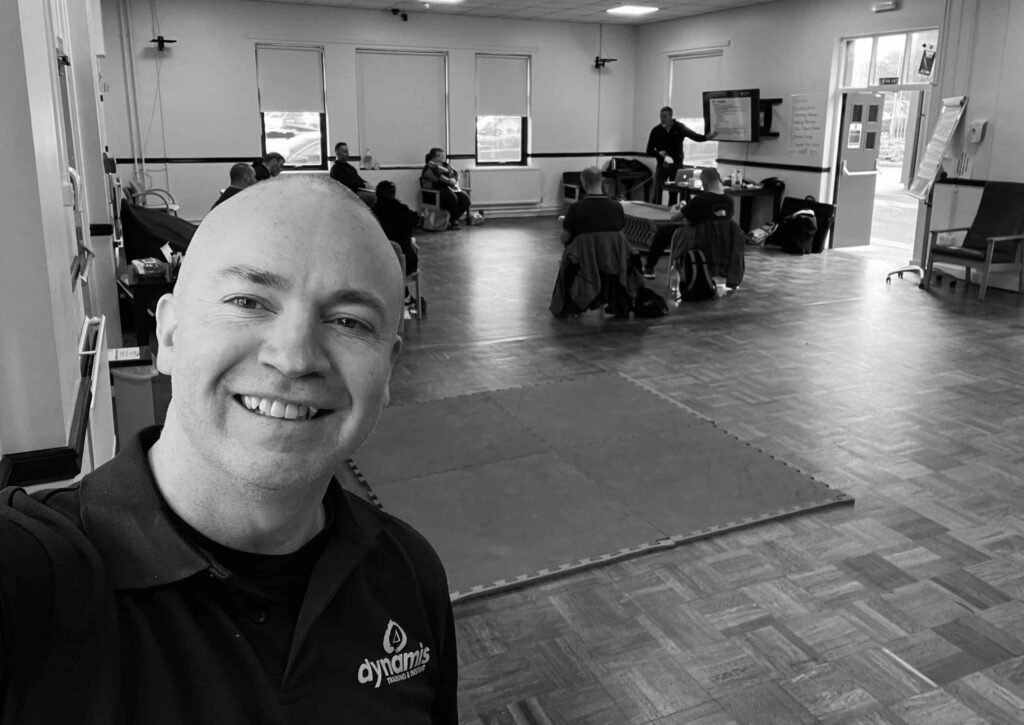
Gerard O’Dea and Professor Chris Cushion introduced the SCENA scenario-driven approach to experienced NHS trainers in Scotland in March 2022, aiming for more engaging sessions and better transfer of skills to the ward.
Restraint Reduction Outcomes

A trainer team rolled out its four-day course across a learning disability and mental health service. Time spent in restraint halved within months, with wall stabilisations and Safety Pods used instead of floor holding.
Breakaway training in care

Old breakaway training in care dated from the 1960s and was taught like a martial arts class, unlike real violence. The post describes a modern instinctive approach and its effect on restraint numbers.
Becoming an effective PMVA Trainer
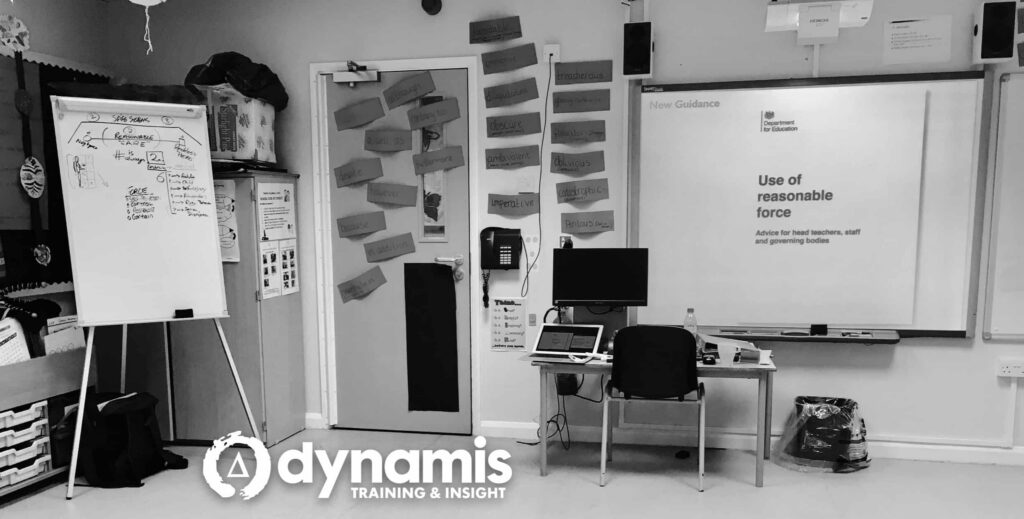
When one service wanted to change its culture, it chose three senior carers to lead the training. The post describes the needs analysis behind their programme and the scenarios built from it.
social contract in restraint reduction

Ambiguous social contracts let behaviour drift. The post uses the washout effect to explain how care cultures decay without modelled standards, citing Whorlton Hall and Winterbourne View, and sets out the programme’s response.