
As 2024 draws to a close and in an era where professional development is crucial, we reflect on what makes training programmes truly impactful. Recent feedback data from Dynamis training programmes reveals important insights — and the picture is encouraging.
Here’s a summary of what participants told us.
Do Dynamis’ conflict management programmes meet expectations?
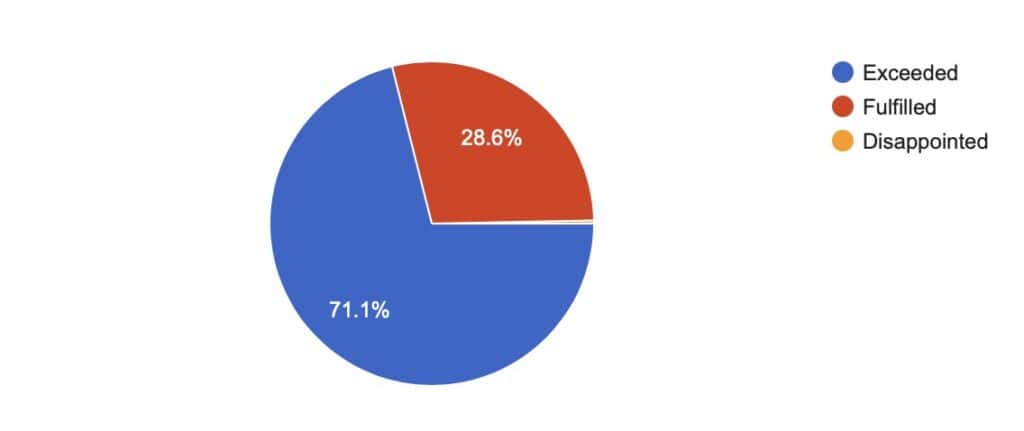
First and foremost, participant expectations weren’t just met — they were exceeded. Over 70% of participants reported their expectations were surpassed, with nearly all others confirming fulfilment. In adult education, where learners arrive with diverse needs and high standards, this is a meaningful achievement.
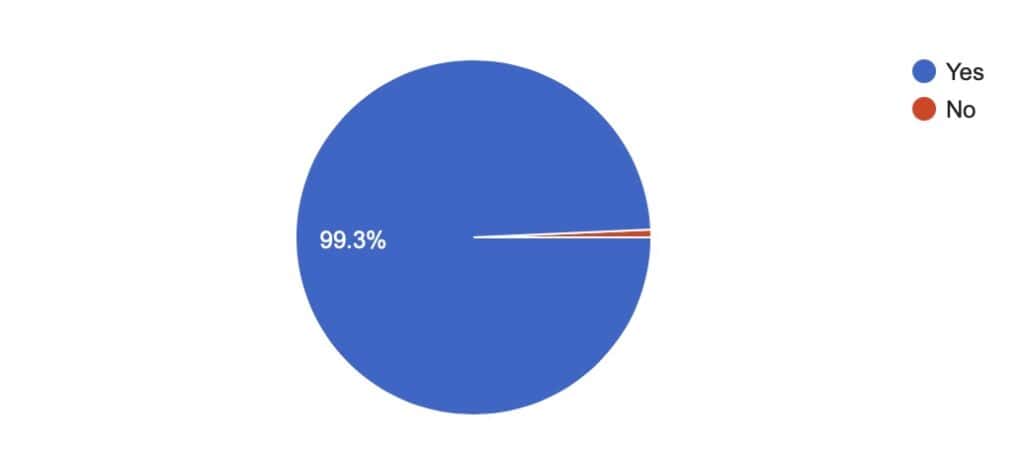
99.3% of participants said the techniques they learned were appropriate for the real-life scenarios they could face at work.
Were your expectations about the course met?
Do participants experience quality in their Dynamis trainers?
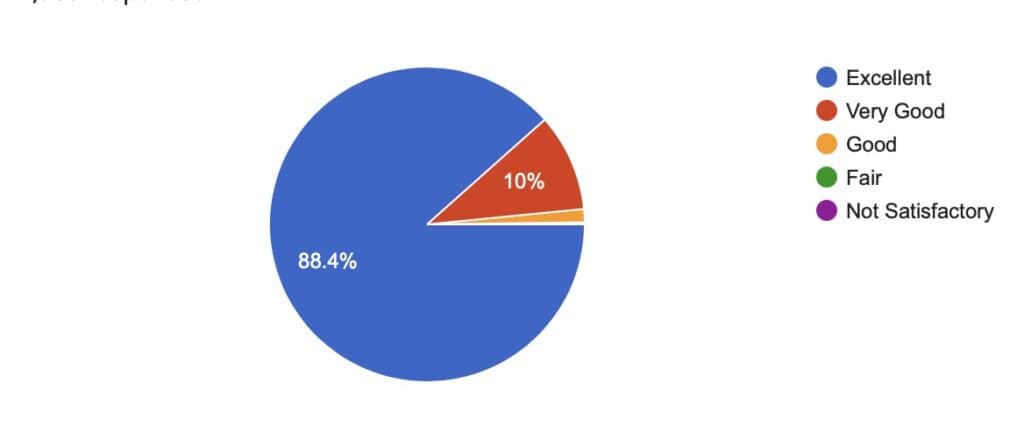
The cornerstone of our success lies in our trainers’ expertise in conflict management, de-escalation and resolution. An impressive 88% of participants rated our trainers as “Excellent” — establishing a foundation of credibility that resonates throughout the entire learning experience.
This expertise isn’t only theoretical. It translates into practical value: 99% of participants confirmed the relevance of techniques to their workplace scenarios.
How did you rate the Dynamis instructors’ knowledge and competence?
How important is safety when running conflict management and positive handling programmes?
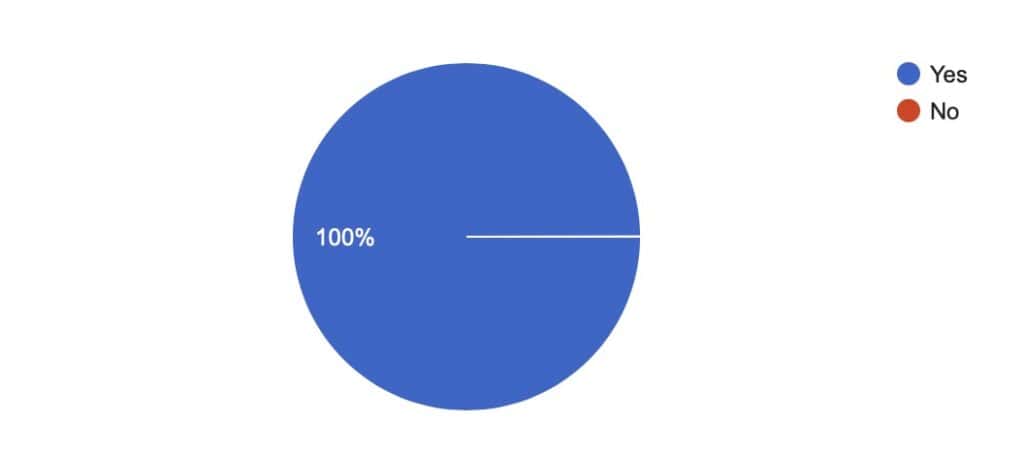
Safety and proper execution remain paramount in our training approach. The unanimous confirmation of proper health and safety practices underscores Dynamis’ unwavering commitment to creating secure learning environments — protecting participants while building the trust essential for effective learning.
Did the Dynamis trainer observe good health and safety practices — was the course run safely?
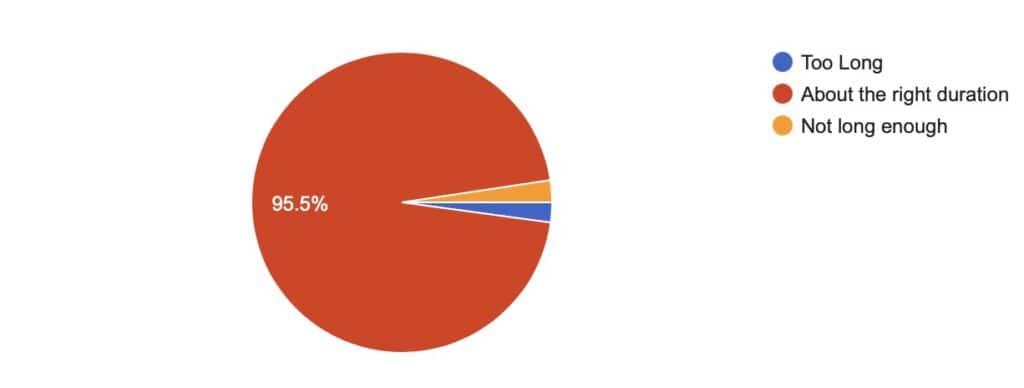
Are Dynamis conflict resolution courses long enough to deliver quality learning outcomes?
One of the most challenging aspects of training design is getting the duration right. Our data shows we’ve struck an optimal balance, with 95% of participants finding the course length appropriate. This careful calibration ensures comprehensive coverage while maintaining engagement.
Was the course of the right duration for you to gain the skills and knowledge you needed?
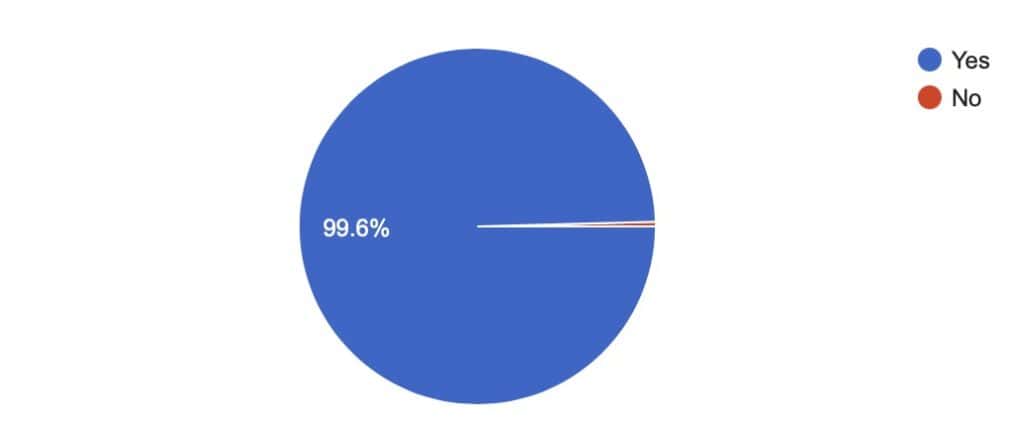
How do participants rate the theoretical elements of Dynamis’ courses?
The theoretical components of our courses in conflict management and positive handling have proven equally valuable. 99% of participants reported that the knowledge gained was professionally beneficial — bridging the often-challenging gap between theory and practice.
Were the theory and knowledge components of the course helpful for you professionally?
How relevant are taught techniques to real-life workplace situations?
The 99.3% positive response regarding technique relevance demonstrates our training’s precise alignment with real-world scenarios. This near-perfect score validates our approach to providing practical, adaptable skills for de-escalation and conflict management that translate directly to workplace challenges.
Were the techniques and tactics you learned appropriate for the scenarios you could possibly face in your work?
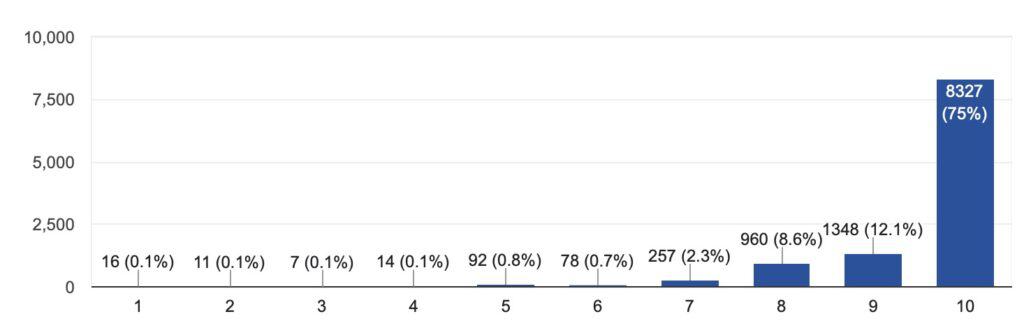
Would course participants recommend Dynamis training to a colleague?
Perhaps the most telling metric is our recommendation score. With an average of 9.53 out of 10 and most participants giving perfect scores, this rating reflects not just satisfaction but genuine enthusiasm. Participants specifically highlighted trainer expertise, content relevance, and practical applications as key factors.
📊 Did you know? An average recommendation score of 9.53/10 across hundreds of participants — with most giving a perfect 10 — reflects the kind of advocacy that speaks louder than any marketing claim.
On a zero to ten scale, how likely is it that you would recommend Dynamis Training to a colleague?
Committed to continuous improvement
Even with these impressive results, we’re not standing still. Feedback indicates opportunities for enhancement, particularly in post-training support and follow-up resources. These suggestions provide valuable direction for future development.
The data paints a clear picture: effective training combines expert instruction, practical relevance, and appropriate pacing. When these elements align with proper safety protocols and engaging delivery, the result is a learning experience that exceeds expectations.
Looking ahead, our focus remains on maintaining these high standards while implementing improvements based on what participants tell us. The strong recommendation scores serve not just as validation of our current approach but as motivation to continue raising the bar in professional training.