
House Rules for Housebuilding — Trust is the risk environment

Housebuilding conflict is treated as a health and safety risk rather than a reputation issue. The post sets out flashpoints such as completion delays, snagging disputes and lone staff in show homes.
Lone Working Community Nursing: 3 Hidden Risks

Risk assessments for lone working community nursing tend to miss three things. The post argues the first minute of a visit matters more than alarms, apps and check-in systems.
Lone Worker Personal Safety Responsibilities
What the law asks of lone workers, and why some care staff take unreasonable risks with violent clients. It sets out reasonable care under the Health and Safety at Work Act 1974.
Personal Safety for Lone Workers

Employers must protect lone workers so far as reasonably practicable under the Health and Safety at Work Act 1974. The post explains four safeguards, information, instruction, training and supervision, illustrated through a case study.
Housing Officer Safety and Lone Working: Trust your intuition to Stay Safe
Drawing on The Gift of Fear and Blink, the post argues housing officers already have expert instincts built from thousands of door visits, and should act on unease rather than ignore it.
Keeping Lone Workers Safe: Information Sharing
A video clip from a lone worker safety course in which Gerard O’Dea describes a case where a worker was seriously attacked by someone who had threatened her, but the warning was never shared.
How to call for help as a lone worker
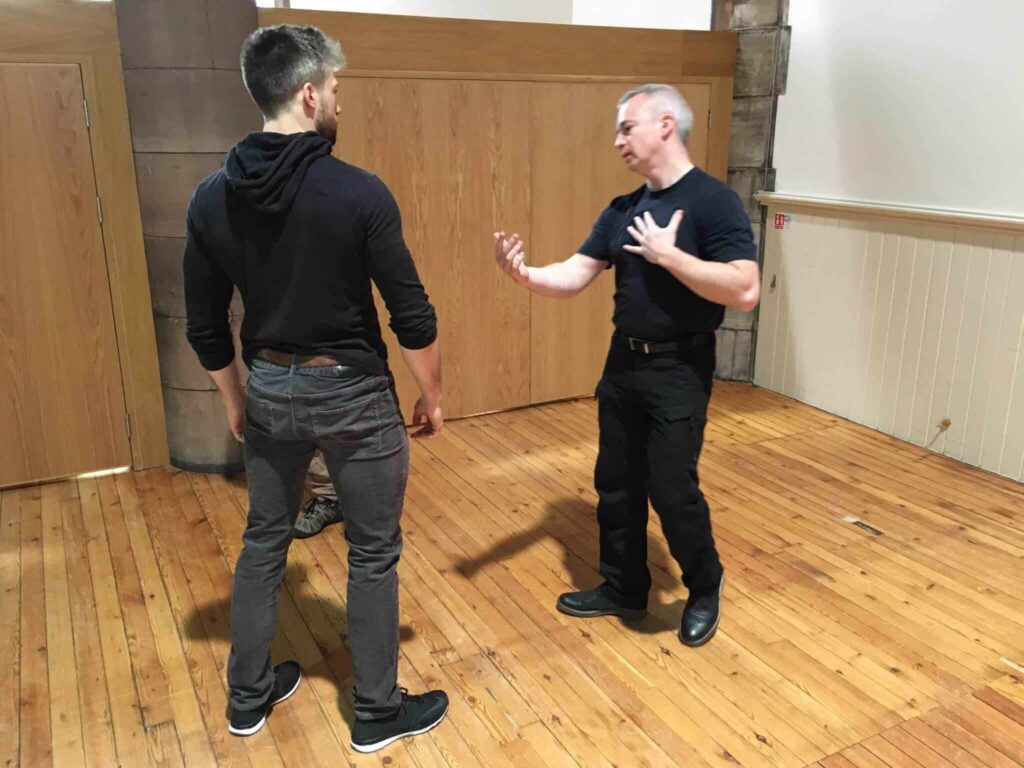
Lone worker safety devices may work, but the post asks whether a person under extreme stress can operate one. Arousal narrows attention and costs fine motor control, making keypads and calm calls difficult.
Care worker ʻnight of terrorʼ with patient ‘like a horror film’

Loraine Morgan, a care worker in Wales, spent nine hours barricaded in a box room after an attack in 2011. The post sets out employers’ legal duty to assess risk and train staff.
National Personal Safety Day – Lone Working Book from Dynamis
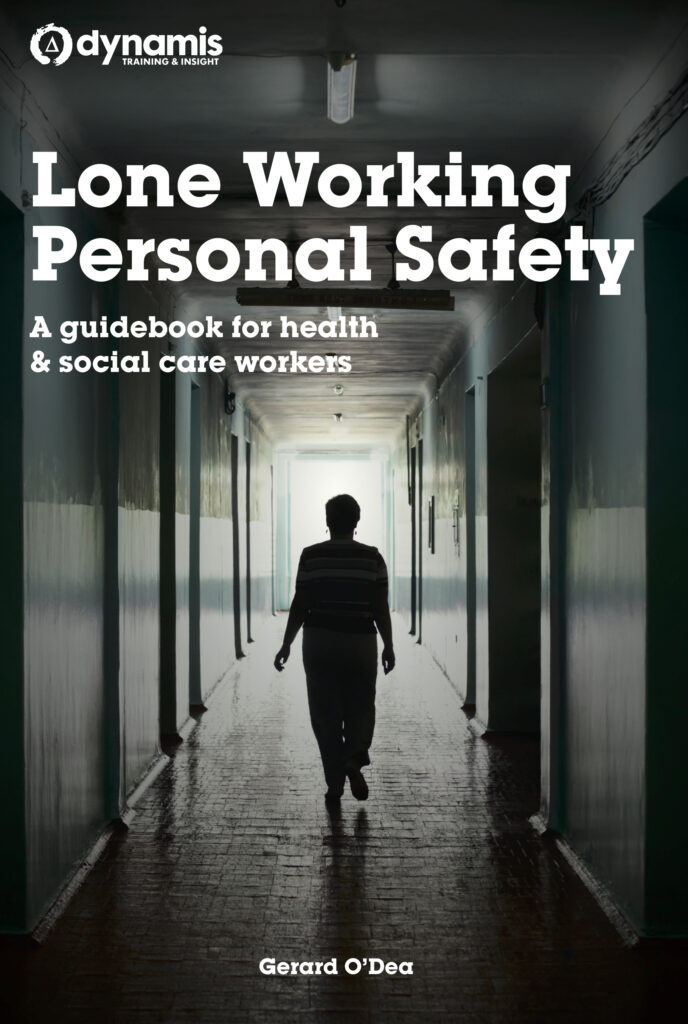
Health and social care staff working alone in the community get a guidebook covering safety devices, aggression and fear, conflict triggers, body language, reasonable force and the discomfort many people feel about conflict.