
How should training impact be measured beyond satisfaction scores?

Satisfaction scores tell you learners were happy. They do not tell you whether practice changed. What to measure instead.
What evidence should a buyer request from a training provider?

A buyer’s checklist for evidence from a conflict or restraint training provider, covering quality assurance, what sits behind safety claims, learner feedback, case studies, method, implementation support and the negative evidence too.
Why does one-day-and-done training fail?

One-day training does not always fail. It fails when it is the whole plan. What a single day can and cannot do for a team.
Start with the scenario, not the explanation

SCENA’s first coaching tip reverses the usual order. Put learners into a short, low-pressure scenario first, then explain, so the teaching answers a problem they have already felt.
Safe holding: supportive care, clear judgement, and keeping dignity at the centre

A detailed guide to safe holding in care, separating supportive touch from restraint by purpose, force, duration and consent. It argues that training should build judgement and communication, so staff know when to stop.
Managing conflict and violence risk in retail: protecting staff where the risk really lives
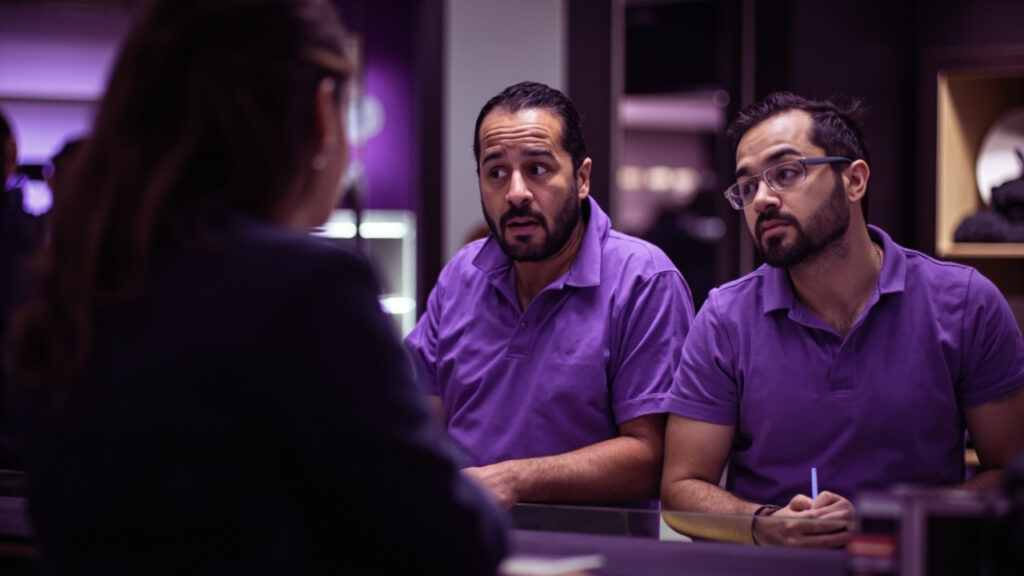
Retail conflict management has to reach past policy and posters to the shop floor, where abuse is routine and staff learn to minimise it. The post sets out what a credible programme includes.
Conflict training for GP surgeries and pharmacies: supporting the people at the counter

Counter staff in GP surgeries and pharmacies absorb frustration about delays they did not cause. The post says generic courses fall short, sets out pressures specific to each setting, and suggests a first step.
Personal safety training: helping staff read the room, trust their judgement, and act early
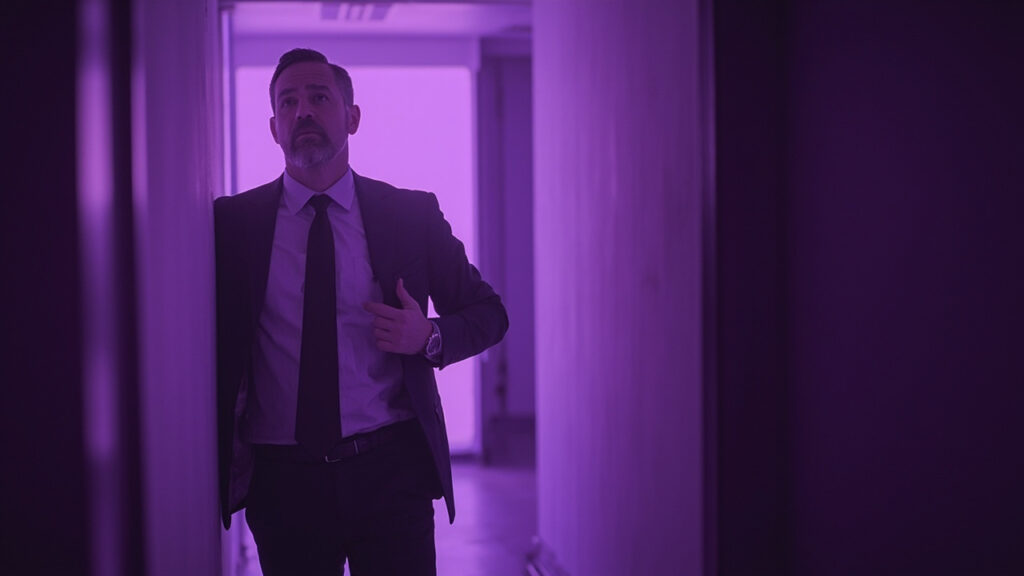
Personal safety rests on judgement more than technique. The post sets out three habits, reading the room, trusting judgement and stepping out of the hands-on zone, with breakaway as the last layer.
How to NOT end up on Panorama; decision making as culture.
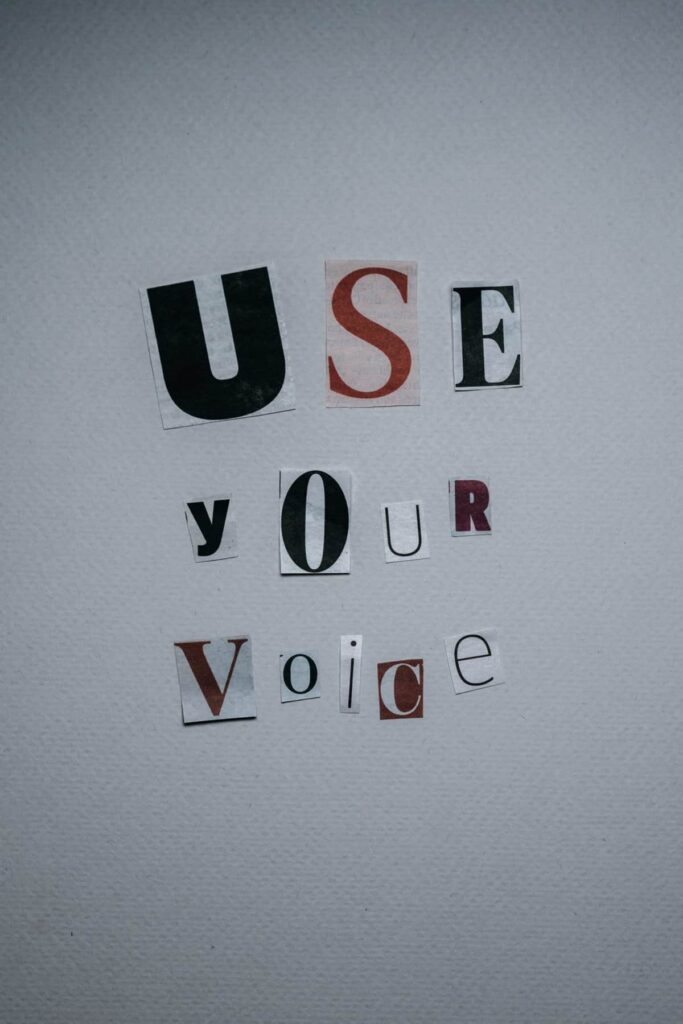
Drawing on the Korean Air 8509 crash and care scandals like Winterbourne View, the post argues that everyday decisions harden into culture, and that teams must speak up and slow down.
Managing aggressive patients in the UAE

Reflections from a training trip to the UAE, including school workshops on demand avoidance, attention needing and runners, and an emergency doctor whom colleagues call for angry, unpredictable patients because she can de-escalate them.