
NHS Trust project: what changed when the team trained for the ‘first minute’

A London trust booked two days for a specialist rehabilitation ward where frailty, dementia and delirium meet physical risk. The post covers the first-minute approach taught, what changed, and the limits of training alone.
Restaurant Conflict: Training for restaurant staff in facing anti-social behaviour

Dynamis trainer Alex worked with a UK restaurant chain, training bar staff, hosts and managers. The post covers the anti-social behaviour restaurant teams meet, its effect on staff and the measures that address it.
Reducing Hospital Violence through Training
Jeff Mehring, who oversaw security across eight hospitals, describes moving his teams from reactive de-escalation to proactive non-escalation. Security contacts rose while physical interventions fell, because staff engaged earlier in situations.
What are key Values for Restraint Reduction?
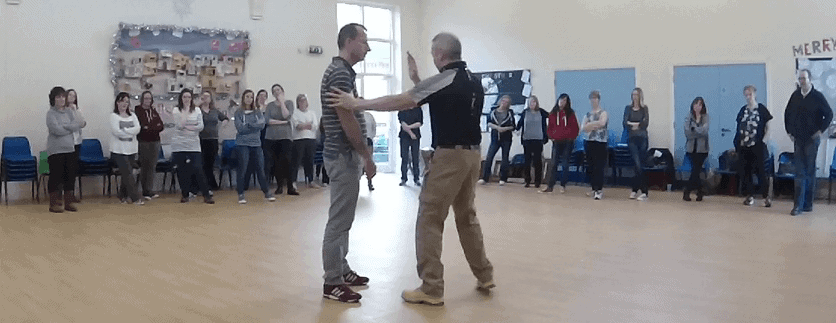
Restraint should be a last resort, and the post sets out the values behind that. Dignity and respect come first, then the five communication maxims and social contracts that reduce the need for restriction.
Hospital Violence Reduction – Violent Drug-Seekers
Drug-seekers arrive at emergency departments looking for drugs, and some turn violent when refused. One observed visit ended with a doctor and security guard attacked; the post examines security and training responses.
Hospital Violence Reduction – Legislative Landscape
Many countries now legislate to protect public service workers from violence, often raising sentences for assaults on emergency staff. It examines California’s 1995 AB 508, which requires hospitals to assess security and plan prevention.
Hospital Violence Reduction – Organisational Commitment
Nursing staff sometimes feel unsupported when violence happens, even where a violence reduction project exists. The post sets out research on confidence and self-esteem, zero-tolerance messaging, and what leaders owe staff after incidents.