
Increasingly Complex Scenario Driven Training #conflictmanagement #deescalationtraining
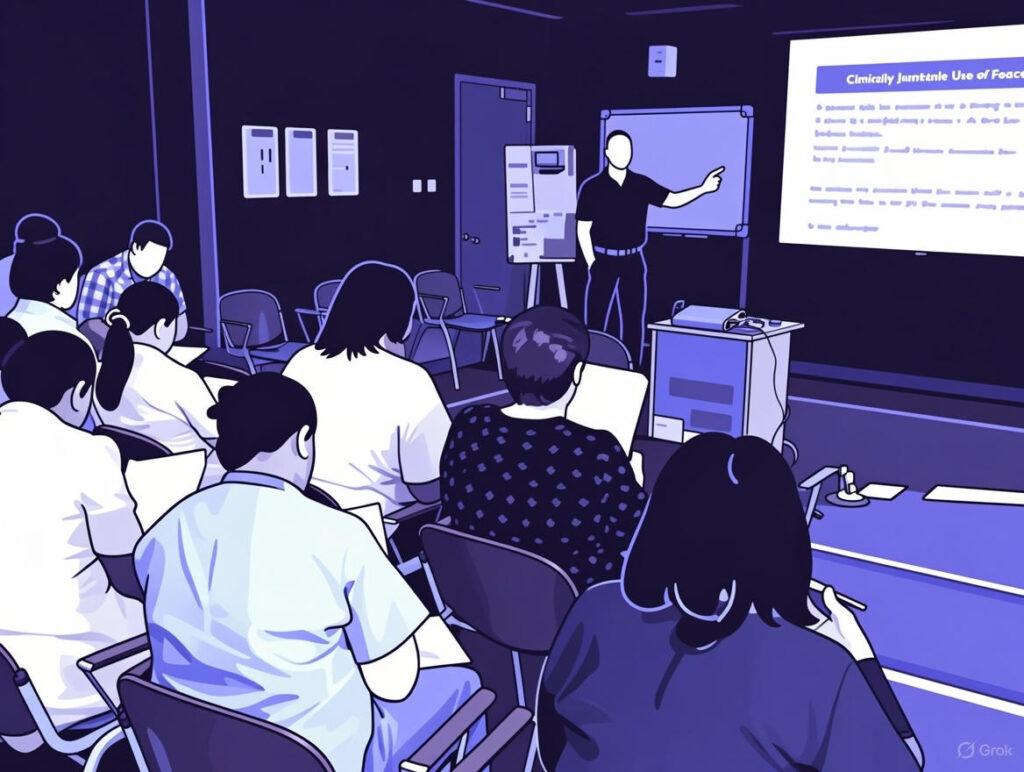
Traditional training often falls short when it matters most. Staff learn techniques in isolation, practice decontextualized drills, and then struggle to apply those skills when facing real workplace challenges. There’s a better way. Scenario-driven training puts learners directly into authentic situations that mirror the complexities they’ll face on the job. Rather than teaching skills in […]
Who should we send on the training?

In large-scale organisations, determining who the right people are to send on conflict resolution, personal safety or physical interventions training programmes is critical. In this article, Dynamis offers insight into why this is the case, as well as posing some questions that will help you partner with training providers to develop an efficient, engaging and […]
What is Mental Health Secure Escort Training?
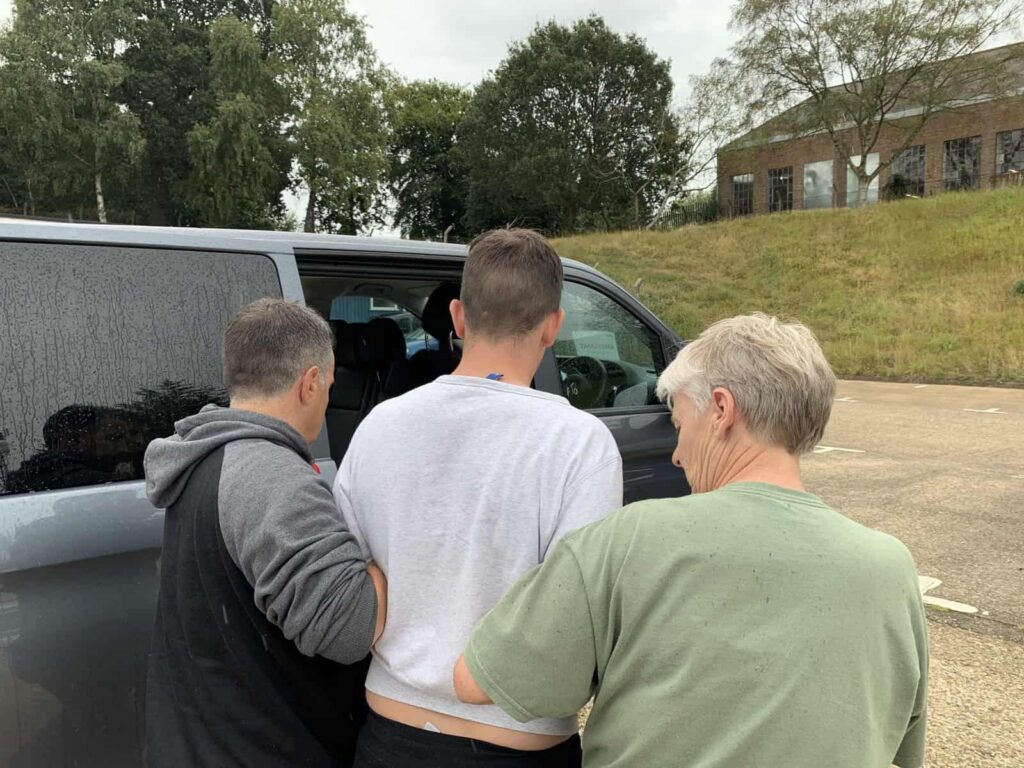
Our staff writer, Vanessa, recently talked with Senior Trainer Zeb Glover about our prevention and management of violence and aggression training course for secure mental health transport teams, to help prepare them for some of the unpredictable behaviours and risky situations they face in their work. What is Secure Escort or Mental Health Transport work? […]
NHS Trainers Shocked by gains from Scenario Approach
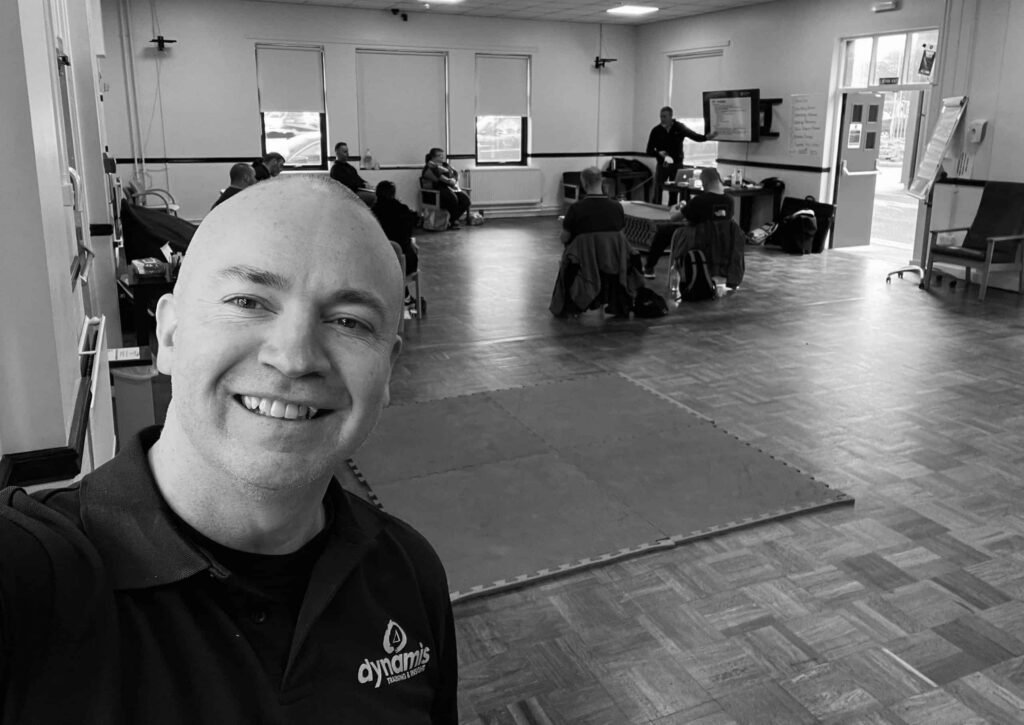
Our Director of Training, Gerard O’Dea, and Professor Chris Cushion worked with a number of experienced conflict and physical intervention trainers from NHS boards around Scotland to introduce them to the SCENA Scenario-Driven Training Approach in early March 2022. The team – already competently teaching a variety of approaches to tactics including Maybo, GSA, Functional […]
Restraint Reduction Outcomes

Restraint Reduction OutcomesThe new trainer team for this service began rolling out their own programme (a four-day, full-spectrum course for their LD/MH setting) to their staff in October. By December, they had seen dramatic restraint reduction outcomes in key indicators such as time-in-restraint, floor-based-restraints and number-of-restraints for their high-frequency service users. “The amount of […]
Breakaway training in care
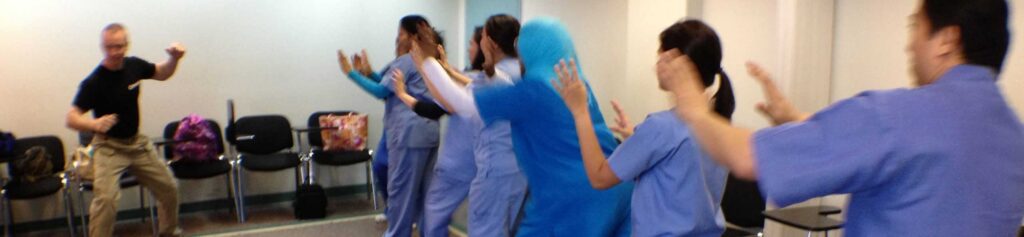
Breakaway training in care – an example of positive outcomes At one point early in the training programme it becomes important to look at physical self-protection training, especially if the service data shows that some service users, when distressed, target staff with violence by grabbing, hitting or throwing objects at them. In the past, the […]
Becoming an effective PMVA Trainer
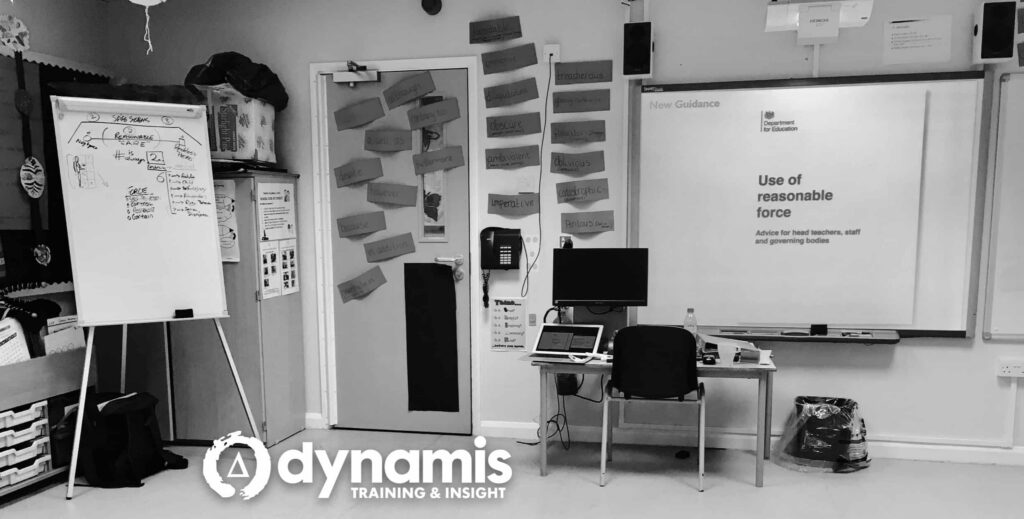
Probably the most important decision a company makes when it wants to change the culture of their workplace is this: Which personalities will lead the training effort? In this case, the organisation chose three of their most senior carers, who had all been in the service for long enough to know the common flashpoints, […]
social contract in restraint reduction

The Social Contract in Restraint Reduction What happens when people can’t predict with any certainty how an organisation will respond to their transgression of an agreement? If a social contract is broken, and the consequences could slide on a scale from ‘nothing’ to ‘serious’ – how many people would take the chance to break the contract? […]
Training needs analysis for restraint reduction
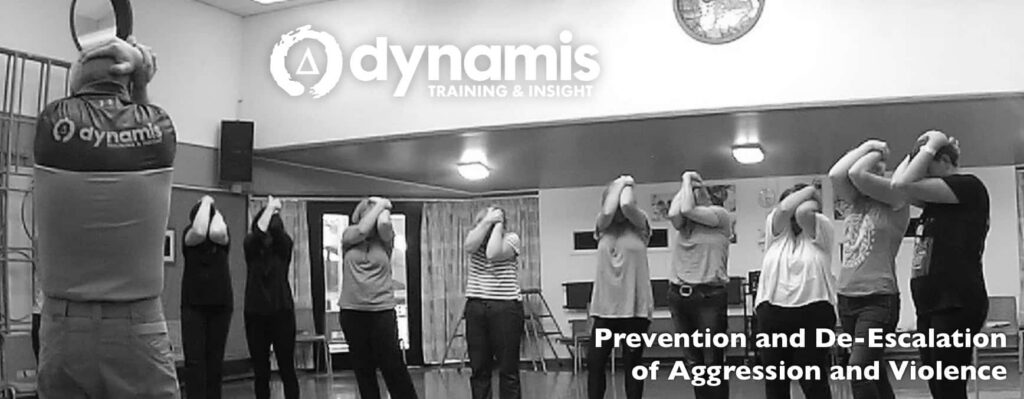
This is an excerpt from our 18-page Case-Study about how we achieved significant Restraint Reduction outcomes with this training programme. To read the case study and learn about the project, please visit our Restraint Reduction page. continued… In line with our accredited quality assurance process with the Institute for Conflict Management, and with the cooperation of […]
A new Train the Trainer Approach our clients love, called SCENA

SCENA is a scenario-driven train-the-trainer approach, which is based on evidence and research about learning. It gives trainers a format for delivering conflict and physical interventions training which is effective, engaging and efficient.