
Safe holding: supportive care, clear judgement, and keeping dignity at the centre
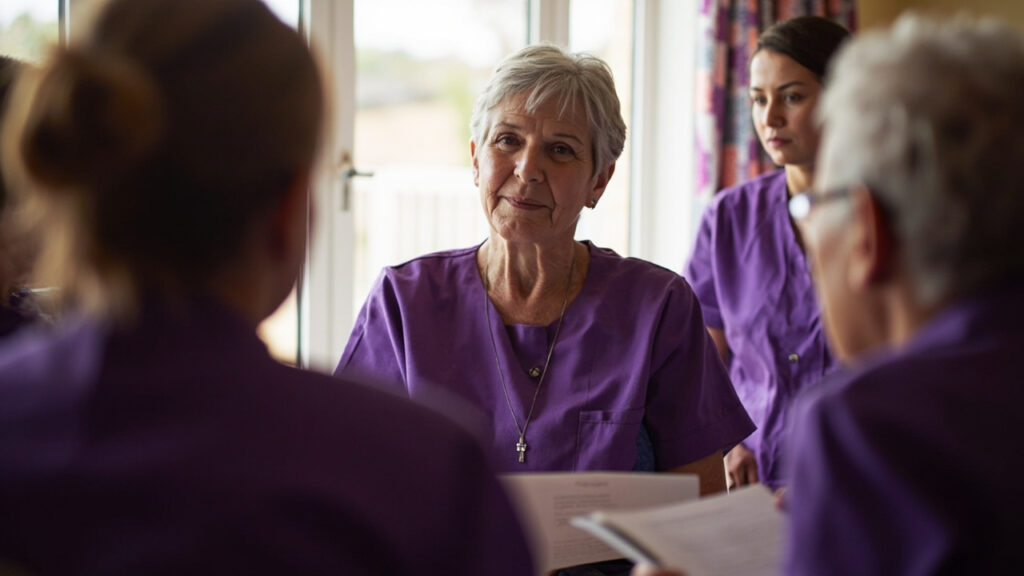
A detailed guide to safe holding in care, separating supportive touch from restraint by purpose, force, duration and consent. It argues that training should build judgement and communication, so staff know when to stop.
Managing challenging behaviours in dementia care: understanding distress, preserving dignity and supporting staff

Behaviour in dementia care is often communication, so training should start with the person, the routine and the environment. Physical intervention is treated as a last resort, with support for staff and families.
Challenging Behaviour in Elderly Dementia Care: Bathing without the Bruises

Drawing on the Bathing Without a Battle programme, the post asks what being clean really means to each resident, then covers communication, flexibility over rigid policies and the three drivers of resistance.
Feedback for Managing Child-to-Parent Violence 2019
Feedback on the Managing Violent Behaviour in the Home Context course, run with the National Association of Therapeutic Parents for foster carers and adoptive parents since 2017, covering the regulations behind last-resort protective interventions.
Care Home Manager feedback: excellent and professional

A nursing home manager in 2018 described the training as excellent and professional, delivered by scenario-based work for staff caring for older people. The post describes the blended Safe Caring and Safe Holding programme.
Managing Distressed Behaviour in Older People: recent feedback for Safe Holding

Feedback from a dementia unit care assistant introduces this account of safe holding sessions for staff moving into specialist dementia care, covering flashpoints, scenario work, de-escalating communication and release tactics.
More than 15 Schools in UAE introduced to Dynamis Positive Handling

Around 150 staff from more than 15 schools in Abu Dhabi and Dubai trained in Positive Handling, built around UAE labour law, the penal code on use of force, and ADEC requirements.
Making Decisions about Restraint in Dementia and Elderly Care
This Social Care Institute for Excellence video, used on Dynamis courses to prompt discussion, weighs the duty to care against protection so that restraint is minimised and residents keep safety and dignity.
Safe Holding Training – Bathing without the Battle or the Bruises!
Bathing is a reliable flashpoint in care work. The post explains why resistance happens, then covers knowing the person, preparing the room, having enough staff with one agreed leader, and knowing when to stop.