
Threat Detection
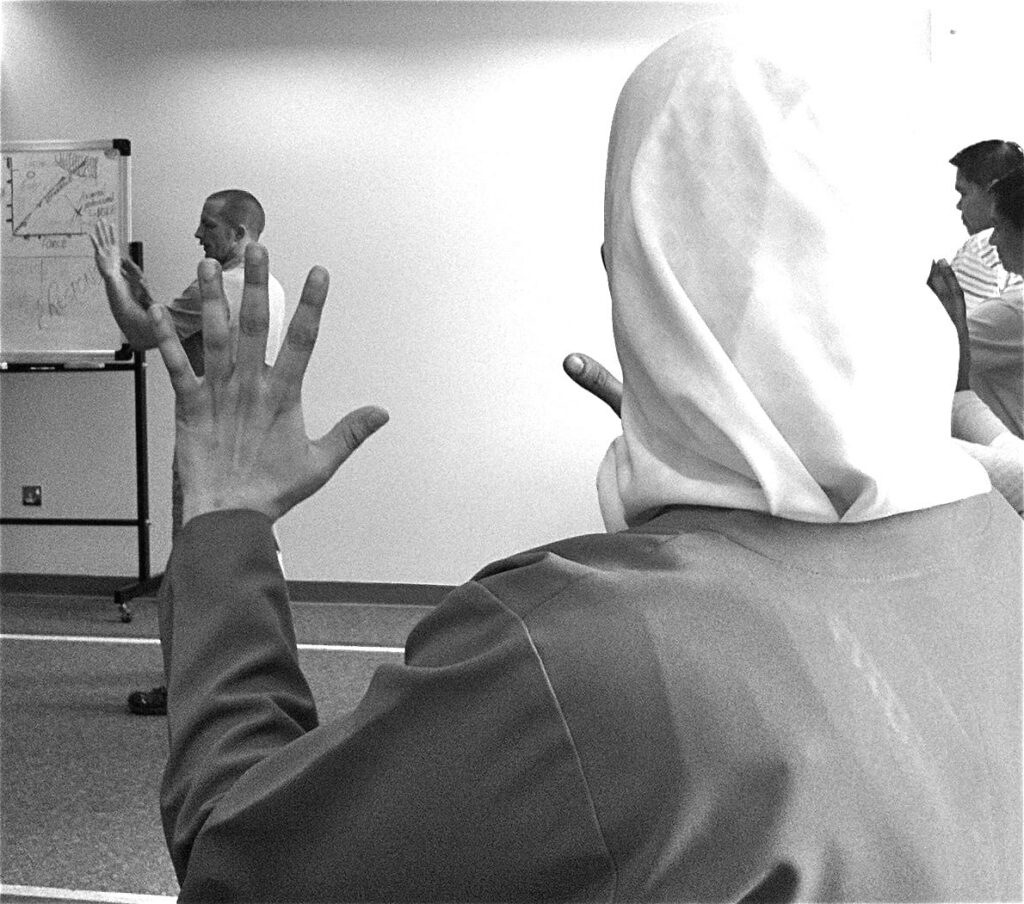
An argument that detection is the most important and most learnable part of personal safety. It explains baselines and anomalies, using the 2011 Japan tsunami and one coastal village as the teaching story.
Breakaway Training: Judges Comments in Dementia Care Assault Case
A dementia care case in which a judge found no evidence that staff had received breakaway or self-defence training, despite a resident with a documented history of serious violence. Includes a video case analysis.
Training Lone Workers: Who should go on the visit?
A course clip about a lone worker sent to visit someone with a violent history, followed by HSE guidance on involving workers, controlling risks, supervision and knowing when a visit needs two people.
Personal Safety for Lone Workers

Employers must protect lone workers so far as reasonably practicable under the Health and Safety at Work Act 1974. The post explains four safeguards, information, instruction, training and supervision, illustrated through a case study.
Training for Restraint:: Things to avoid doing #5
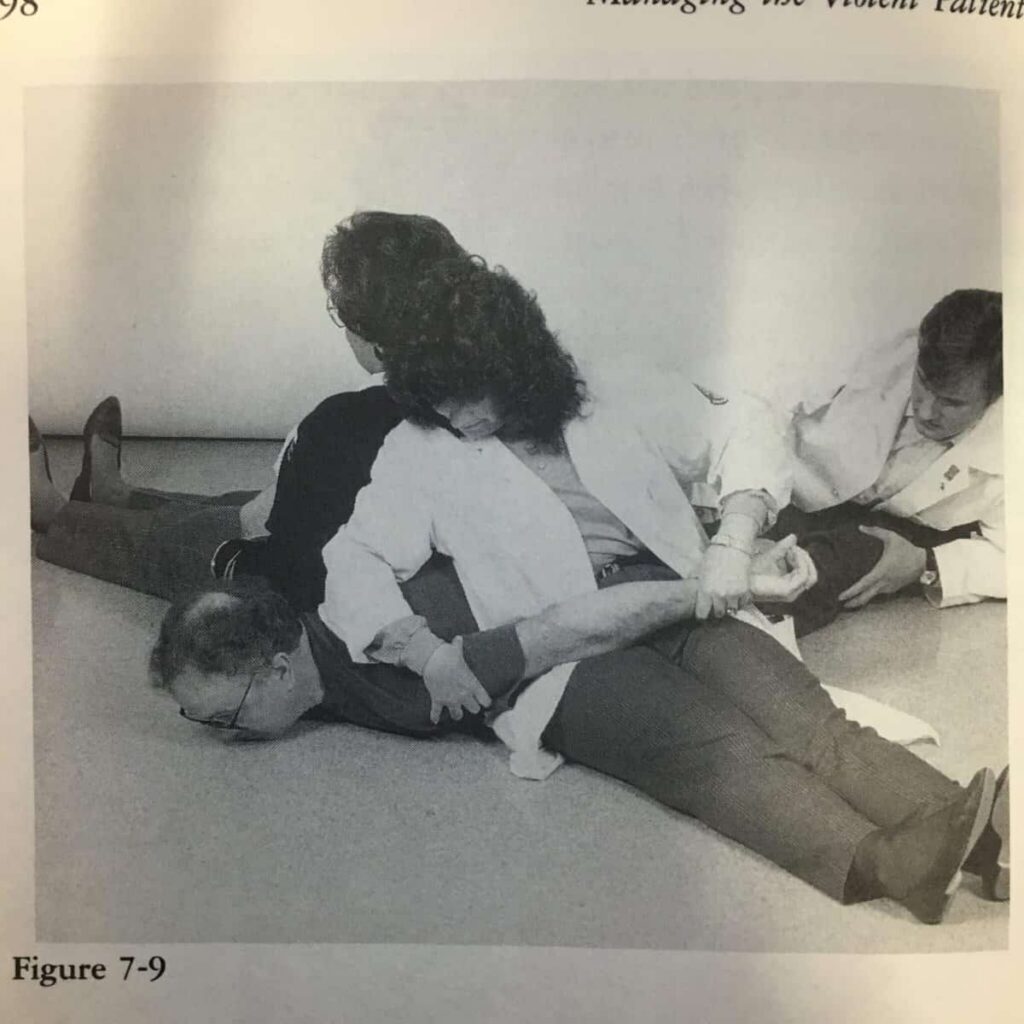
The post examines a restraint technique promoted for controlling violent patients in hospital, warning that staff lying on a prone person put body weight through the torso and cannot monitor what they cannot see.
Training for Restraint:: Things to avoid doing #4
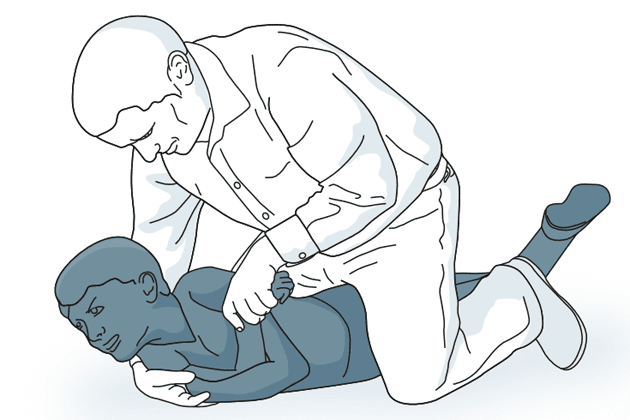
The fourth technique to avoid is a floor hold where staff lie bodyweight across a person’s folded arms. The post sets out the compression risks and why such holds should not be taught.
Training for Restraint:: Things to avoid doing #3
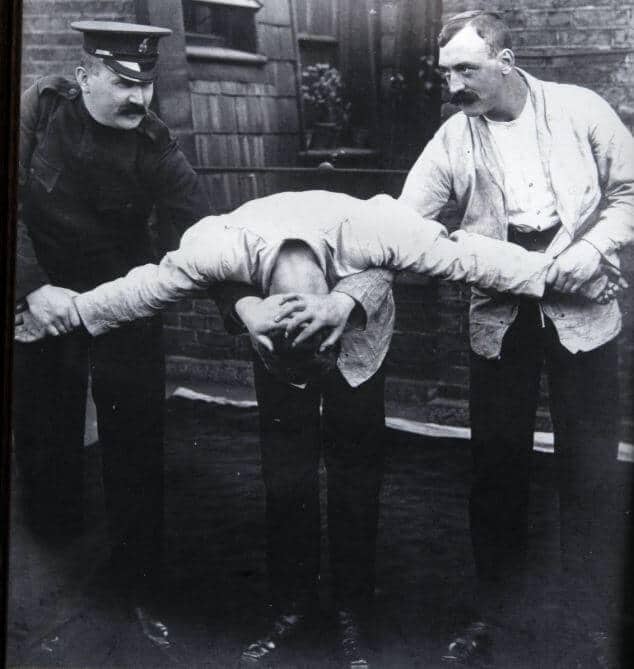
A 1907 photograph of City of London Police restraint shows two officers working together, which the post welcomes, alongside a technique that compresses the airway and raises the risk of positional asphyxia.
Safe Holding Training – Manage Distress – Scotland
A video in which Gerard O’Dea answers a question about how Scottish care homes should respond to distressed or dangerous behaviour in older people, relating safe holding practice to existing guidance and statute.
Restraint Training: Unsafe Handling caused death of resident and £57,000 fine
Elizabeth Stevenson, 88, died after a fall at Highgate Care Home and her provider was fined £57,000. The post traces the missed risk assessment review and supervision failures behind it.
Near Misses and Violence Risk Management in Restraint Training

Near misses are defined and illustrated with examples from training courses and inspections, and the post quotes HSE guidance that recording non-reportable near misses can reveal patterns and weaknesses in procedures.