
This post is about conflict management | personal safety | dynamis training. This image was first published in an article about the types of physical restraint practices being carried out on children in schools in the USA. What it reveals is worth examining closely — because there are a large number of things in this “procedure” which are likely to fail during a floor restraint intervention.
For anyone involved in training for restraint, these failures are worth drawing out point by point:
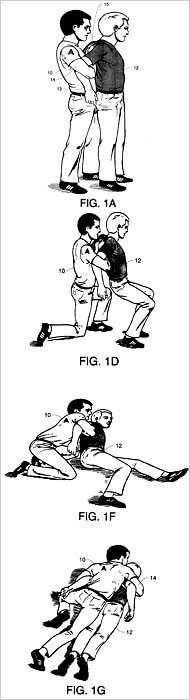
When you do floor restraint, you’ve got to keep your weight off them.
⚠️ Warning: Restraint positional asphyxia is a real and documented cause of restraint-related sudden death. Any technique that places weight on the restrained person’s torso or back is inherently dangerous. Responsible training providers must design this risk out from the start.
We’re not saying that the floor restraint technique won’t work — but the chances of an injury while trying it are probably unacceptably high. Responsible training providers would steer well clear of it.
More of these posts are in the pipeline — comment on our Facebook page if you have something to say!
All the best for now,
Gerard O’Dea
Director of Training, Dynamis
www.dynamis.training
💡 Key takeaway: Good restraint training isn’t about finding techniques that “work” — it’s about eliminating techniques that carry unacceptable risk. Posture, teamwork, and weight distribution are non-negotiable safety factors.
This guide on conflict management | personal safety | dynamis training is part of our ongoing work with schools and academies.