
What are the risks of Distressed Behaviour in Care Homes?

Distressed Behaviours in Care Homes – what are the risks? We have met hundreds of care home staff in our training sessions, and this article aims to clarify some of the issues related to managing aggression and violence with older people, or vulnerable adults in care. We recently received gratitude from a client company that […]
How to NOT end up on Panorama; decision making as culture.

Over time, decision-making becomes culture. 💡 If more team-members spoke up, more effectively and more often, how many disasters, scandals and failures could be averted? I was asked recently to help a team whose workplace ended up looking like a disaster-zone, because of the failure of the team – collectively – to make the right decision […]
Restraint Reduction Outcomes

Restraint Reduction OutcomesThe new trainer team for this service began rolling out their own programme (a four-day, full-spectrum course for their LD/MH setting) to their staff in October. By December, they had seen dramatic restraint reduction outcomes in key indicators such as time-in-restraint, floor-based-restraints and number-of-restraints for their high-frequency service users. “The amount of […]
Breakaway training in care

Breakaway training in care – an example of positive outcomes At one point early in the training programme it becomes important to look at physical self-protection training, especially if the service data shows that some service users, when distressed, target staff with violence by grabbing, hitting or throwing objects at them. In the past, the […]
Becoming an effective PMVA Trainer
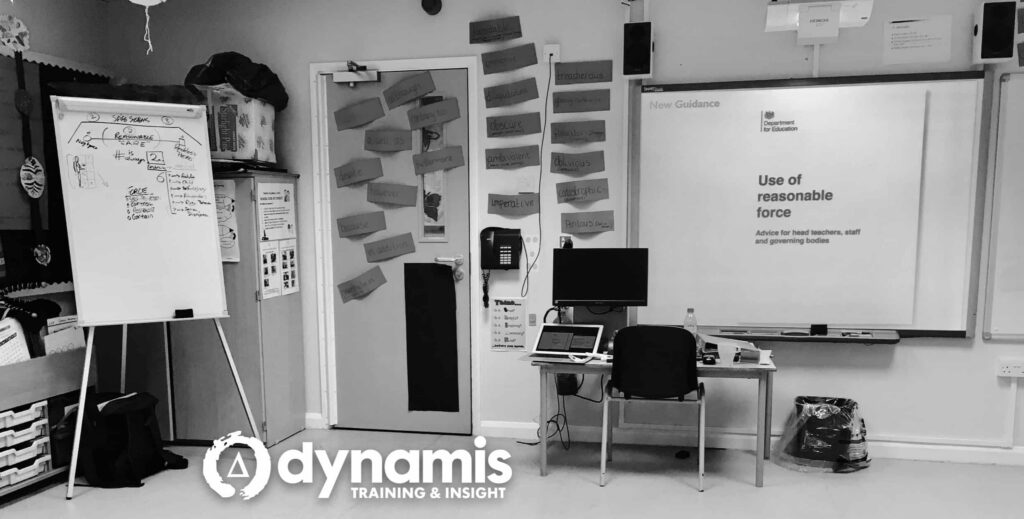
Probably the most important decision a company makes when it wants to change the culture of their workplace is this: Which personalities will lead the training effort? In this case, the organisation chose three of their most senior carers, who had all been in the service for long enough to know the common flashpoints, […]
social contract in restraint reduction

The Social Contract in Restraint Reduction What happens when people can’t predict with any certainty how an organisation will respond to their transgression of an agreement? If a social contract is broken, and the consequences could slide on a scale from ‘nothing’ to ‘serious’ – how many people would take the chance to break the contract? […]
Training needs analysis for restraint reduction
This is an excerpt from our 18-page Case-Study about how we achieved significant Restraint Reduction outcomes with this training programme. To read the case study and learn about the project, please visit our Restraint Reduction page. continued… In line with our accredited quality assurance process with the Institute for Conflict Management, and with the cooperation of […]
Restraint Reduction Trainer Development
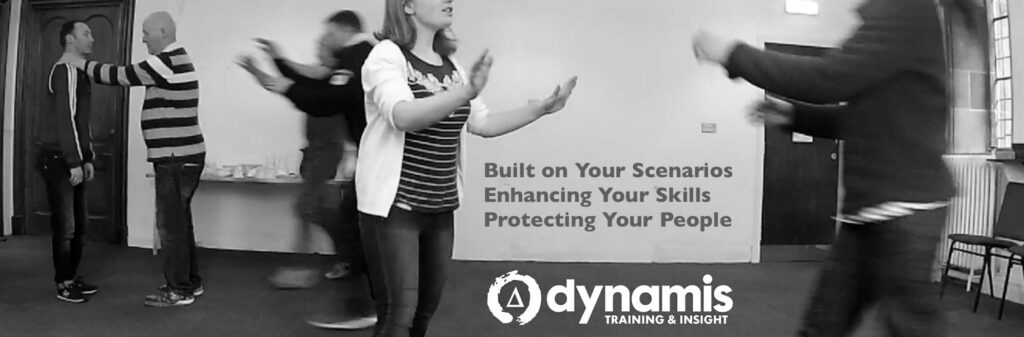
This is an excerpt from our 18-page Case-Study about how we achieved significant Restraint Reduction outcomes with a Restraint Reduction Trainer Development. To read the case study and learn about the project, please visit our Restraint Reduction page. continued… The results of our recent Restraint Reduction Trainer Developmentproject with a small team of new trainers in […]
Challenging Behaviour in Elderly Dementia Care: Bathing without the Bruises
Splish, Splash, Splosh – I just got Boshed! Care assistants and caregivers consistently find that bathing is one of those flashpoints that they have in terms of conflict and combative behavior with elderly residents in care, particularly those who may be confused or distressed because of the effects of dementia. This is one of the […]
Feedback on Distressed Behaviour In Dementia Care
How to Stay Safe and Keep your Clients Safe when working with Distressed Behaviours Our client for this ongoing training Safe Caring support package is a mid-sized care provider based in the south of England. The organisation has multiple sites and supports individuals facing the challenges of living with dementia day-to-day, offering reassurance, support and […]