
Empathy in Conflict Resolution : The Paradox for NHS Teams
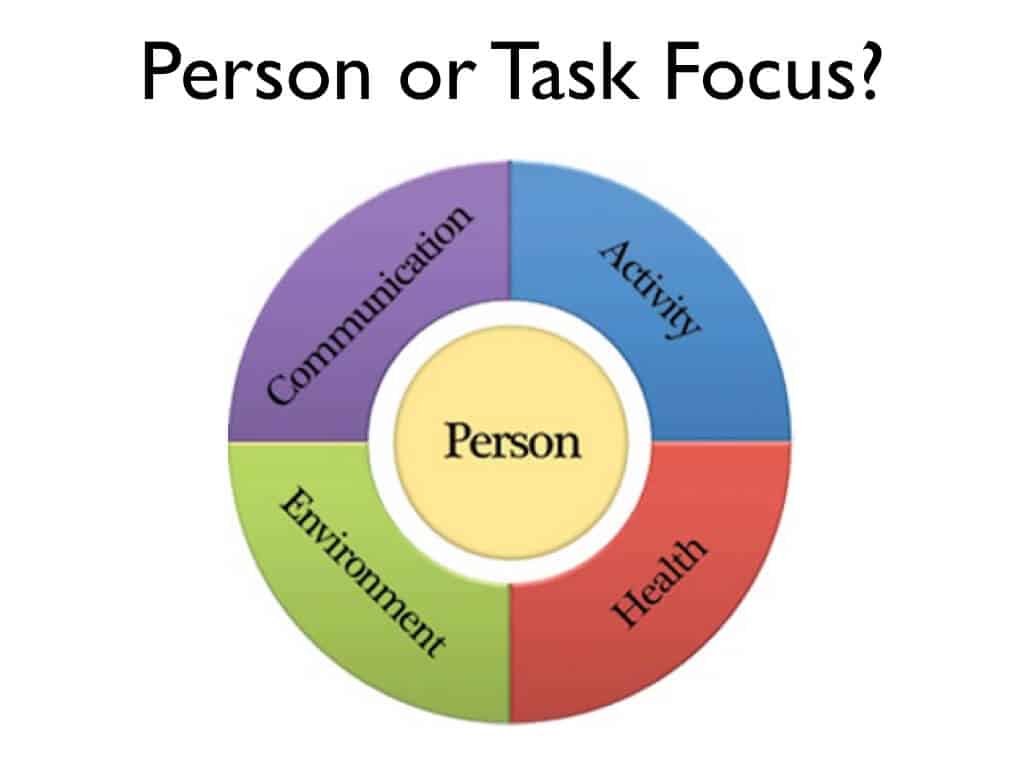
Emergency department staff learn to switch off emotionally to keep working, which can leave a hard shell that patients read as coldness. The post explains that paradox and the graphic-novel exercises used in training.
Compassionate Connection: a key ingredient for NHS Conflict Resolution
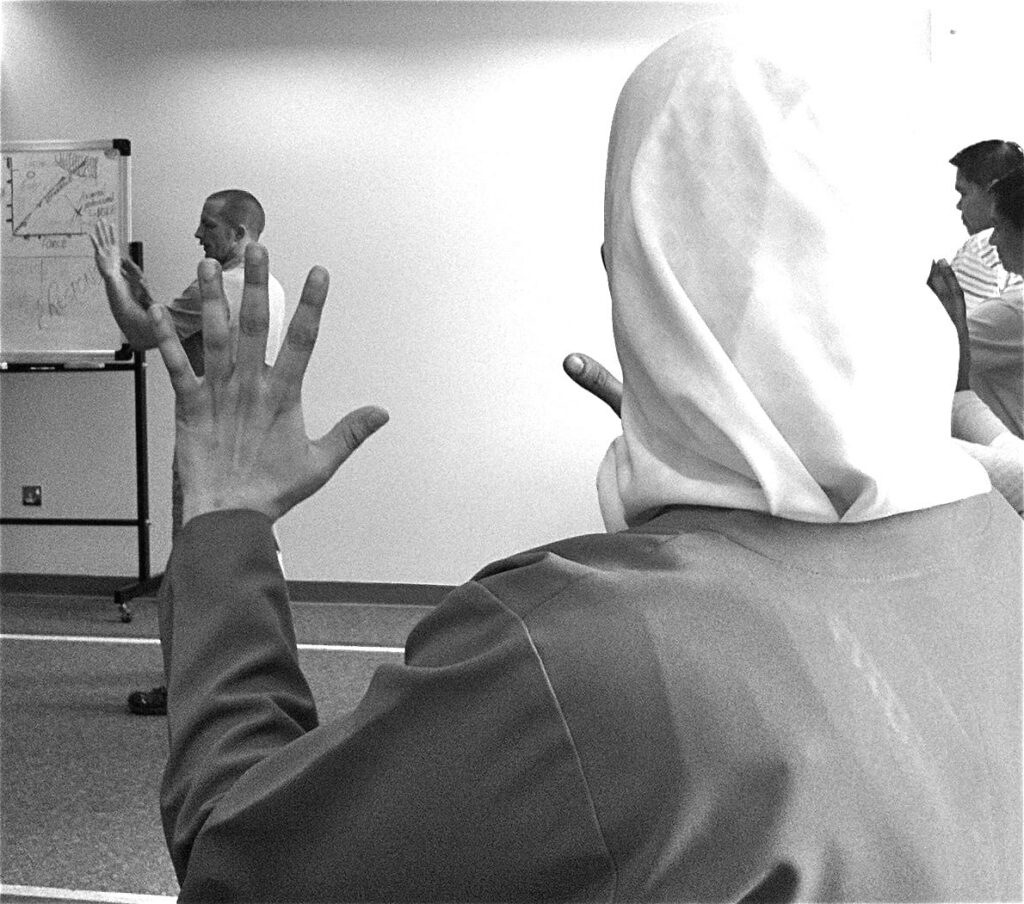
On creating compassionate connection with patients, the post recommends the Showtime Mindset, a routine of posture, breathing, body language and self-coaching before a difficult encounter, plus naming and reframing personal triggers.
Emergency Department Conflict Resolution
The chain of encounters runs from arrival and triage to the bays, and this piece on emergency department conflict sets out triggers, waiting room pressures and how managing expectations can prevent conflict.
Restraint Reduction Outcomes

A trainer team rolled out its four-day course across a learning disability and mental health service. Time spent in restraint halved within months, with wall stabilisations and Safety Pods used instead of floor holding.
Breakaway training in care

Old breakaway training in care dated from the 1960s and was taught like a martial arts class, unlike real violence. The post describes a modern instinctive approach and its effect on restraint numbers.
social contract in restraint reduction

Ambiguous social contracts let behaviour drift. The post uses the washout effect to explain how care cultures decay without modelled standards, citing Whorlton Hall and Winterbourne View, and sets out the programme’s response.
Training needs analysis for restraint reduction
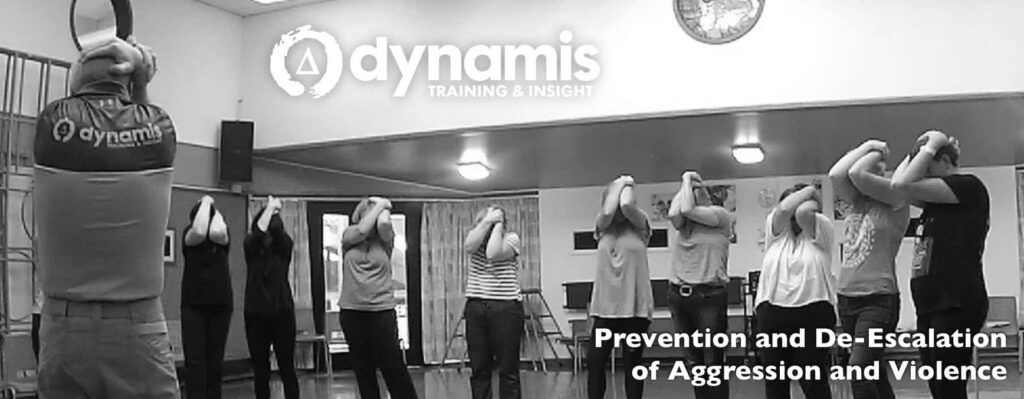
An excerpt from an 18-page case study on restraint reduction, describing how training needs were gathered. It covers staff surveys, incident data, board interviews, and the aim of reducing floor-based restraint.
Restraint Reduction Trainer Development
Inspection pressure over frequent prone restraints at a Scottish learning disability service prompted a trainer development programme for three care workers, described here alongside the culture of fear created by earlier MVA training.
Spitting attacks: advice about your response

Spitting or deliberate coughing is treated as assault, and the post asks whether you or a colleague would keep composure. It covers the Ethical Intervention Principle and a pre-planned team response.
A Tour of our Online Training system for Conflict Management and Physical Interventions
The tour video walks through the blended online course, which covers crisis behaviour, duty of care, guidance and reasonable force before a trainer visits for practical sessions on verbal de-escalation and physical tactics.