
Expert witness services: clear, independent evidence that helps the court

Expert witness work is not advocacy. The post explains that an expert’s duty runs to the court rather than whoever instructs them, and what a reasoned report should cover in restraint and use-of-force cases.
Edged weapon training for survival: prevention, distance and realistic decision-making

Edged weapon incidents are rare and severe. For most staff the priorities are recognition, distance, barriers, escape and calling police, not disarming, and walking away is managing risk.
Breakaway training: what it is, what it is not, and what your team actually needs

Breakaway is disengagement, not restraint or control. The post sets out what it should cover, from warning signs before contact to simple technique, setting-specific practice, what happens after release and the legal considerations.
Improving safety for Lone Workers: Three Considerations For Employers

Three things employers can do for lone workers, drawn from a Dynamis training session. Treat risk assessments as more than a formality, share information promptly, and put post-incident procedures and aftercare in place.
The Benefits of Personal Safety Training for Real Estate and Letting Agents

Explaining why estate and letting agents, who often work alone and meet strangers in unfamiliar properties, benefit from personal safety training, and what that training covers around awareness, communication and conflict resolution.
A stalker at work what can we do?

An employee was stalked and her car vandalised, and the perpetrator later reached her workplace. The post covers what the person should know, the training that helps and how organisations can support them.
What is Mental Health Secure Escort Training?
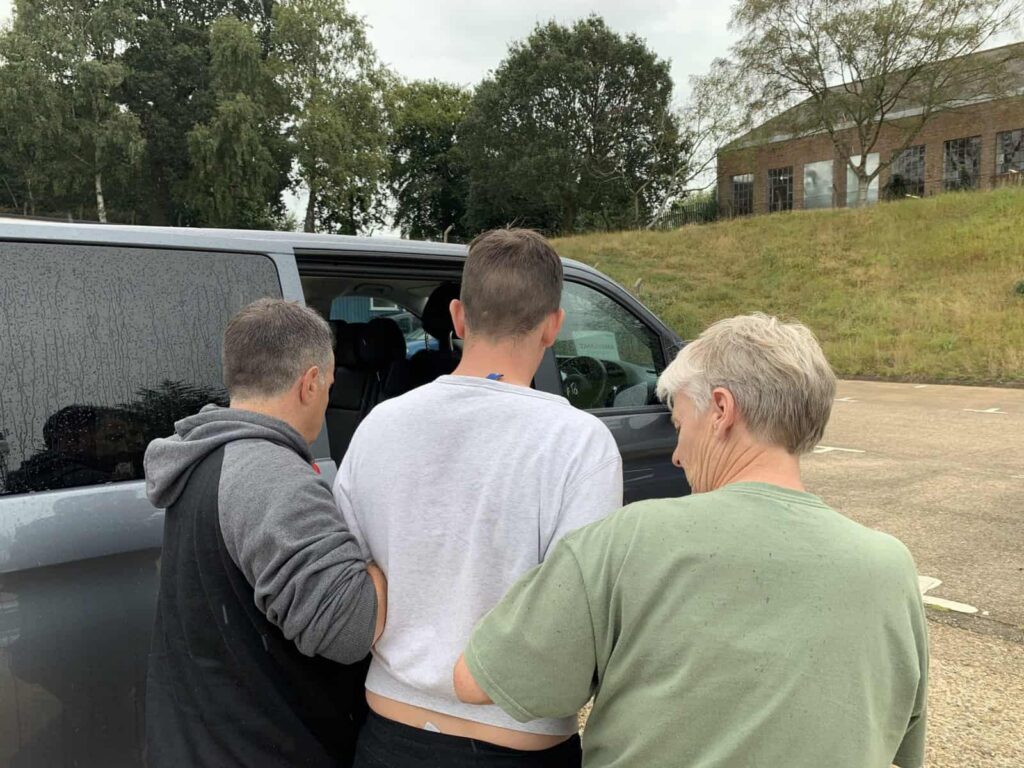
Zeb Glover, a senior trainer, talks through mental health secure escort work in this interview. It covers patient transport, sectioned and informal patients, why teams need aggression training, and what scenario practice adds.
Personal Safety for Housing, Social Work and Probation teams

Vanessa O’Dea interviews Alex Hunter about a two-day course for Probation Housing Officers, covering risk assessment, information sharing, conflict management and scenario work for staff who visit people at home.
Your Breakaway Training Day needs to have LOTS of practice time

Some breakaway courses spend only 90 minutes of a whole day practising. It argues time on task is a proxy for learning and that verbal skills need practice too, citing Professor Chris Cushion.
Conflict Resolution across Cultures

Courses in the UAE and Qatar inform this post on why Arab communication styles can look confrontational to Western eyes. Five themes follow, covering honour, family, hospitality, seniority and refusing directly.