
The 9 Attitudes are back in the UK
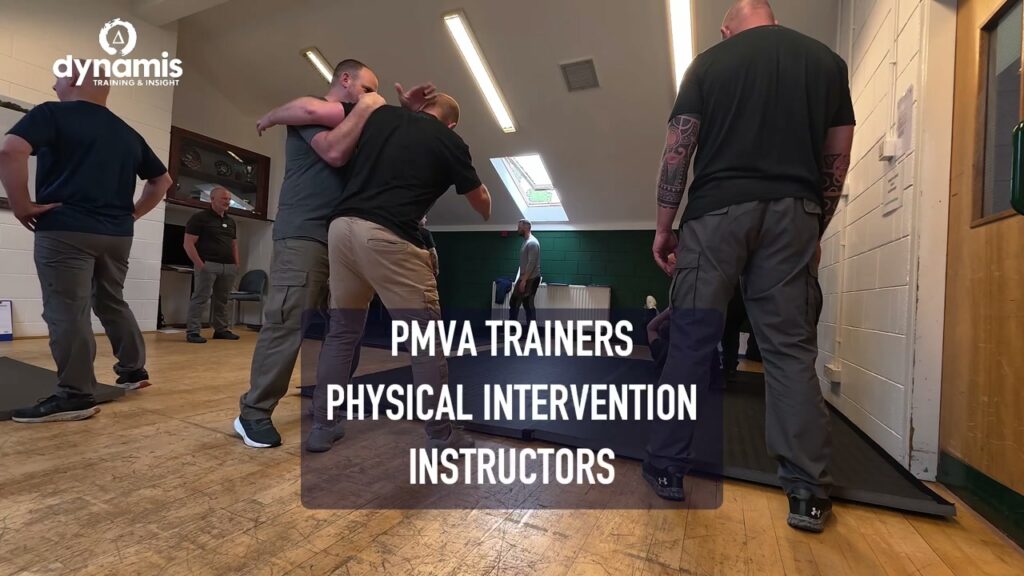
Dynamis reworked the 9 Attitudes instructor course and runs it at Loughborough from 24 to 26 November 2026. Three days cover attitudes, high-risk control tactics and edged weapon protection, with places limited to 14.
Survival Before Control: Notes From a Trainer CPD

Notes from a three-day Functional Edge System CPD for experienced trainers, layering pressure so skills work against movement, fatigue and surprise. The post explains the survival before control idea and what participants took away.
Chaos, Control then Resolution: Lessons from Three Days of Functional Skills for PPST and PMVA Trainers

Three days of Functional Edge System CPD in Penrith brought trainers from policing, healthcare, care, security and schools together to practise the messy middle of a confrontation rather than the clean start and finish.
Conflict in a Childrens Hospital

Gerard O’Dea is interviewed about a train-the-trainer programme for a children’s hospital, describing how surveys of staff shaped the scenarios built for porters, reception, security and clinical teams.
NHS Trainers Shocked by gains from Scenario Approach
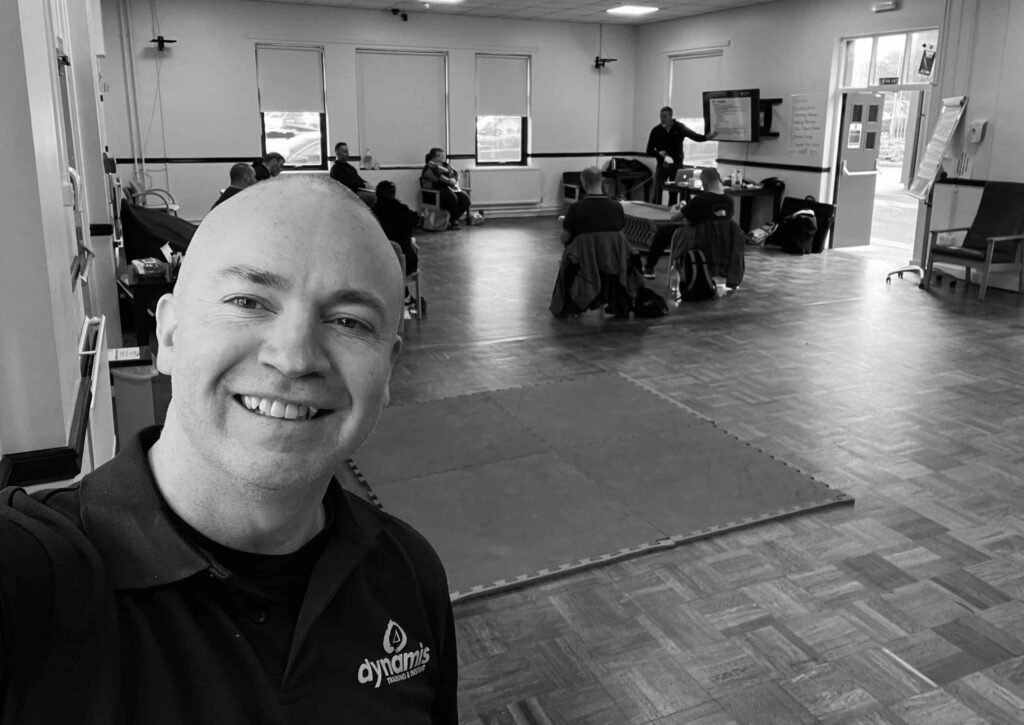
Gerard O’Dea and Professor Chris Cushion introduced the SCENA scenario-driven approach to experienced NHS trainers in Scotland in March 2022, aiming for more engaging sessions and better transfer of skills to the ward.
Restraint Reduction Outcomes

A trainer team rolled out its four-day course across a learning disability and mental health service. Time spent in restraint halved within months, with wall stabilisations and Safety Pods used instead of floor holding.
Breakaway training in care

Old breakaway training in care dated from the 1960s and was taught like a martial arts class, unlike real violence. The post describes a modern instinctive approach and its effect on restraint numbers.
Becoming an effective PMVA Trainer
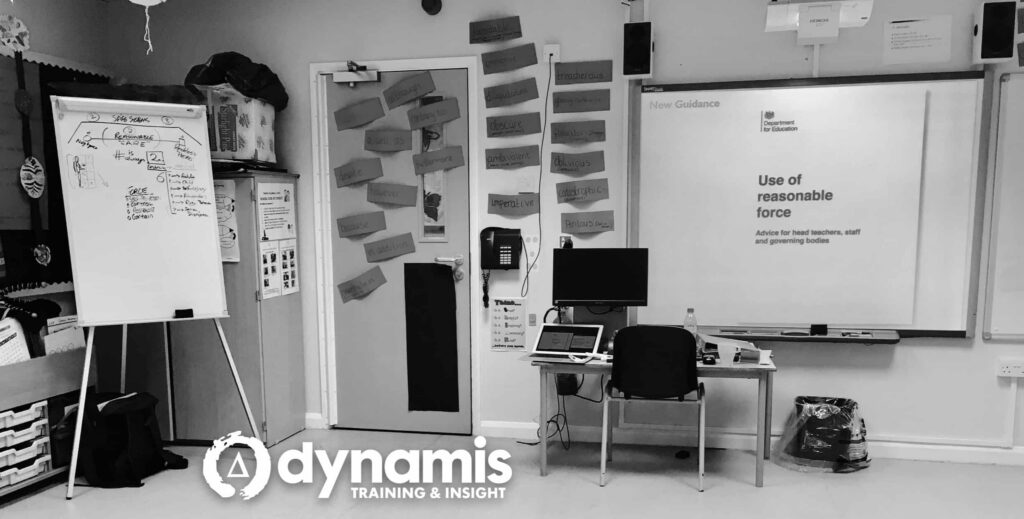
When one service wanted to change its culture, it chose three senior carers to lead the training. The post describes the needs analysis behind their programme and the scenarios built from it.
social contract in restraint reduction

Ambiguous social contracts let behaviour drift. The post uses the washout effect to explain how care cultures decay without modelled standards, citing Whorlton Hall and Winterbourne View, and sets out the programme’s response.
Training needs analysis for restraint reduction
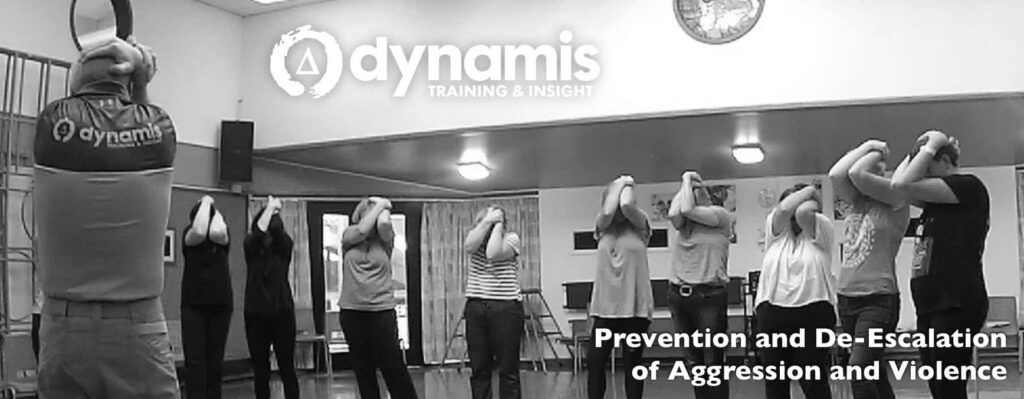
An excerpt from an 18-page case study on restraint reduction, describing how training needs were gathered. It covers staff surveys, incident data, board interviews, and the aim of reducing floor-based restraint.