
The potential for actual management of aggression
The Potential for Actual Management of Aggression This post is about conflict management | personal safety | dynamis training. Twice in this article from the Herald newspaper, members of staff at a facility in Ireland mention the specific training system they are trained in — presumably for their own personal safety, for the control of […]
How to call for help as a lone worker
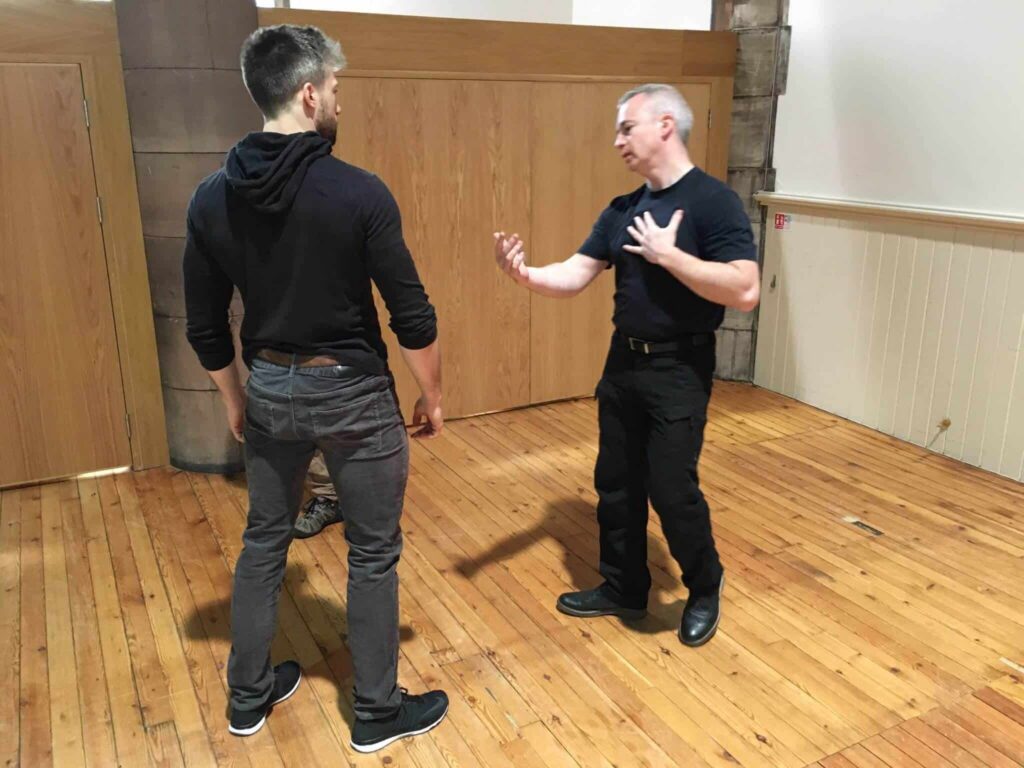
Great Lone Worker Safety Devices — Are They Compatible with the Human Operating System? This post is about conflict management | personal safety | dynamis training. Lone worker safety devices have proliferated in the past decade, but are they really useful in the most crucial of moments? The question isn’t whether the technology works — […]
Training for Restraint:: Things to avoid doing #5
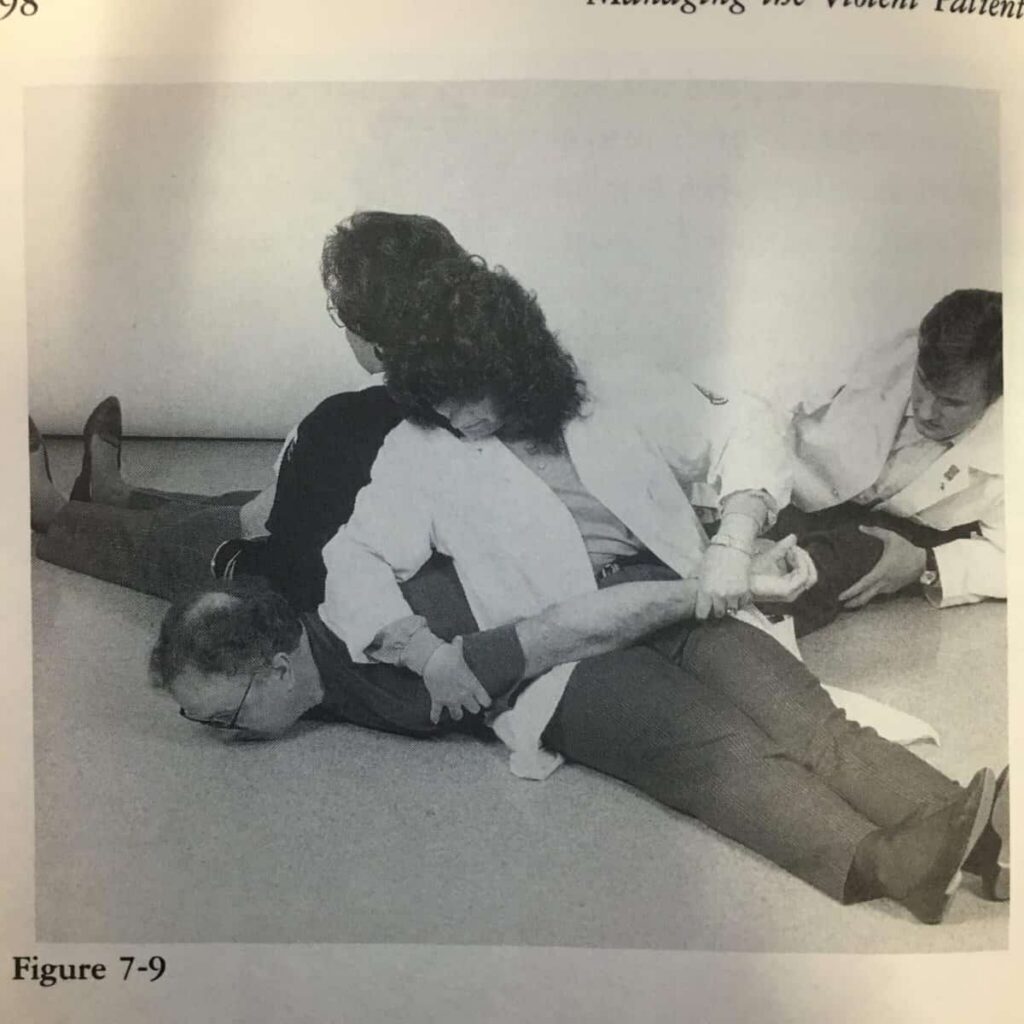
This post is about conflict management | personal safety | dynamis training. The technique being demonstrated in the picture accompanying this post is promoted as a way for controlling violent patients in a hospital setting. Unfortunately, it is potentially a deadly restraint — and its use might go far beyond control and extend to culpable […]
Training for Restraint:: Things to avoid doing #4
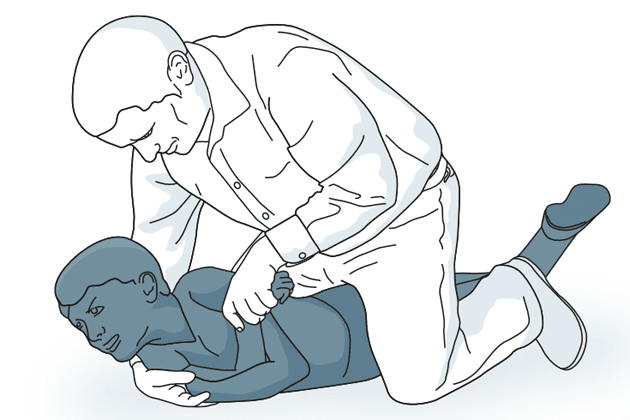
Restraint training dangers are easiest to see in the photographs trainers rarely show. The accompanying images in this post show something that has been referred to as a “Therapeutic Floor Hold” in some training materials. It constitutes, in our view, inappropriate restraint. The (usually) vulnerable person being restrained is first taken to the floor — […]
Training for Restraint:: Things to avoid doing #3
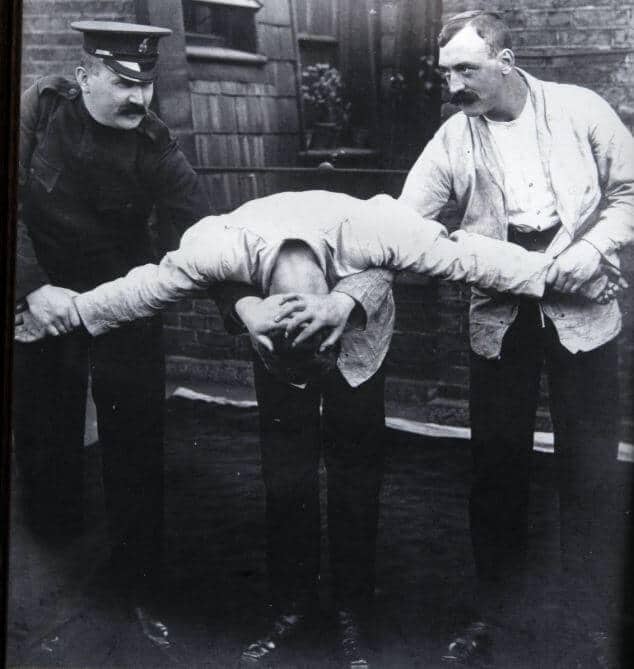
Restraint training mistakes tend to repeat, and a 1907 photograph shows one of them clearly. The image accompanying this post was apparently taken in 1907 of the City of London Police learning or demonstrating restraint techniques. They are clearly wearing jackets which suggest that there may have been input from some Japanese martial arts into […]
Training for Restraint:: Things to avoid doing #1
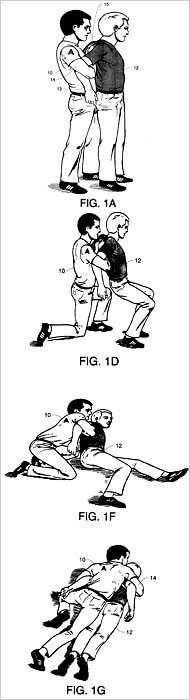
A Restraint Procedure Under Scrutiny This post is about conflict management | personal safety | dynamis training. This image was first published in an article about the types of physical restraint practices being carried out on children in schools in the USA. What it reveals is worth examining closely — because there are a large […]
Restraint Training: Control Phase and Restraint Phase Differences
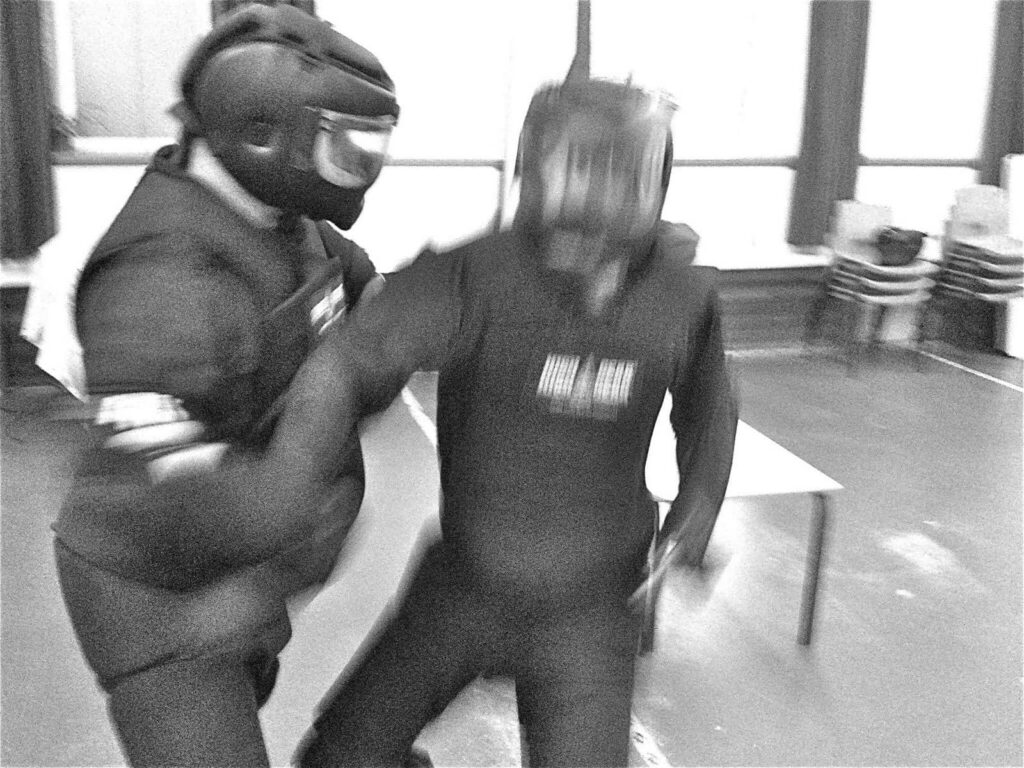
In evidence for the Sean Rigg enquiry, an ACPO expert on Self-Defence Control and Arrest procedures described his opinion of the stages involved in securing an adult-sized subject who is violent and resisting arrest. He talks about two phases of an altercation with a subtle distinction between them. Firstly the “control” phase, followed by the […]
Restraint Training: Floor-Based Restraint Controversy
This post is about conflict management | personal safety | dynamis training. In a call to ban prone restraint, a leading mental health charity has suggested that the use of prone restraint is degrading, humiliating and has no place in a civilised modern healthcare system. The charity also linked prone restraint to numerous deaths which […]
We do Fire Drills, not Fire Talks, for performance outside the classroom

Emotionally safe performance driven instruction is a key component of Vistelar’s training methodology. What does that mean? First, we want our training to be emotionally safe, where students can feel safe in making mistakes and learning. Then, it has to be performance driven so that students know how to perform something, rather than just understanding […]
Punch Drunk Restraint Training Design
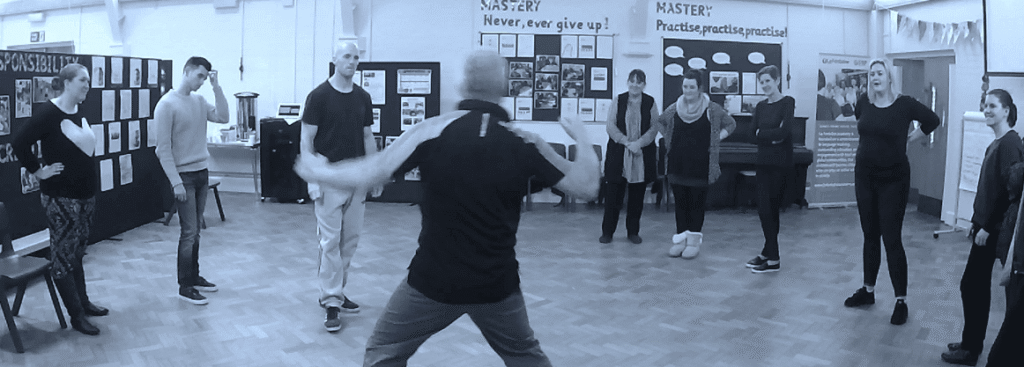
What Stimulus Are You Preparing Your Staff to Respond To? One of the key questions we ask our colleagues in the field of training, as we visit with them to share our approach, is: “What stimulus are you preparing your staff to respond to?” The question is somewhat oblique, but it focuses on the heart […]