
Restraint Reduction in Healthcare — Why NHS Trusts Are Changing Approach | Dynamis

Restraint Reduction in Healthcare: Why NHS Trusts Are Changing Their Approach This post is about restraint reduction healthcare. Restraint reduction is sometimes misunderstood. It does not mean pretending restraint will never be needed. It does not mean leaving staff exposed. It does not mean asking teams to manage serious risk with good intentions and no […]
PMVA Training UK — What It Is and Who Needs It | Dynamis

PMVA Training: What It Is, Who Needs It, and How to Choose a Provider This post is about pmva training uk —. PMVA stands for Prevention and Management of Violence and Aggression. That phrase matters because the first word is prevention. Too often, PMVA training is treated as if it only means physical intervention training. […]
NHS Advanced De-escalation Masterclass (ADM) — what it is, and what staff said afterwards
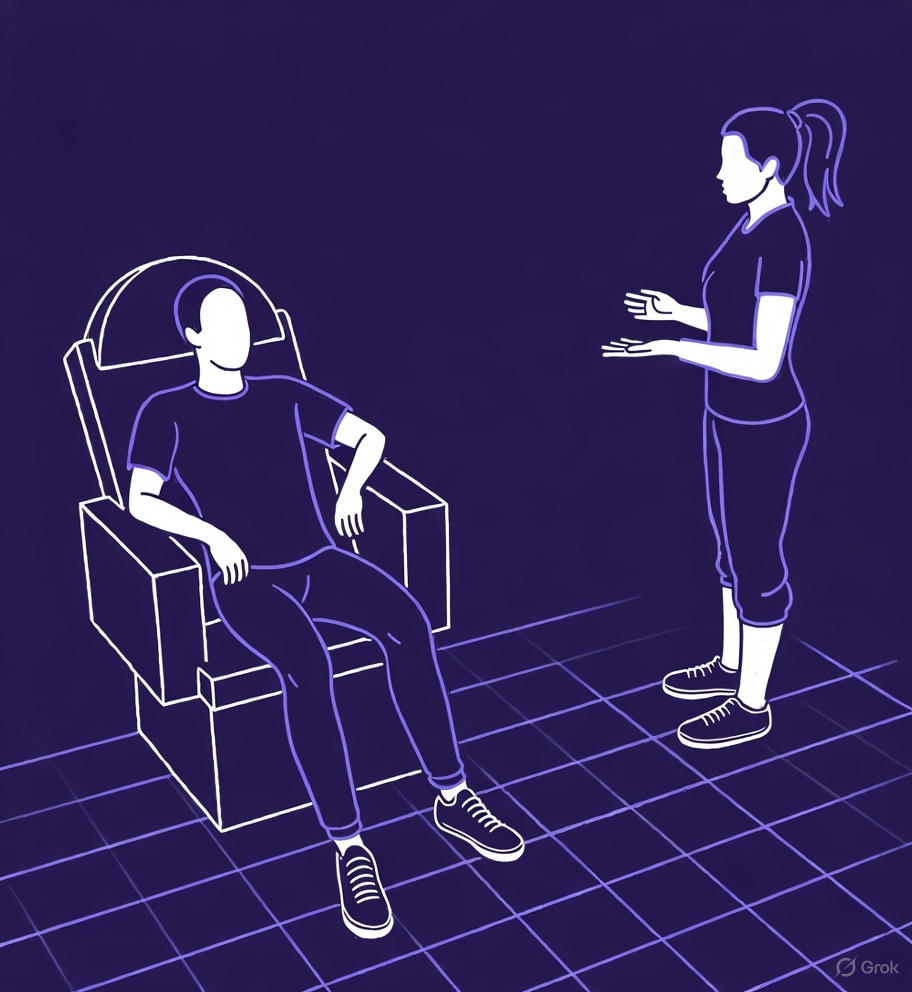
A specialist mental health ward does not need reminding that de-escalation matters. This NHS De-escalation Masterclass (ADM) is built around the first minute of agitation — the requests that land badly, the boundaries that feel like slights, the small steps into personal space that tip a conversation into something else. It is not a refresher […]
Lone Working Community Nursing: 3 Hidden Risks

Community nursing is one of those roles where the work looks calm on paper and messy in real life. You’re on your own, in someone else’s environment, trying to deliver care professionally while reading a room you’ve never been in before. Most visits are routine. Some aren’t. And the tricky part is that escalation in […]
NHS Trust project: what changed when the team trained for the ‘first minute’

This post is about conflict management, personal safety, and Dynamis training. The referral to a London trust wasn’t about “delivering training” in the abstract. It was about a real ward with real risk, and a team carrying the weight of that risk every shift. A specialist rehabilitation unit sits in that difficult middle ground: frailty, […]
NHS breakaway training: protecting staff while keeping care and dignity in view

This post is about nhs breakaway training. Breakaway training in the NHS has to hold two truths at the same time. Staff have the right to be safe at work. Patients are often distressed, unwell, confused, frightened, intoxicated, in pain, or experiencing a mental health crisis when incidents happen. Those two truths belong together. Staff […]
Resolve Conflict: Beginnings and Endings in NHS Conflict Resolution
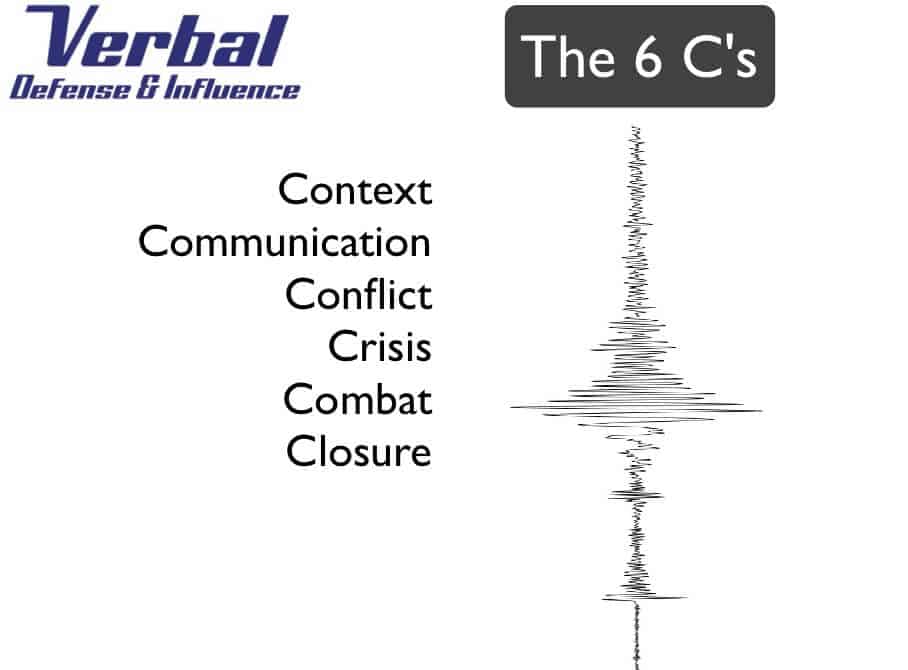
This post is about conflict management, personal safety, and Dynamis training. In looking at how to resolve conflict scenarios for the emergency department and the needs of the acute hospital staff teams, we made sure that staff were really successful in establishing initial contact with the people, by carefully being alert and decisive — noticing […]
Conflict Resolution across Cultures

This post is about conflict management, personal safety, and Dynamis training. Conflict Resolution across Cultures can be tricky. In our experience delivering conflict management courses in the UAE, Qatar and other GCC countries, we address issues of Conflict Resolution across Cultures. For example, the Arab communication style is known for containing exaggeration (through a fear […]
Healthcare Communication and Language Types in Conflict Resolution

This post is about conflict management, personal safety, and Dynamis training. As vehicles for our training content in Healthcare Communication for one Emergency Department team, I developed a set of common target scenarios from the information I gathered in talking with the management, the learning development team, and the staff themselves. We worked through these […]
Empathy in Conflict Resolution : The Paradox for NHS Teams
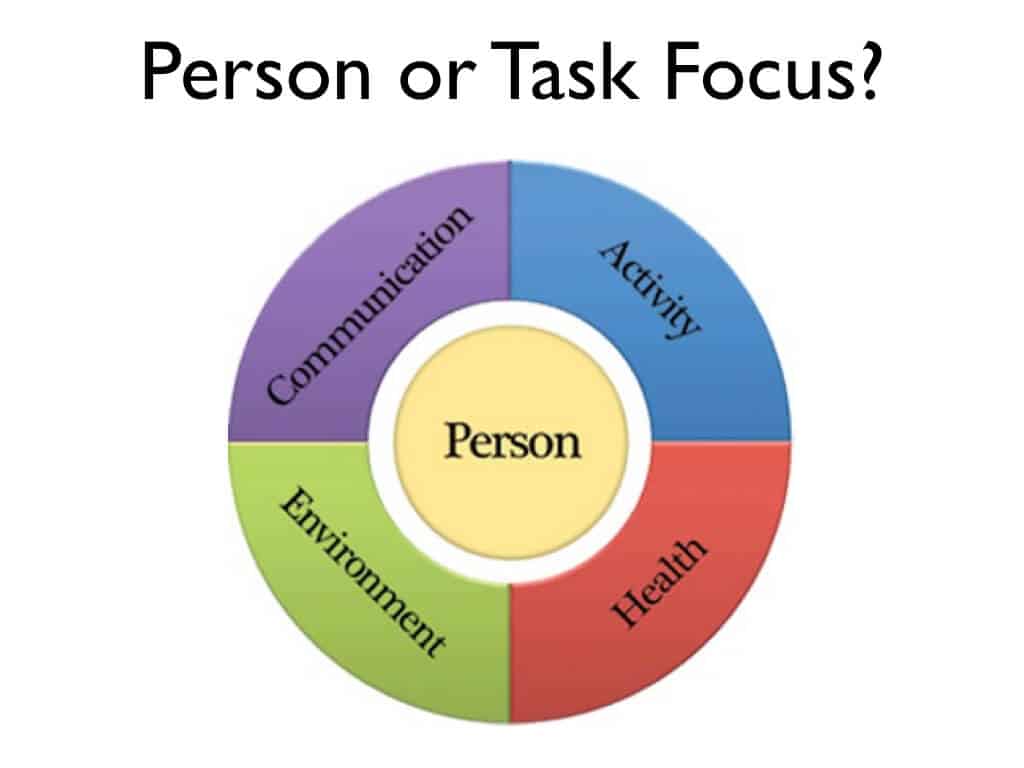
This post is about conflict management, personal safety, and Dynamis training. Empathy in Conflict Resolution is so important that we wanted healthcare teams to have an opportunity to explore their relationship with empathic listening and communication. One of the issues we know about in the emergency department is that, in order to operate functionally and […]