
NHS Security Officers Training Course successful
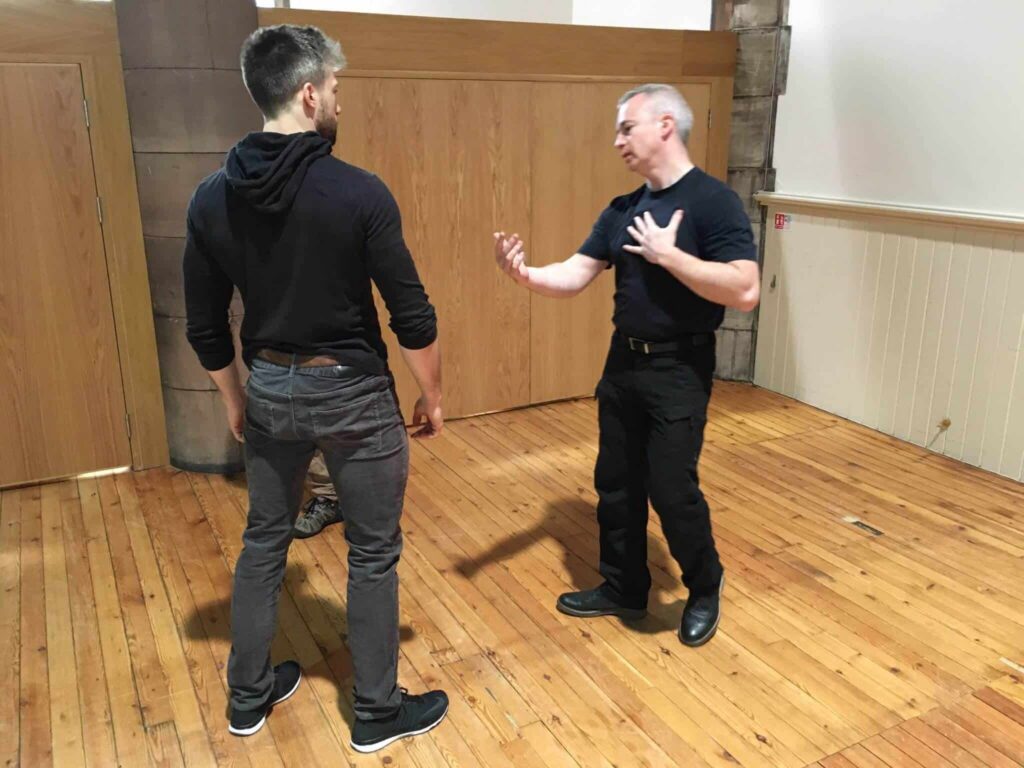
NHS security officer training sits where clinical care and physical risk meet. NHS security officer training: building the programme Dynamis Training offers a physical intervention programme for NHS Security Officers (HCSO) which provides: A fundamental legal underpinning, knowledge of the principles for effective decision-making. Appropriate physical skills which are adaptable across the spectrum of subject […]
Conflict Management Trainer Course in Nottingham this Week for Hospital Security
Gary and Gerard are setting up the training room in Nottingham, preparing to welcome 25 healthcare security professionals for an intensive one-week masterclass in conflict management for hospital violence reduction. This masterclass brings together frontline security staff from hospitals across the region, equipping them with practical de-escalation and conflict management skills tailored to the unique […]
Patient Care and Compassion in conflict resolution training
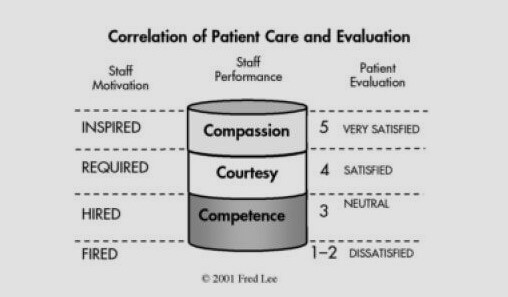
Patient care relies on compassion in conflict resolution – on the staff who are drawn to the profession of caring — and on their level of support, mentoring, leadership, and the environment in which they interact with patients, visitors, and each other. Good NHS conflict resolution training will always underline the value-base of the staff […]
Great Conflict Resolution training in the NHS would include this key idea
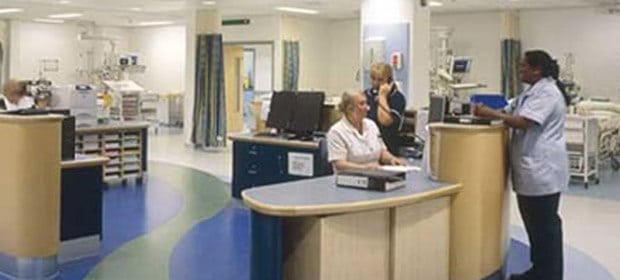
This post is about conflict management | personal safety | dynamis training. Consistency is a hall-mark of world-class service in any domain where frontline staff and their public interact. So where can we look for consistency in interactions between healthcare staff and their clients, patients and service users? The Power of Pre-Practiced Verbalisations As an […]
Healthcare Myth 2: If I Say Something It Will Make Things Worse

Silence always carries an unspoken message. When faced with disrespectful or threatening language, the silence of onlookers is loaded with meaning. Usually, their silence means they are afraid or unsure of what to do. Yet silence is how we often answer anti-social and even threatening behaviour in the public setting. Why Speaking Up Matters In […]
Healthcare Myth 1: Killing them with Kindness
Here is Vistelar Consultant Joel Lashley talking about some myths in healthcare, and in particular the belief that we need to present kindness at all times — or minimise our recognition of intimidating or disrespectful behaviour in our healthcare facilities. Interested in Becoming a VDI Instructor? You will have your chance at the first-ever VDI […]
Hospital Violence Reduction – Conflict Management in the ED
The common complaint at Emergency Departments the world over is that there is overcrowding and long uncertain waiting periods. As we have seen, this is compounded by the high expectations of some patients that they will be seen immediately and given the highest priority. Much of the challenging behaviour presented by relatives and patients […]
Restraint Training: The Biggest Mistake in Control Tactics
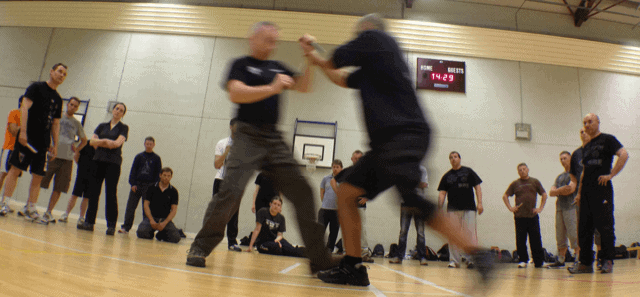
Coach Tony Torres says that the biggest problem in Control Tactics is that people try to exert control too soon in the confrontation timeline. The biggest problem in Control Tactics is that people try to exert control too soon in the confrontation timeline. The Three Phases of Any Confrontation In our 9 Attitudes methodology from […]
Hospital Violence Reduction – Internal Security Officers
Hospital Violence Reduction — Internal Security Officers Staff in one hospital we worked in reported to us that they had variable success in securing assistance from Security Guards when incidents become critical. We ourselves experienced communication difficulties — mainly a language barrier — with Security Guards several times during our visit, which may contribute to […]
Hospital Violence Reduction – Environment and Physical Design
Emergency departments face unique security challenges. The Joint Commission on Accreditation of Healthcare Organizations (JCAHO) measures a hospital’s environment of care partly by how well it “controls access to and egress from security-sensitive areas.” For trauma centres and emergency departments — where emotions run high and vulnerable patients converge — the physical environment itself becomes […]