
How to NOT end up on Panorama; decision making as culture.
Drawing on the Korean Air 8509 crash and care scandals like Winterbourne View, the post argues that everyday decisions harden into culture, and that teams must speak up and slow down.
Classroom Management for SEND Restraint Reduction
A special education teacher describes being told to manage challenging behaviour but rarely shown how. She explains how a step-by-step conflict management approach reduced restraint in her classroom and made more room for teaching.
Reducing Hospital Violence through Training

Jeff Mehring, who oversaw security across eight hospitals, describes moving his teams from reactive de-escalation to proactive non-escalation. Security contacts rose while physical interventions fell, because staff engaged earlier in situations.
Conflict Management Training for Transport
Fran Musci of Milwaukee County Transport describes how conflict management training gave new operators a framework where experience would otherwise take years, and how the Showtime mindset carried into their home lives.
Safeguarding Employees After Incidents
When a serious incident happens, attention goes to the event rather than the staff member. The course covers memory under stress, writing accurate statements and peer support afterwards.
What are key Values for Restraint Reduction?
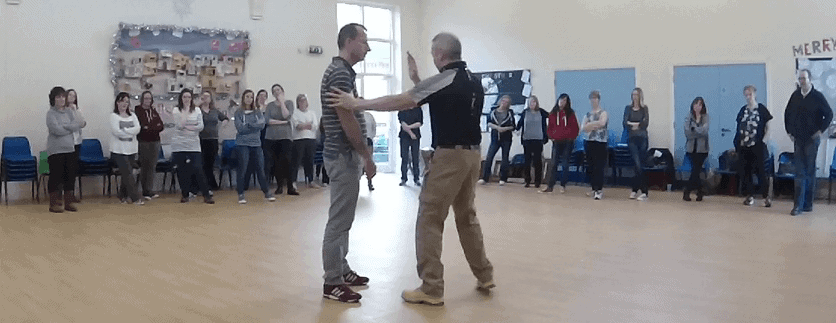
Restraint should be a last resort, and the post sets out the values behind that. Dignity and respect come first, then the five communication maxims and social contracts that reduce the need for restriction.
Hospital Violence Reduction – Internal Security Officers
Staff at one hospital reported variable success in getting help from security guards. The post sets out why outsourced guards, contractually barred from physical intervention, differ from nursing staff in six ways.
Care Home Safe Holding: Preventing Stress-Related Behaviours in Care of Older People
A guide to preventing stress-related behaviours in dementia care, from reading non-verbal signals and a ten-step list of de-escalation habits, to legal duties on employers, plus care planning and person-centred care.