
Chaos, Control then Resolution: Lessons from Three Days of Functional Skills for PPST and PMVA Trainers

Three days of Functional Edge System CPD in Penrith brought trainers from policing, healthcare, care, security and schools together to practise the messy middle of a confrontation rather than the clean start and finish.
Safe holding: supportive care, clear judgement, and keeping dignity at the centre

A detailed guide to safe holding in care, separating supportive touch from restraint by purpose, force, duration and consent. It argues that training should build judgement and communication, so staff know when to stop.
How to NOT end up on Panorama; decision making as culture.
Drawing on the Korean Air 8509 crash and care scandals like Winterbourne View, the post argues that everyday decisions harden into culture, and that teams must speak up and slow down.
Is Officer Safety Training broken? If so, is there a way to fix it?
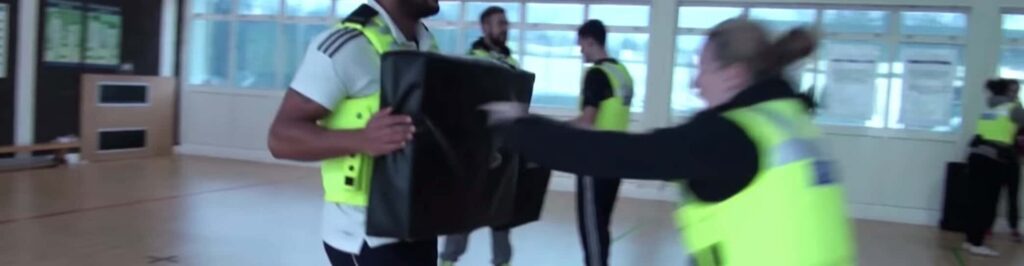
The post asks whether police officer safety training in the UK is broken, examines what is taught and how, questions how well its effectiveness is understood, and sets out ideas for fixing it.
Feedback on Distressed Behaviour In Dementia Care
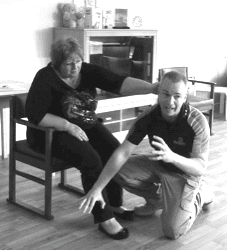
Staff feedback on a Managing Distressed Behaviour in Dementia Care course that analyses specific daily tasks, proximity, body language and pacing, then covers options when behaviour escalates, including last-resort safe holding.
Care Home Manager feedback: excellent and professional
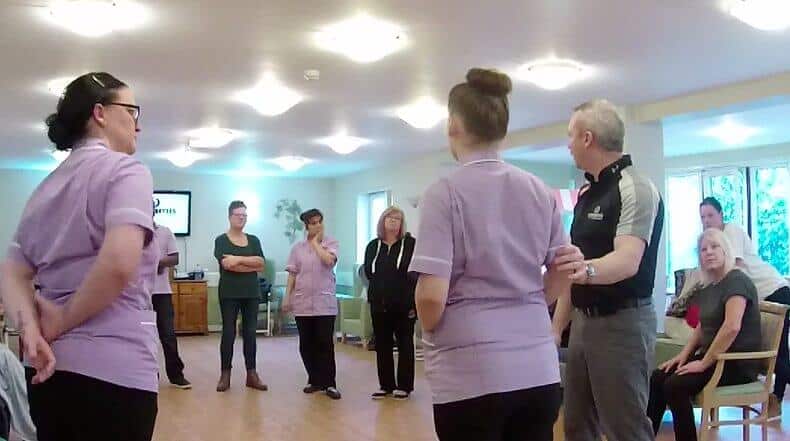
A nursing home manager in 2018 described the training as excellent and professional, delivered by scenario-based work for staff caring for older people. The post describes the blended Safe Caring and Safe Holding programme.
Making Decisions about Restraint in Dementia and Elderly Care
This Social Care Institute for Excellence video, used on Dynamis courses to prompt discussion, weighs the duty to care against protection so that restraint is minimised and residents keep safety and dignity.
Training for Restraint:: Things to avoid doing #4
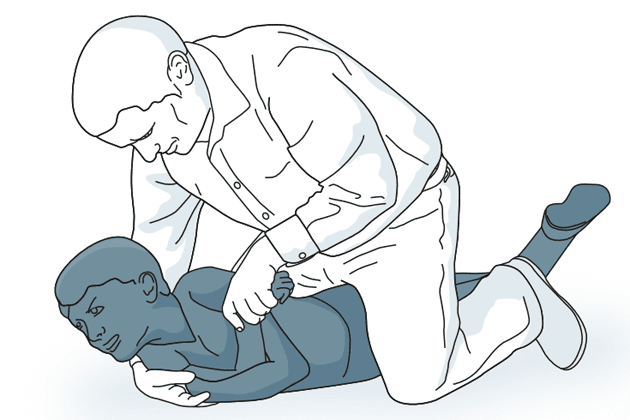
The fourth technique to avoid is a floor hold where staff lie bodyweight across a person’s folded arms. The post sets out the compression risks and why such holds should not be taught.
Training for Restraint:: Things to avoid doing #3
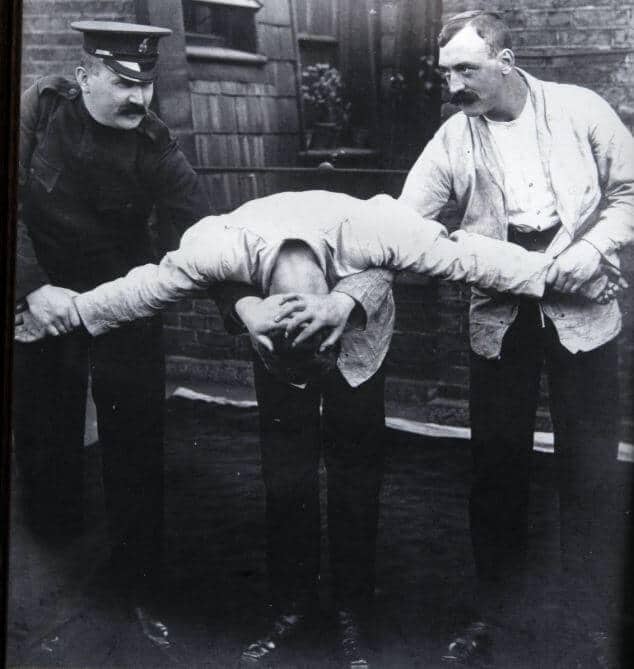
A 1907 photograph of City of London Police restraint shows two officers working together, which the post welcomes, alongside a technique that compresses the airway and raises the risk of positional asphyxia.
Restraint Training: Control Phase and Restraint Phase Differences
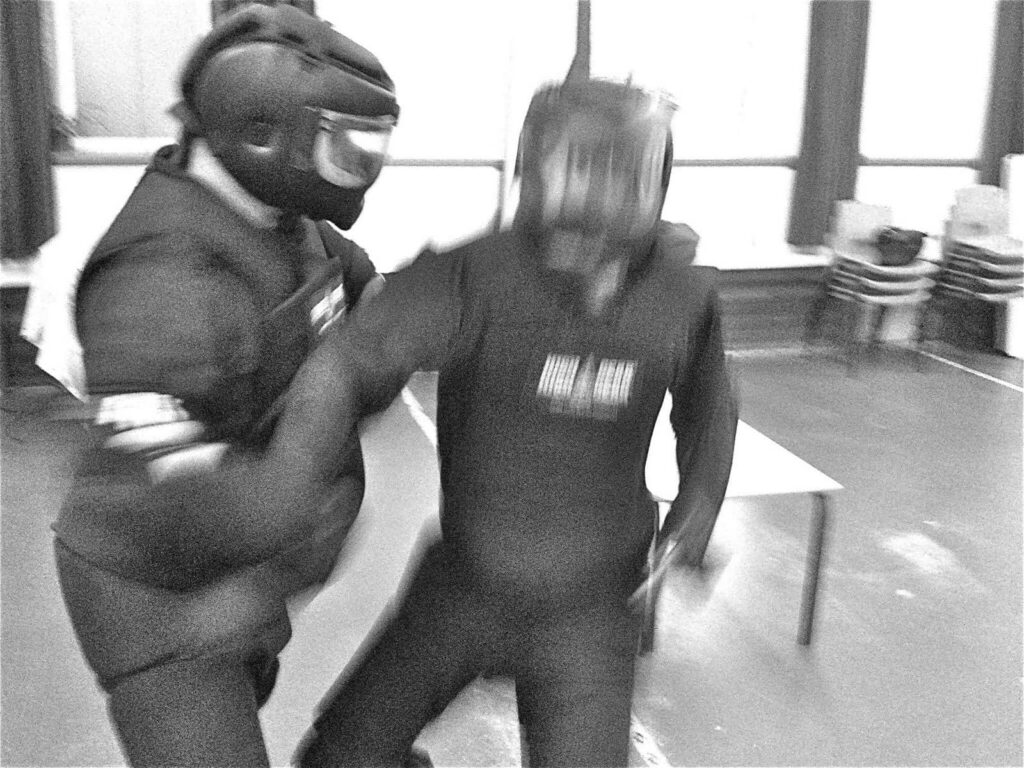
Evidence given at the Sean Rigg inquiry separated the control phase of an incident, unstructured, frenetic and dangerous, from the restraint phase. The post explains why chasing the hold too early raises risk.