
Prevention starts before the collision
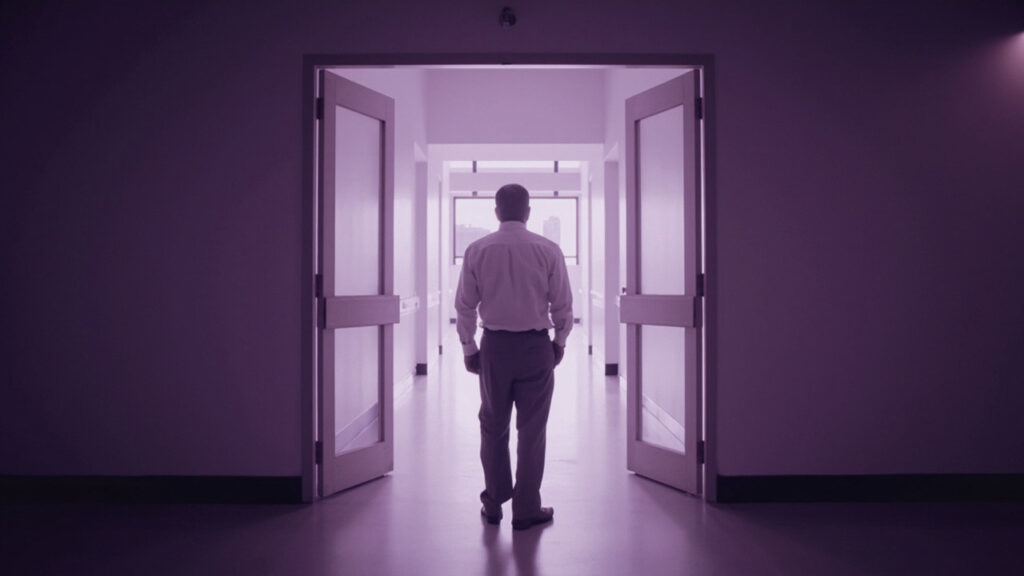
Most incidents give warning signs long before contact. Reading them early is the part of personal safety that training usually skips.
PMVA Training UK — What It Is and Who Needs It | Dynamis
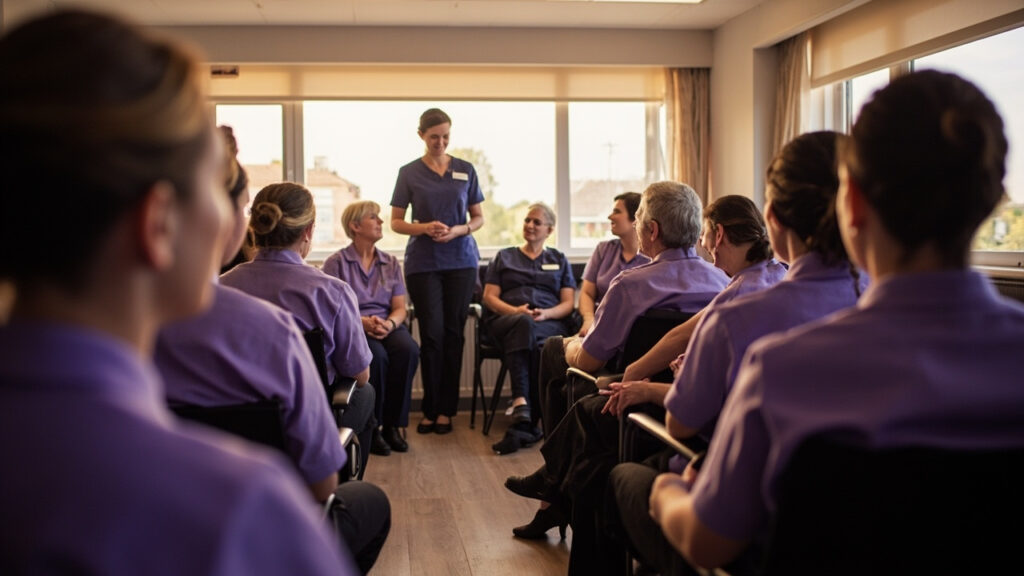
PMVA stands for prevention and management of violence and aggression, and the post argues that prevention comes first. It explains what programmes cover, where they are needed, and how to choose a provider.
Violence reduction initiatives and programmes: building systems that keep people safer

Violence reduction is ongoing work rather than a single project, the post argues, setting out why incidents recur in the same places and why training alone cannot fix a system that keeps producing risk.
Hospital violence reduction: international lessons for safer healthcare environments
Evidence from several countries suggests violence reduction works as a system issue rather than training alone, covering environmental design, communication, reporting, setting-specific training and support after incidents.
Conflict in a Childrens Hospital
Gerard O’Dea is interviewed about a train-the-trainer programme for a children’s hospital, describing how surveys of staff shaped the scenarios built for porters, reception, security and clinical teams.
Threat Detection
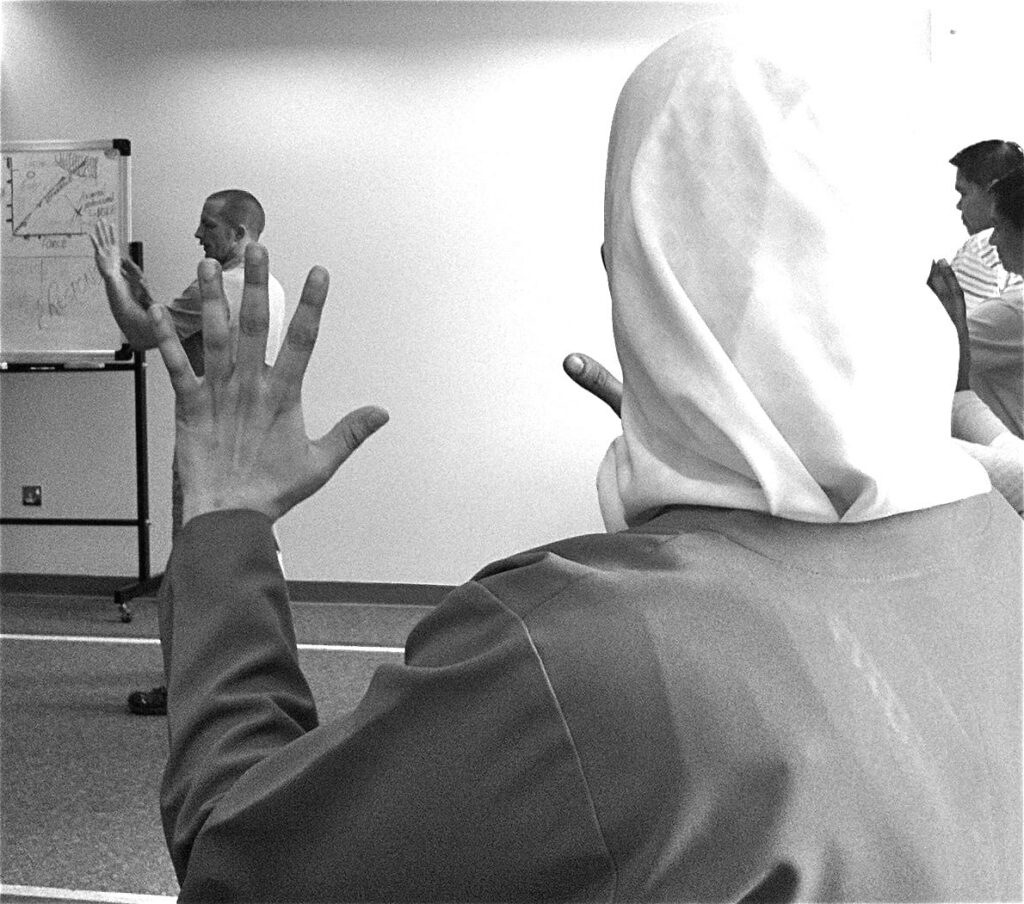
An argument that detection is the most important and most learnable part of personal safety. It explains baselines and anomalies, using the 2011 Japan tsunami and one coastal village as the teaching story.
Conflict Management Train-The-Trainer Masterclass from Dynamis powered by Vistelar
Over five days, this Vistelar train-the-trainer course certifies people to teach conflict management in their own organisation, covering non-escalation, de-escalation and crisis intervention at the point of impact rather than physical tactics.
Classroom Management for SEND Restraint Reduction
A special education teacher describes being told to manage challenging behaviour but rarely shown how. She explains how a step-by-step conflict management approach reduced restraint in her classroom and made more room for teaching.
Conflict Training to reduce complaints
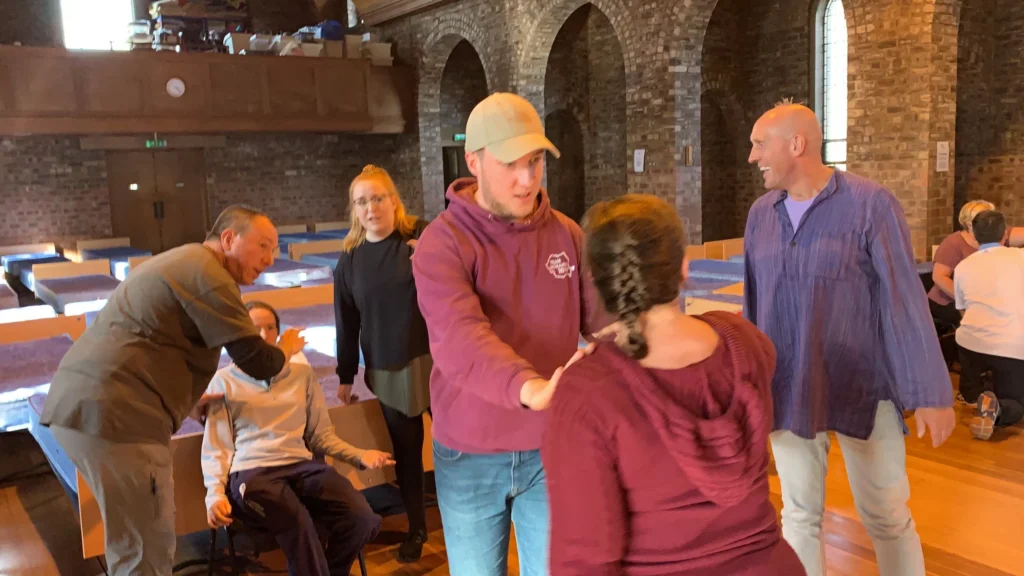
Chief Tom Poellot of the Cudahy Police Department in Wisconsin describes how conflict management training reduced citizen complaints and improved satisfaction. He also covers its use in the dispatch centre.
Conflict Management Training for Transport
Fran Musci of Milwaukee County Transport describes how conflict management training gave new operators a framework where experience would otherwise take years, and how the Showtime mindset carried into their home lives.